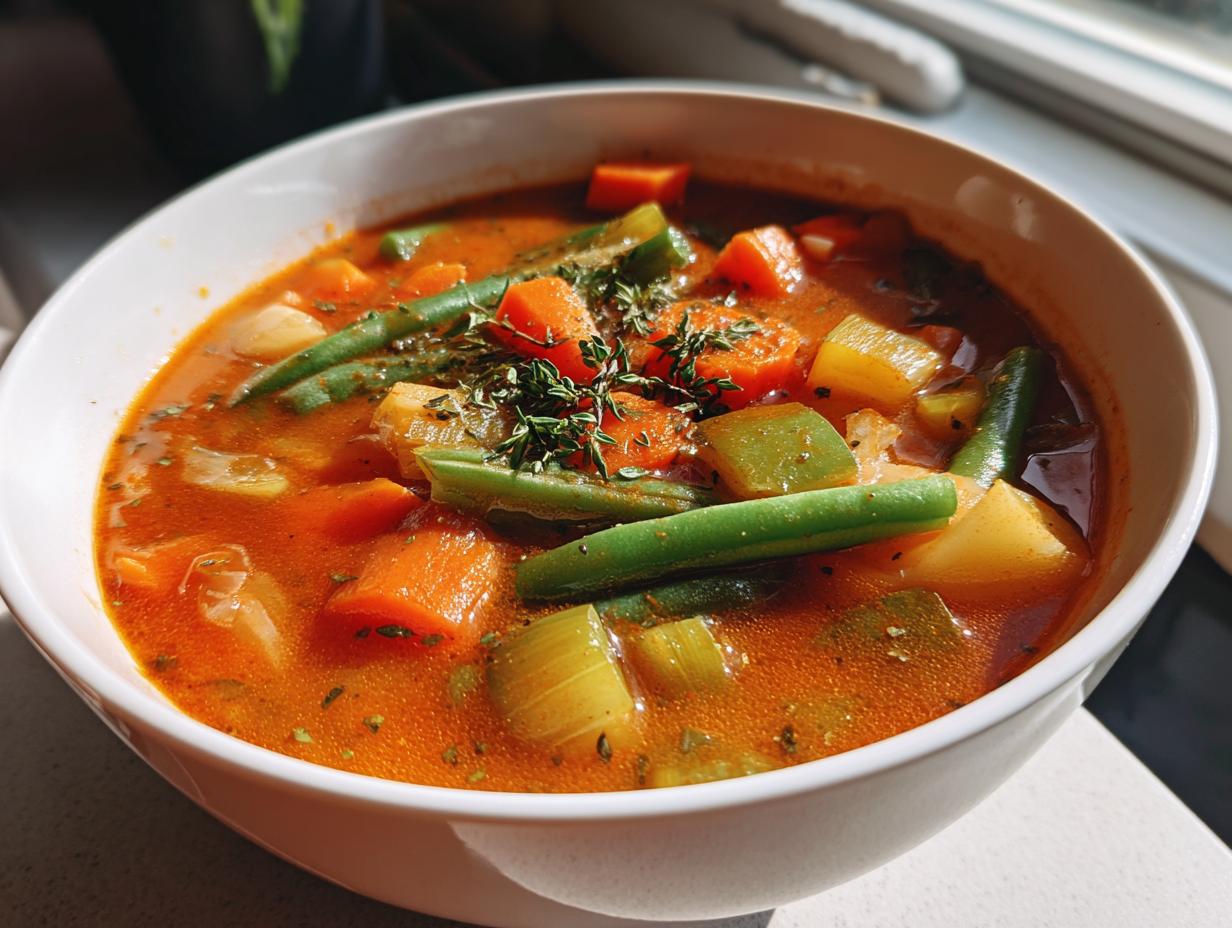
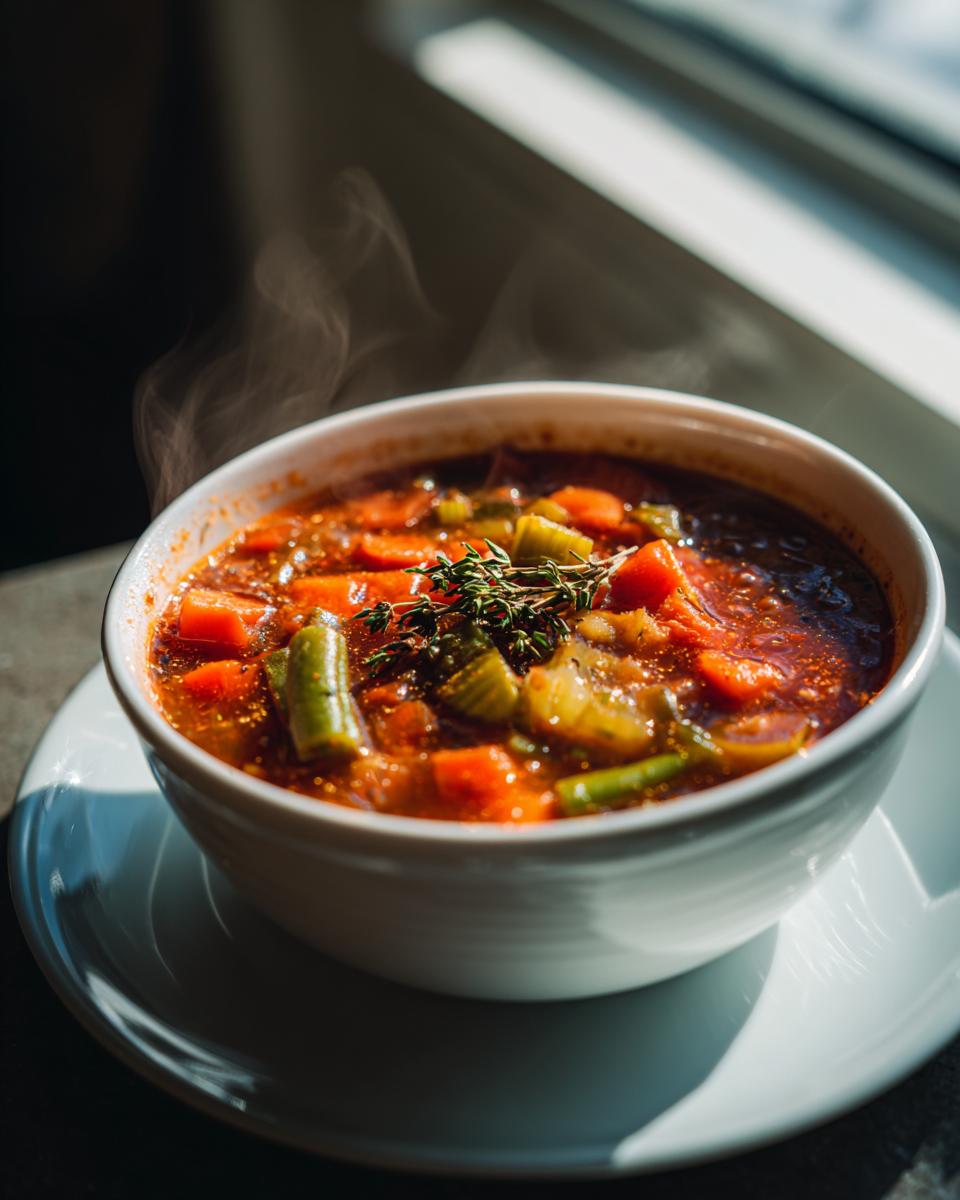
There’s nothing quite like curling up with a steaming bowl of winter soup when the cold wind howls outside. My love affair with winter soup recipes started during a particularly brutal snowstorm years ago—I was stuck inside with just some veggies and broth, and magic happened in that pot! This hearty, soul-warming dish has been my go-to comfort food ever since. What I love most is how simple ingredients transform into something extraordinary—just chop, simmer, and let those cozy aromas fill your kitchen. Whether you’re fighting off a chill or just craving some wholesome goodness, these winter soup recipes are like a warm hug in a bowl.
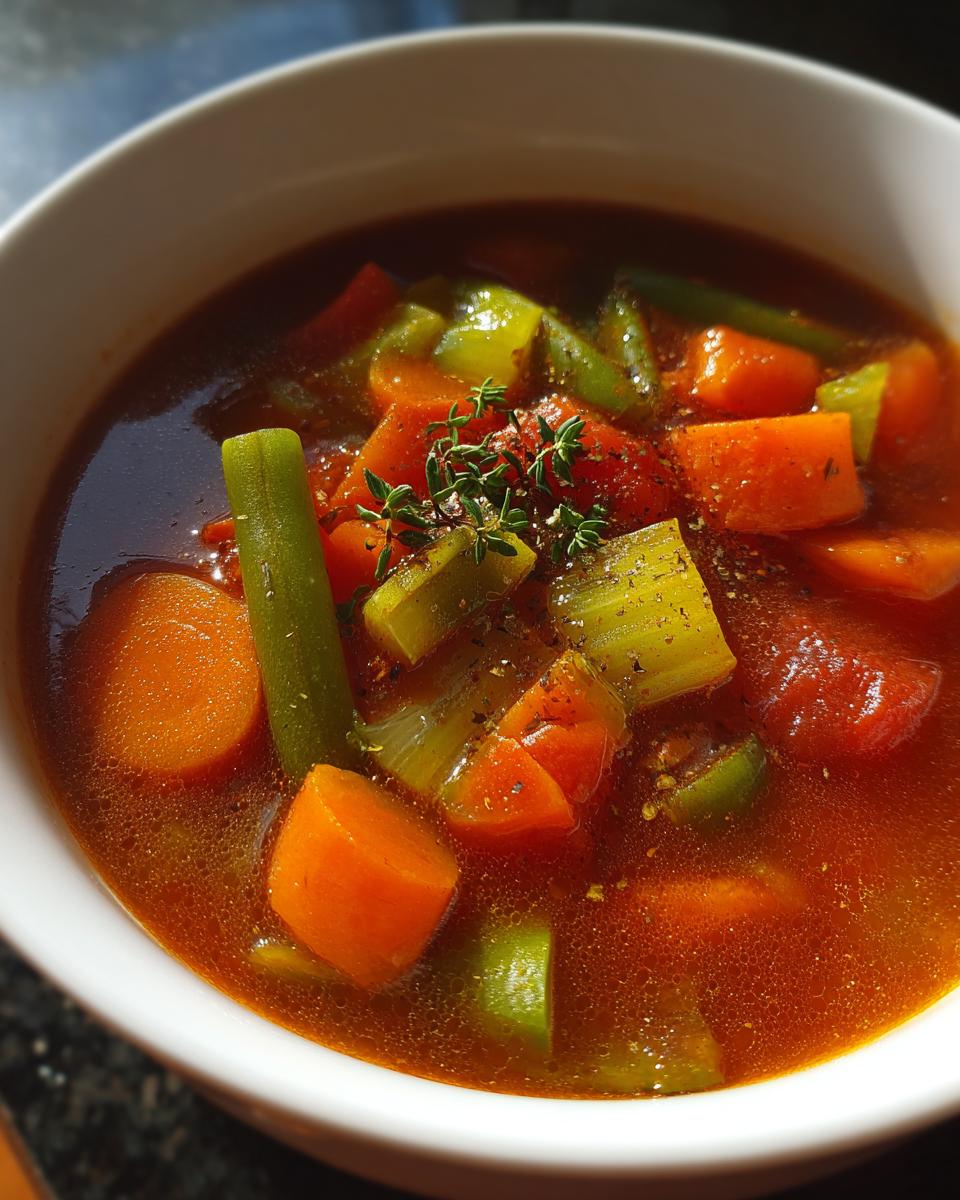
Why You’ll Love These Winter Soup Recipes
Trust me, once you try this winter soup recipe, it’ll become your cold-weather staple. Here’s why:
- Hearty comfort: Chock-full of veggies and simmered to perfection, it’s the ultimate belly-warmer after shoveling snow or just battling winter blues.
- Easy-peasy: Just chop, sauté, and let it bubble away while you cozy up with a book—minimal effort for maximum flavor.
- Nutrient-packed: All those colorful veggies mean you’re getting vitamins with every spoonful (my mom would approve!).
- Cold-day magic: That first steamy spoonful instantly thaws frozen fingers and noses—it’s like wrapping yourself in a edible blanket.
The best part? Your whole house will smell like a cozy cabin while it cooks. Pure winter bliss!
Ingredients for Winter Soup Recipes
Okay, let’s talk ingredients! This is where the magic starts—with simple, fresh stuff that turns into liquid gold. I always say the better your ingredients, the happier your soup will taste. Here’s what you’ll need to make my favorite winter warmer:
- The veggie dream team:
- 1 tbsp olive oil (the good stuff!)
- 1 onion, chopped (no need for perfect dicing—rustic chunks are fine)
- 2 carrots, chopped (I like leaving the skins on for extra nutrients)
- 2 celery stalks, chopped (those leafy tops add great flavor too)
- 3 cloves garlic, minced (more if you’re fighting off winter colds!)
- The liquid love:
- 4 cups vegetable broth (homemade if you’ve got it, but store-bought works too—check out my favorite dinner recipes for broth-making tips)
- 1 cup diced tomatoes (canned is perfect here—no shame in that game)
- The finishing touches:
- 1 cup green beans, trimmed and cut into 1-inch pieces (fresh or frozen both work)
- 1 tsp dried thyme (rub it between your fingers first to wake up the flavor)
- 1 tsp salt (adjust to taste—I always start with less)
- ½ tsp black pepper (freshly ground if you can)
See? Nothing fancy, just honest ingredients that come together beautifully. The best part is you can tweak this based on what’s in your fridge—that’s the beauty of winter soup recipes!
How to Make Winter Soup Recipes
Alright, soup lovers—let’s get cooking! This winter soup recipe couldn’t be simpler, but I’ve got some tricks to make sure yours turns out perfect every time. Follow these steps, and you’ll have a pot of cozy goodness ready in no time. Just grab your favorite wooden spoon and let’s do this!
Step 1: Sauté the Vegetables
First things first—heat that olive oil in your biggest pot over medium heat. You’ll know it’s ready when a tiny piece of onion sizzles right away. Toss in your chopped onions, carrots, and celery (I call this the “holy trinity” of soup-making). Stir them around with your wooden spoon until they start to soften—about 5 minutes. Don’t rush this step! Those softened veggies are building blocks for amazing flavor. You’ll see them turn slightly shiny and smell sweet—that’s when you know they’re ready.
Step 2: Add Garlic and Broth
Now for the magic! Push your veggies to one side and add the minced garlic right onto the hot pot bottom. Ohhh, that smell! Give it just 30 seconds to bloom—any longer and it might burn. Then pour in your vegetable broth and diced tomatoes. The sizzle when the liquid hits the pot is music to my ears! Crank the heat up to bring everything to a lively boil. This is when all those flavors start getting to know each other.
Step 3: Simmer the Soup
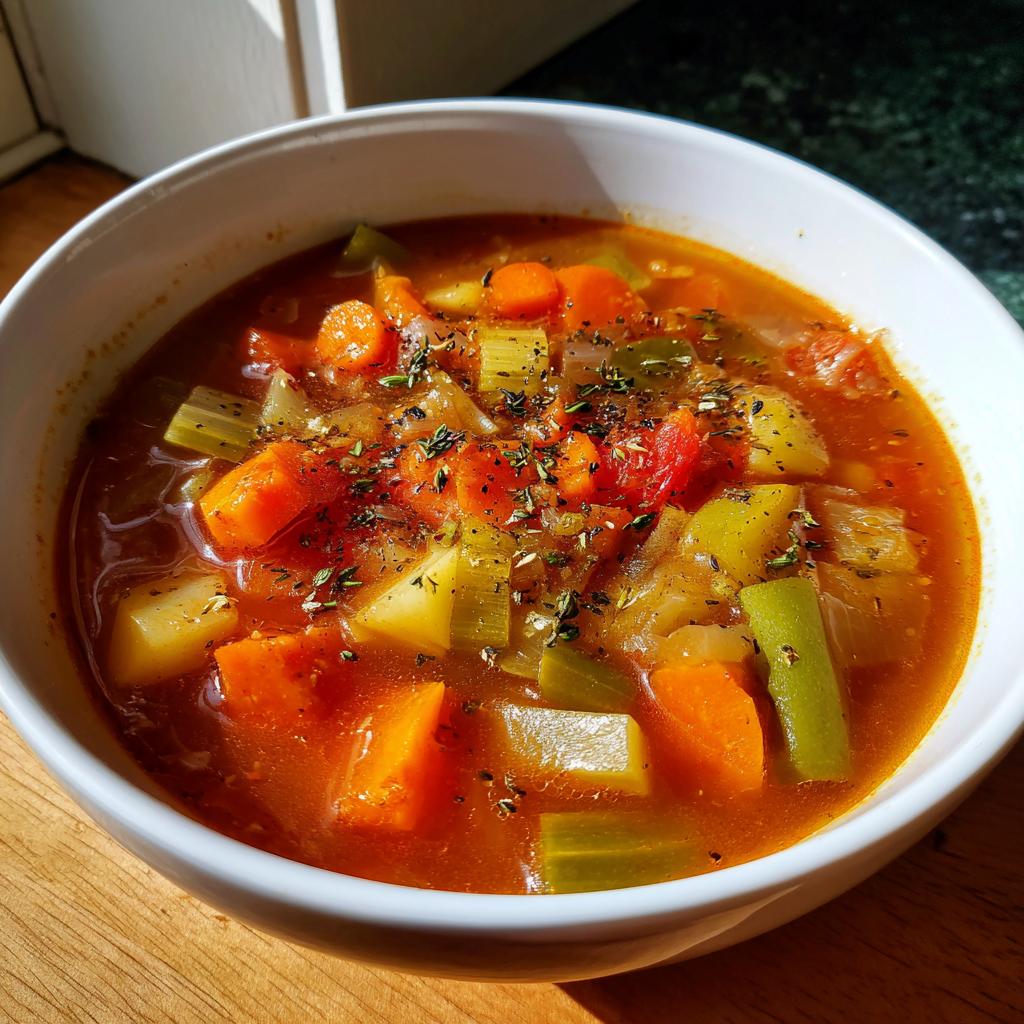
Time to relax! Toss in your green beans, thyme, salt, and pepper. Give it one good stir, then reduce the heat to low. Let it bubble gently—I call this the “happy simmer”—for about 20 minutes. This is when the magic really happens! The broth turns golden, the veggies become tender-but-not-mushy, and your whole kitchen smells like winter comfort. Peek in occasionally and give it a stir, but mostly just let it do its thing. Trust me—the wait is worth it!
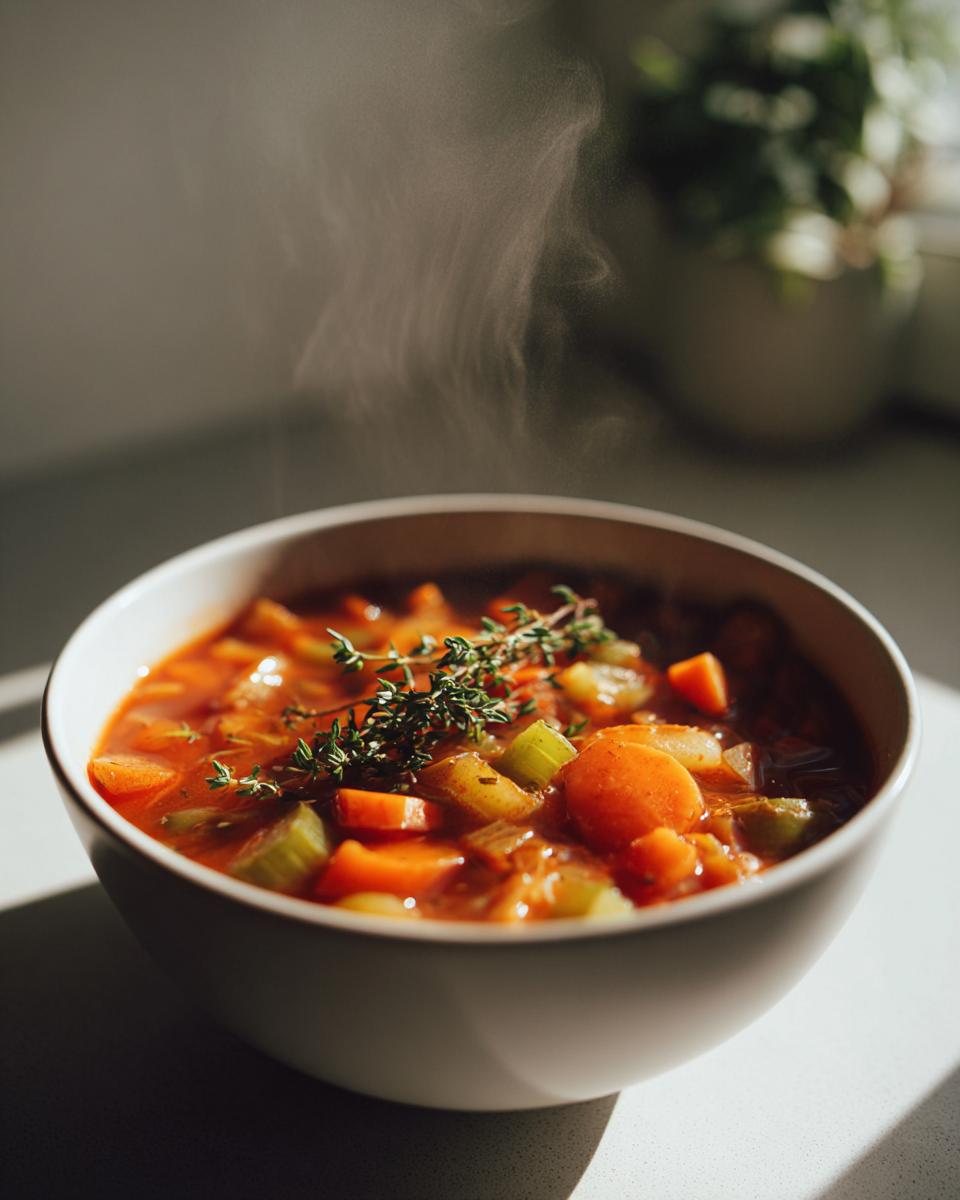
See? Easy as pie (but way cozier)! Now all that’s left is ladling it into bowls and enjoying your masterpiece. Pro tip: The soup gets even better the next day as flavors deepen—if you can wait that long!
Tips for Perfect Winter Soup Recipes
After making this winter soup recipe more times than I can count, I’ve picked up some foolproof tricks to make it shine every time. First off—taste as you go! That last pinch of salt or extra grind of pepper can take it from good to “wow.” If you want to bulk it up, stir in some cooked pasta or rice during the last 5 minutes—it soaks up all that delicious broth. Leftovers? They’re actually better the next day! Just store in airtight containers (glass works best for no weird flavors). Freezes like a dream too—I always stash single portions for emergency cozy meals. Oh, and here’s my secret: a splash of lemon juice or vinegar right before serving wakes up all the flavors. Try it!
Variations of Winter Soup Recipes
Oh, the fun part—making this winter soup recipe your own! I love playing around with different combinations depending on what’s in season (or what’s hiding in my fridge). Try swapping in sweet potatoes instead of carrots for a cozier vibe, or toss in some kale or spinach at the end for extra greens. Feeling fancy? A handful of fresh herbs like rosemary or sage takes it to holiday dinner levels. And for my meat-loving friends—some shredded chicken or white beans make it hearty enough for the hungriest winter appetites. The possibilities are endless—that’s the beauty of winter soup recipes!
Serving Suggestions for Winter Soup Recipes
Now, let’s talk about the perfect partners for your winter soup masterpiece! A big bowl of this goodness deserves some equally delicious company. My absolute must-have? A hunk of crusty bread—perfect for sopping up every last drop. If you’re feeling fancy, try my favorite lunch recipes for a simple side salad to brighten things up. For extra cozy points, serve with grilled cheese sandwiches (dunking encouraged!). And on really cold nights? A baked potato alongside turns it into a full-on feast. Honestly though, this soup shines bright all on its own—just add a warm blanket and you’re golden!
Storage and Reheating Instructions
Listen, I know you’ll probably want to eat this whole pot in one sitting (been there!), but if you’ve got leftovers, here’s how to keep them tasting amazing. Let the soup cool completely before popping it in the fridge—hot soup can make your fridge work overtime! Store it in airtight containers—I’m obsessed with glass jars because they don’t absorb smells. It’ll stay fresh for 3-4 days in the fridge, but honestly? Mine never lasts that long!
Freezing? Absolutely! Just pour cooled soup into freezer bags (lay them flat to save space) or containers, leaving about an inch for expansion. It keeps beautifully for 3 months—perfect for those “I can’t even” winter nights. To reheat, thaw overnight in the fridge if frozen, then warm gently on the stove—microwaving can make veggies mushy. Add a splash of broth if it seems too thick. Pro tip: The flavors actually deepen after a day or two—leftovers might just be better than the first bowl!
Nutritional Information
Okay, let’s talk numbers—but don’t worry, I won’t bore you with a nutrition lecture! Here’s the scoop on what’s in each comforting bowl of this winter soup (based on roughly 1¼ cups per serving):
- 120 calories – Light enough for seconds!
- 4g fat (just 1g saturated) – Thanks to that heart-healthy olive oil
- 3g protein – Not bad for a veggie-packed dish
- 20g carbs – Mostly from all those good-for-you veggies
- 5g fiber – That’s 20% of your daily needs—hello, happy digestion!
Plus, you’re getting loads of vitamins—120% of your daily vitamin A from those carrots, and 15% of vitamin C to help fight winter colds. Keep in mind these are estimates (your exact amounts might vary slightly based on veggie sizes and brands). But really, who’s counting when it’s this delicious and nourishing? That’s what I call a win-win winter meal!
Frequently Asked Questions
Can I use frozen vegetables in winter soup recipes?
Absolutely! Frozen veggies are my secret weapon when fresh produce is scarce. They’re flash-frozen at peak freshness, so they actually retain nutrients beautifully. Just toss them in straight from the freezer—no need to thaw. The texture might be slightly softer, but the flavor will still be fantastic. I always keep frozen green beans, peas, and corn on hand for last-minute soup emergencies!
How can I make my winter soup thicker?
Oh, I’ve got tricks for this! For a naturally thicker soup, try mashing some of the cooked potatoes or beans against the pot side with your spoon. If you want it really hearty, stir in a tablespoon of tomato paste with the garlic, or mix a spoonful of flour with cold broth before adding. My favorite trick? Blend half the soup and mix it back in—creamy texture without any cream!
What’s the best way to add protein to winter soup recipes?
This is where you can get creative! I love tossing in a can of rinsed white beans or lentils during the last 10 minutes—they soak up all that delicious broth. Leftover chicken or turkey works wonders too (just shred it in!). For vegetarians, quinoa or small pasta adds great texture. And when I’m feeling fancy, I’ll poach eggs right in the simmering soup—break that yolk and watch the magic happen!
Can I make winter soup recipes in a slow cooker?
You bet! Slow cookers are soup’s best friend. Just sauté your onions, carrots, and celery first (trust me, it makes a flavor difference), then dump everything in the crock. Cook on low for 6-8 hours or high for 3-4. The longer cook time means the flavors develop even deeper. I love coming home to that “someone’s been cooking all day” smell—even though the slow cooker did all the work!
Why does my soup taste bland?
Don’t worry—we’ve all been there! The secret is layering flavors. First, make sure you’re using enough salt (start with less, you can always add). Acid is key too—a splash of lemon juice or vinegar at the end brightens everything up. And don’t forget umami boosters like a Parmesan rind simmered in the broth or a dash of soy sauce. Taste as you go, and remember: winter soups often taste better the next day as flavors meld!
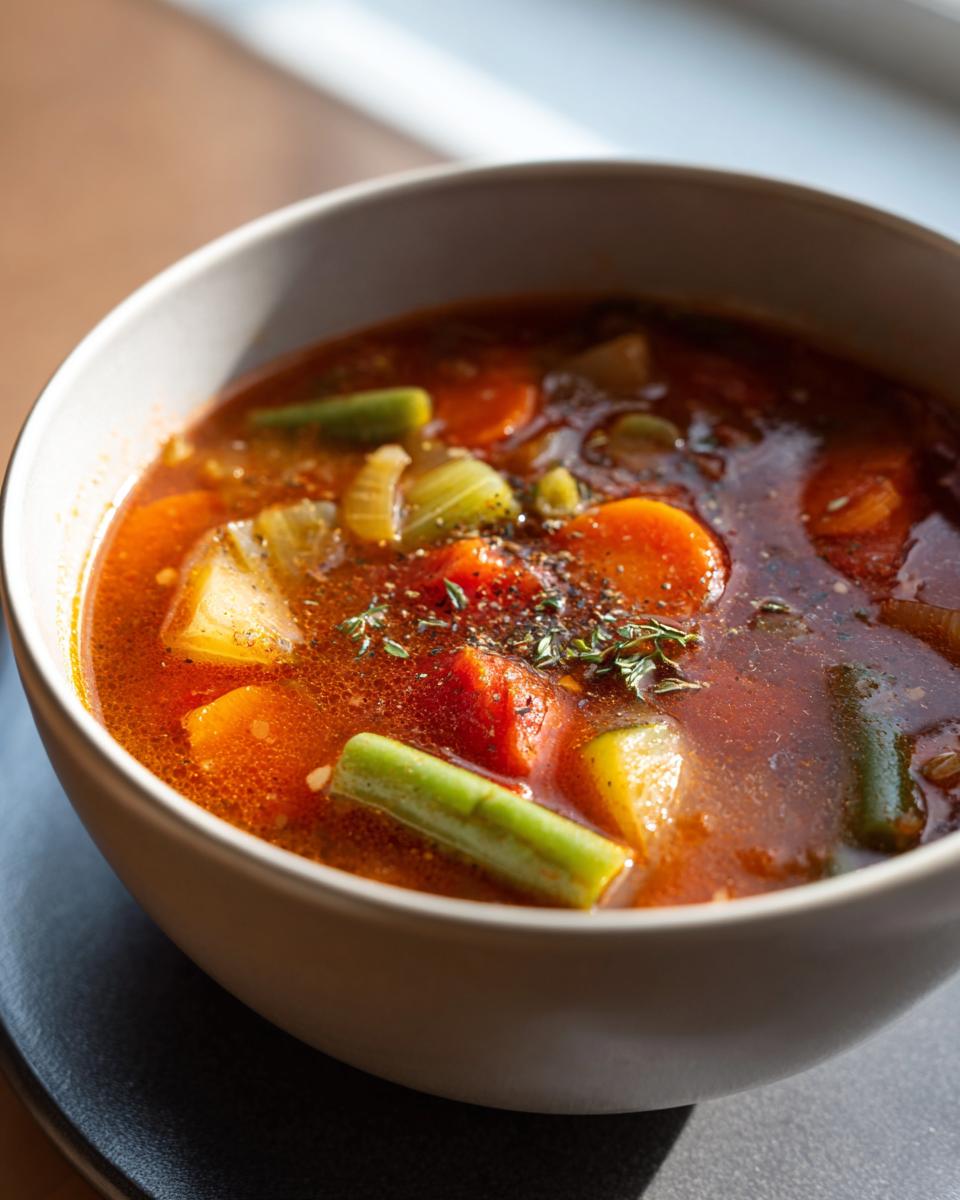
Ingredients
Equipment
Method
- Heat olive oil in a large pot over medium heat.
- Add onion, carrots, and celery. Cook for 5 minutes until softened.
- Add garlic and cook for 1 minute until fragrant.
- Pour in vegetable broth and diced tomatoes. Bring to a boil.
- Add green beans, thyme, salt, and pepper. Reduce heat and simmer for 20 minutes.
- Serve hot.
Nutrition
Notes
Tried this recipe?
Let us know how it was!For more amazing recipes, be sure to check out our other sections to explore a variety of ideas that will enrich your cooking experience. Each section offers its own unique flavors to ensure a delightful culinary journey:
Easy and Quick Recipes: A collection of dishes that guarantee delicious meals with minimal effort and time.
Healthy Recipes: Discover healthy and delicious options that fit your lifestyle.
Desserts: A diverse selection of sweets that will add a special touch of sweetness to your table.
Lunch Recipes: Tasty lunch ideas that you can easily prepare to delight your family.
Dinner Recipes: Delicious and easy-to-make recipes that will make your dinner a memorable occasion.