Table of Contents
Table of Contents
Introduction
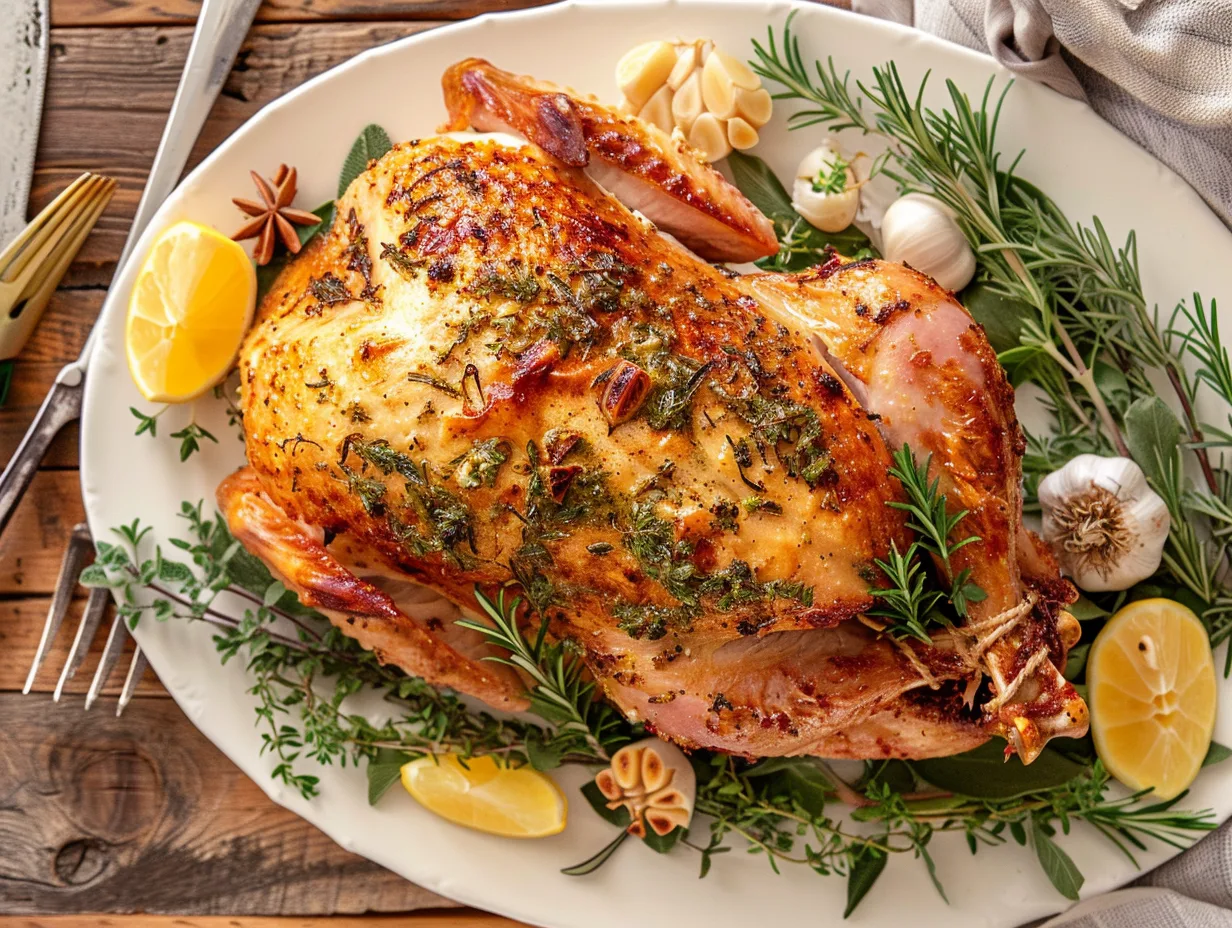
Turkey breast recipes were always magical in my grandmother’s kitchen. I remember sneaking downstairs early on Sunday mornings, following the scent of herbs and butter wafting through the house. Grandma would be there, her apron dusted with flour, carefully preparing her famous turkey breast.
She’d let me help sometimes, showing me how to tuck fresh herbs under the golden skin. Those moments taught me that great turkey breast recipes aren’t just about following instructions—they’re about creating memories around the table with people you love.
Today, I’m sharing the best turkey breast recipes for three different cooking methods. Whether you prefer the traditional oven, the convenience of a slow cooker, or the speed of an air fryer, these turkey breast recipes will help you create tender, juicy results every time.
These easy homemade recipes work perfectly for weeknight dinners or holiday feasting. Learning how to make turkey breast using different methods gives you flexibility and confidence in the kitchen.
Let me show you how to create delicious dishes that’ll become your family favorite recipes. Each method produces beautifully cooked turkey breast with crispy skin and incredible flavor.
Ingredients
Explanation of Key Ingredients and Their Role
The foundation of great turkey breast recipes starts with choosing between bone-in or boneless cuts. Bone-in turkey breast typically weighs 4-5 pounds and provides more flavor as the bone helps conduct heat evenly throughout the meat.
Boneless turkey breast cooks faster and is easier to slice, making it perfect for weeknight meals. Both options work beautifully in turkey breast recipes, so choose based on your preferences and timeline.
Butter or olive oil creates moisture and helps seasonings adhere to the skin. Using softened butter allows you to create a compound butter with herbs that can be spread both under and over the skin.
Fresh herbs like rosemary, thyme, and sage are essential in turkey breast recipes. These aromatics infuse the meat with traditional poultry flavors and create an irresistible aroma while cooking.
Garlic powder and onion powder form the base of most turkey rubs. These dried seasonings distribute evenly and caramelize beautifully on the skin, creating depth of flavor.
Paprika adds color and a subtle sweetness to turkey breast recipes. It helps achieve that golden-brown appearance we all crave in perfectly cooked poultry.
Salt and pepper are non-negotiable in turkey breast recipes. Kosher salt penetrates the meat better than table salt, and freshly ground black pepper provides aromatic heat.
Tips for Selecting the Best Quality Ingredients
Look for turkey breast with skin still attached, as the fat underneath bastes the meat naturally during cooking. Skin-on turkey breast produces juicier results in all turkey breast recipes.
Choose fresh turkey breast when possible, but frozen works perfectly fine. If using frozen, ensure it’s completely thawed in the refrigerator before starting any turkey breast recipes.
Check the label for pre-brined turkey, which contains added salt solution. If your turkey breast is pre-brined, reduce the salt in your recipe by half to avoid over-salting.
Select turkey breast that feels firm and has no off-odors. The meat should be pale pink with no discoloration or excessive liquid in the package.
Buy organic or free-range turkey breast if budget allows. These birds typically have better flavor and texture, elevating your turkey breast recipes to restaurant quality.
Substitutions and Alternatives
Replace fresh herbs with dried herbs in a 3:1 ratio. If a recipe calls for 3 teaspoons fresh thyme, use 1 teaspoon dried thyme instead.
Swap olive oil for melted butter or avocado oil. All three fats work equally well in turkey breast recipes and create beautiful browning.
Use Italian seasoning or poultry seasoning blend instead of individual herbs. These pre-mixed spices simplify turkey breast recipes while maintaining authentic flavor.
Substitute garlic powder with fresh minced garlic for a more pungent taste. Use about 3 fresh garlic cloves for every teaspoon of garlic powder.
Replace paprika with smoked paprika for a deeper, smokier flavor profile. This works especially well in slow cooker and air fryer turkey breast recipes.
Preparation Steps
Initial Prep and Cleaning Tips
Start by removing your turkey breast from refrigeration 30-45 minutes before cooking. Bringing meat to room temperature ensures even cooking in all turkey breast recipes.
Never wash your turkey breast under running water. This practice spreads bacteria around your kitchen without actually cleaning the meat.
Pat the turkey breast completely dry with paper towels. This critical step ensures crispy skin and proper browning in all turkey breast recipes.
Remove the turkey breast from any packaging and check for the giblet packet. Sometimes these packets are tucked inside the cavity and must be removed before cooking.
Inspect the turkey breast for any remaining feathers or quills. Use tweezers or the edge of a knife to remove any you find.
Step-by-Step Cooking Instructions with Secret Tips
Oven Method for Turkey Breast Recipes:
Preheat your oven to 350°F and position a rack in the lower third. This placement prevents the top from browning too quickly.
Create a compound butter by mixing softened butter with minced garlic, thyme, rosemary, sage, salt, and pepper. This technique appears in the best turkey breast recipes for good reason.
Carefully loosen the skin from the turkey breast by sliding your fingers underneath. Work gently to avoid tearing, keeping the skin attached along the breastbone.
Spread half the butter mixture directly onto the meat under the skin. This secret step keeps the meat incredibly moist as it roasts.
Rub the remaining butter mixture over the outside of the skin. Place the turkey breast skin-side up in a metal roasting pan.
Roast for approximately 20 minutes per pound, or until the internal temperature reaches 165°F in the thickest part. A 4-pound turkey breast typically takes 90-120 minutes.
Check the turkey breast at 65-75 minutes. If the skin is browning too quickly, loosely tent aluminum foil over the top to prevent burning.
Remove from the oven when temperature reaches 160-165°F. Let the turkey breast rest for 10-15 minutes before slicing; it will continue cooking to reach the final safe temperature.
Slow Cooker Method for Turkey Breast Recipes:
Cut one head of garlic and one onion in half horizontally. Place them cut-side down in the slow cooker to elevate the turkey breast.
Mix your rub ingredients: garlic powder, onion powder, paprika, salt, pepper, and olive oil. This creates a paste that seasons and colors the meat.
Pat the turkey breast dry and slather it with the rub mixture. Focus most of the seasoning on the top and sides where it will be most visible.
Place the turkey breast on top of the garlic and onion. This elevation prevents the bottom from becoming soggy in the cooking liquid.
Cook on LOW for 5-6 hours for a 4-pound turkey breast. Do not use HIGH setting as this can dry out the meat.
Check internal temperature at 5 hours. The turkey breast is done when it reaches 165°F in the thickest part.
Remove the turkey breast and crisp the skin under the broiler for 3-5 minutes. This final step transforms pale skin into golden, crispy perfection.
Save the cooking liquid for gravy. The juices contain incredible flavor from the turkey, garlic, and onions.
Air Fryer Method for Turkey Breast Recipes:
Select a turkey breast that fits in your air fryer basket. Most 5-quart or larger air fryers accommodate a 4-5 pound bone-in turkey breast.
Rub olive oil all over the turkey breast, then season both sides with kosher salt and poultry seasoning. Add more oil over the skin side for extra crispiness.
Preheat your air fryer to 350°F. Proper preheating ensures even cooking and beautiful browning.
Place the turkey breast skin-side down in the air fryer basket. Cook for 20 minutes, then flip the turkey breast over.
Continue cooking skin-side up for 30-40 minutes more, or until internal temperature reaches 160°F. Total cooking time for a 4-pound turkey breast is approximately 50-60 minutes.
Use an instant-read thermometer to verify doneness. Insert it into the thickest part of the breast, avoiding the bone.
Let the turkey breast rest for 10 minutes before carving. This allows juices to redistribute throughout the meat.
Common Mistakes and How to Avoid Them
Overcooking turkey breast is the most common mistake in turkey breast recipes. The meat goes from perfectly cooked to dry within just a few degrees.
Always use a meat thermometer rather than relying on pop-up timers or cooking time alone. Pop-up timers are notoriously unreliable and often result in overcooked meat.
Cooking turkey breast straight from the refrigerator causes uneven cooking. The outside overcooks before the center reaches a safe temperature.
Skipping the resting period releases all the juices onto your cutting board instead of keeping them in the meat. Rest turkey breast for at least 10-15 minutes after cooking.
Not drying the skin properly prevents it from crisping. Moisture on the surface creates steam instead of browning.
Setting oven temperature too high causes the exterior to burn before the interior cooks through. Moderate temperatures produce better results in turkey breast recipes.
Forgetting to elevate turkey breast in the slow cooker causes the bottom to become mushy. Use vegetables or a rack to keep it out of the liquid.
Opening the oven or air fryer repeatedly to check progress releases heat and extends cooking time. Trust your thermometer and resist peeking.
Best Turkey Breast Recipes for Oven, Slow Cooker & Air Fryer”
Ingredients
Tried this recipe?
Let us know how it was!Serving & Final Touches
Creative Presentation Ideas
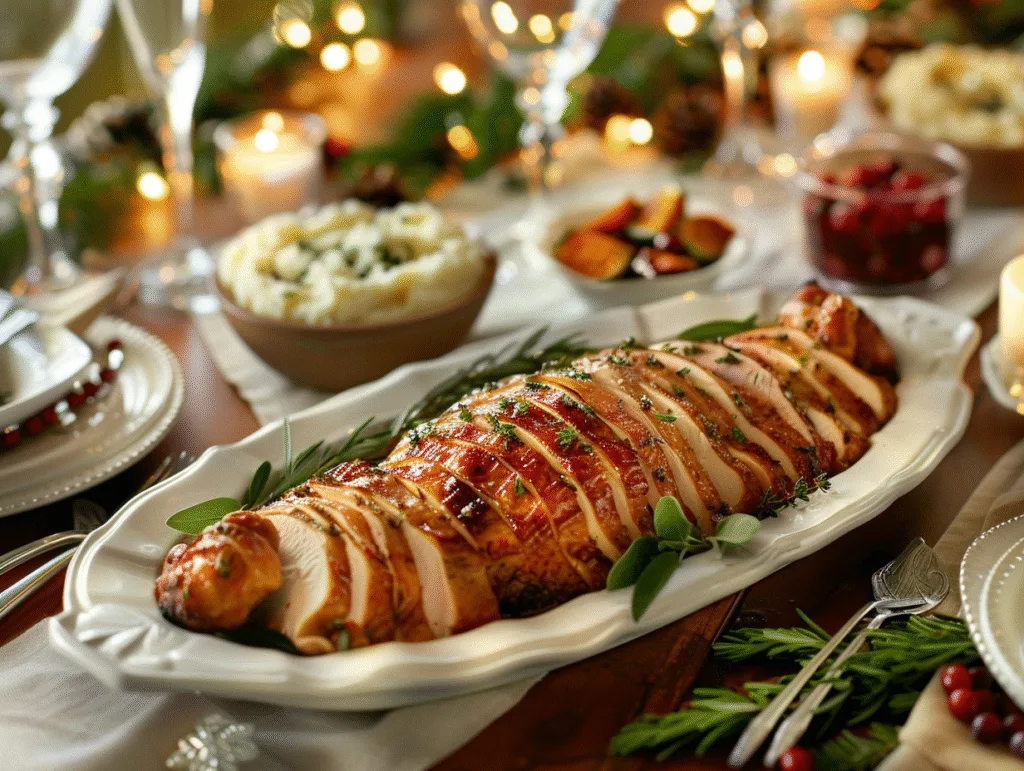
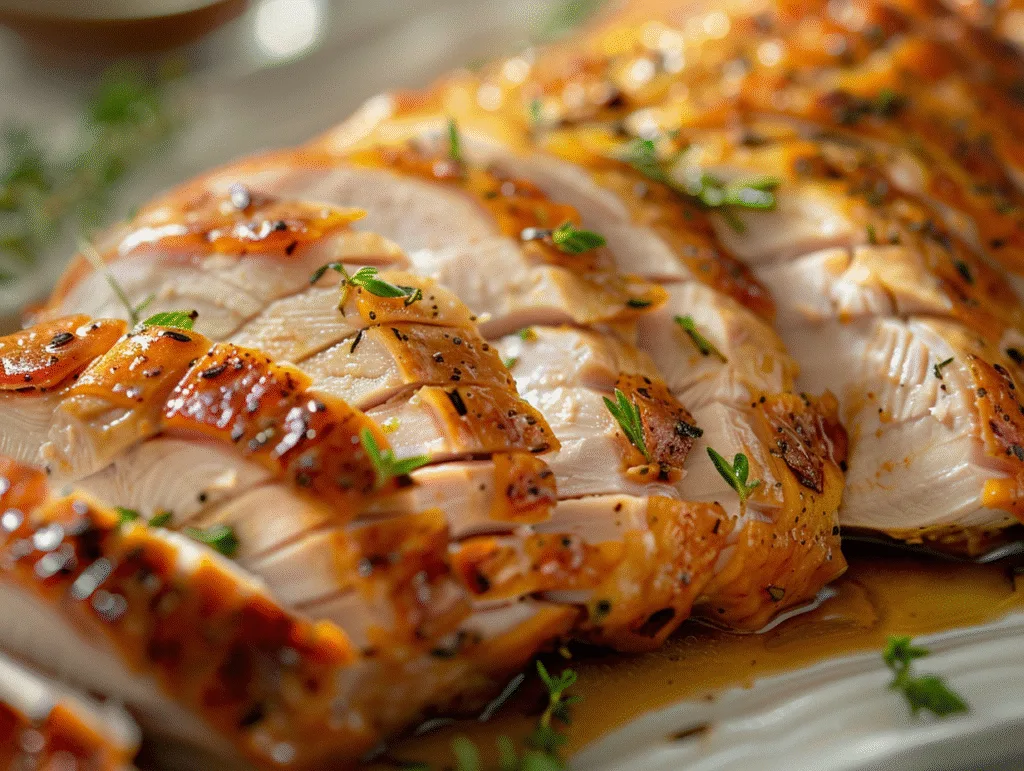
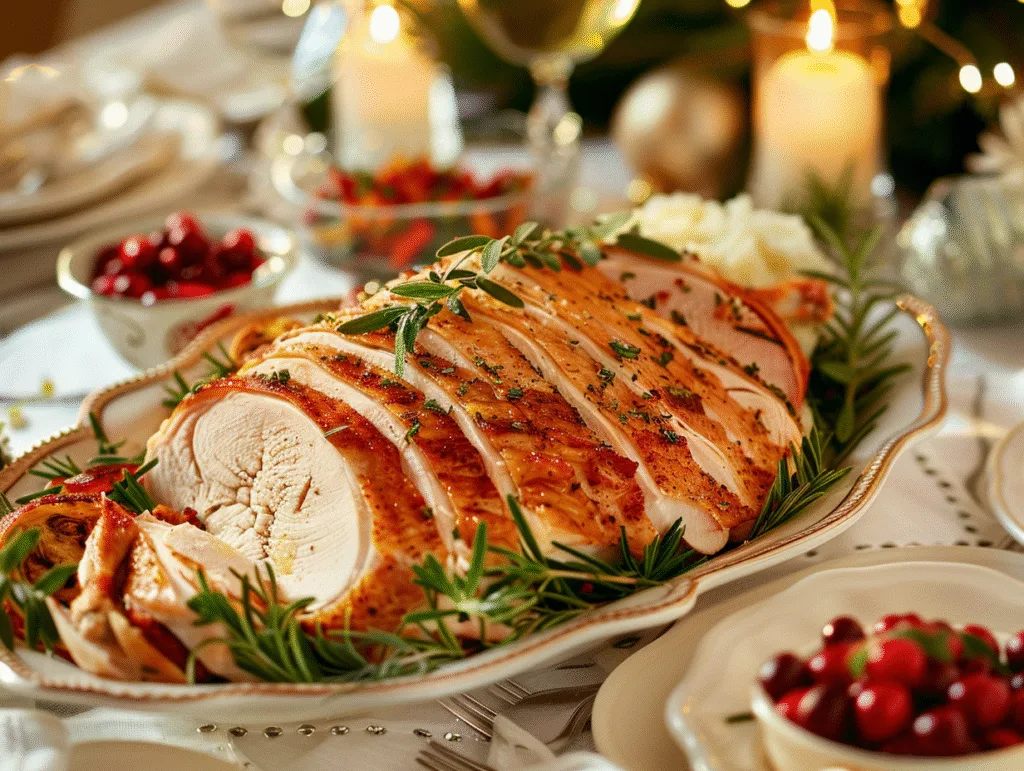
Slice turkey breast against the grain into uniform half-inch pieces. Arrange slices in overlapping rows on a serving platter for an elegant presentation.
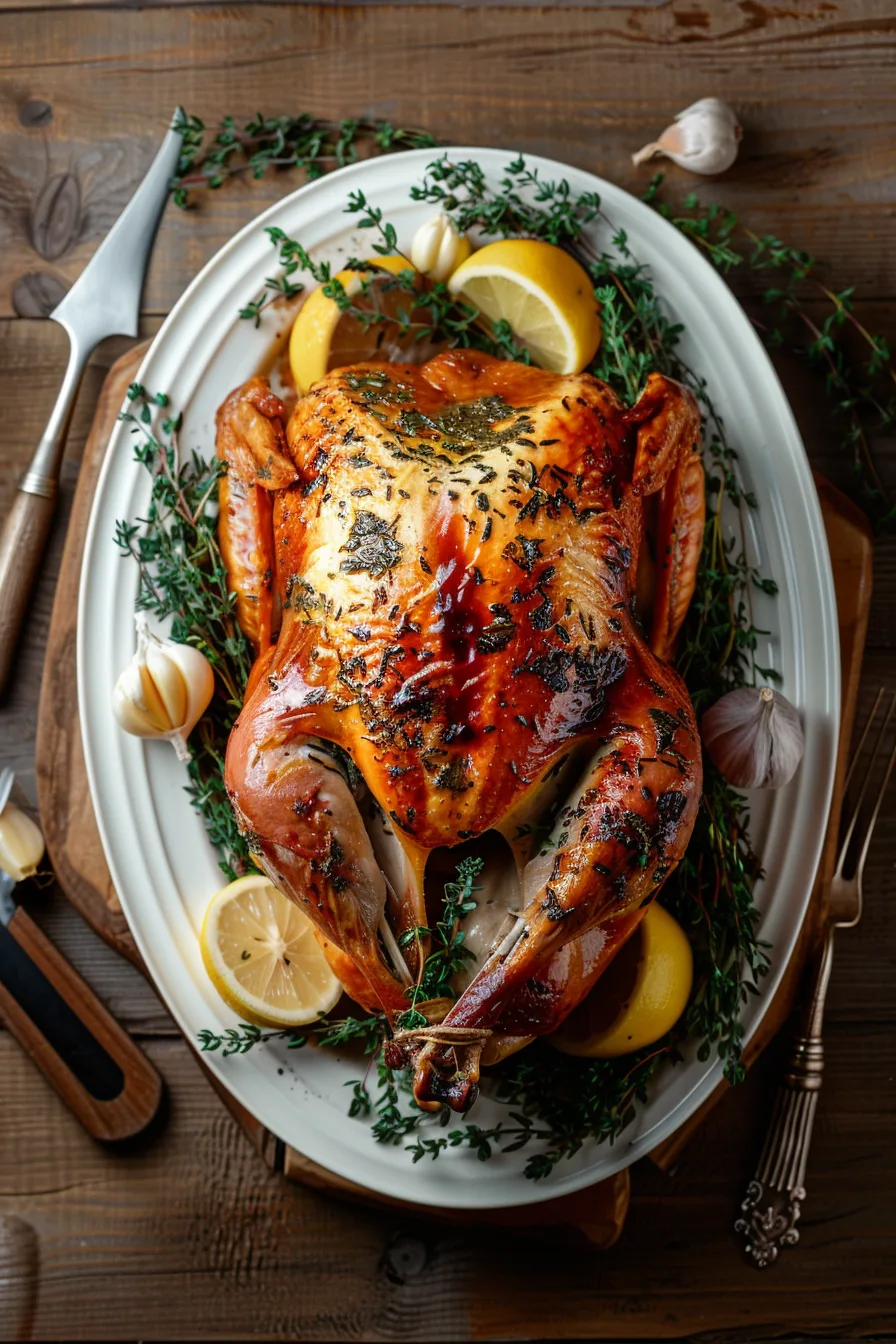
Garnish your turkey breast with fresh herb sprigs that match what you used in cooking. Rosemary, thyme, and sage create a beautiful, aromatic display.
Drizzle warm gravy over sliced turkey breast just before serving. This adds visual appeal and ensures every bite stays moist and flavorful.
Place turkey breast slices on a bed of roasted vegetables. The colorful vegetables create contrast and make the platter more visually interesting.
Serve turkey breast on a wooden carving board for a rustic, homestyle presentation. Let guests serve themselves for a more casual, family-friendly approach.
Recommended Side Dishes or Pairings
Classic mashed potatoes pair perfectly with turkey breast recipes. The creamy texture complements the lean meat and soaks up delicious gravy.
Roasted Brussels sprouts with bacon add a sophisticated touch to turkey breast dinners. The slight bitterness balances the rich, savory flavors of the turkey.
Homemade stuffing is traditional with turkey breast recipes. Whether baked separately or alongside the turkey, stuffing completes the classic poultry dinner experience.
Cranberry sauce provides a sweet-tart contrast to savory turkey breast. Use homemade or high-quality store-bought sauce for best results.
Green bean casserole remains a favorite side dish for turkey breast recipes. The creamy, crispy-topped vegetables add texture variety to your plate.
Sweet potato casserole with marshmallow or pecan topping brings sweetness to balance the meal. This side dish works especially well for holiday turkey breast recipes.
Simple roasted carrots or other root vegetables add color and nutrition. Their natural sweetness complements the herbed turkey breast perfectly.
Storage Tips and Reheating Advice
Store leftover turkey breast in an airtight container within two hours of cooking. Refrigerate for up to 4 days for food safety.
Freeze turkey breast portions for up to 3 months. Wrap tightly in plastic wrap, then aluminum foil to prevent freezer burn.
Slice leftover turkey breast before storing when possible. Smaller pieces cool faster and reheat more evenly than large chunks.
Add a splash of broth or gravy when reheating turkey breast. This prevents the meat from drying out during the reheating process.
Reheat turkey breast in the microwave on 50% power for gentle warming. High power settings dry out the edges of the meat.
Use leftover turkey breast in sandwiches, soups, pot pies, and casseroles. These recipes stretch your turkey further and add variety to meals.
Store gravy separately from sliced turkey breast. This prevents the meat from becoming soggy and allows you to reheat each component properly.
 DINNER
 LUNCH
LUNCH Desserts
 BREAKFAST
For more amazing recipes, be sure to check out our other sections to explore a variety of ideas that will enrich your cooking experience. Each section offers its own unique flavors to ensure a delightful culinary journey:
Easy and Quick Recipes: A collection of dishes that guarantee delicious meals with minimal effort and time.
Healthy Recipes: Discover healthy and delicious options that fit your lifestyle.
Desserts: A diverse selection of sweets that will add a special touch of sweetness to your table.
Lunch Recipes: Tasty lunch ideas that you can easily prepare to delight your family.
Dinner Recipes: Delicious and easy-to-make recipes that will make your dinner a memorable occasion.
Frequently Asked Questions
Q1: What internal temperature should turkey breast reach?
Turkey breast should reach an internal temperature of 165°F in the thickest part for food safety. However, you can pull it from heat at 160°F and let it rest, as the temperature will rise 5 degrees during resting. Using an instant-read thermometer is the only accurate way to determine doneness in turkey breast recipes. Insert the thermometer into the thickest part of the breast without touching bone for the most accurate reading.
Q2: How long does it take to cook a 4-pound turkey breast in each method?
In the oven at 350°F, a 4-pound turkey breast takes approximately 90-120 minutes (about 20 minutes per pound). In a slow cooker on LOW, the same turkey breast requires 5-6 hours. An air fryer cooks a 4-pound turkey breast fastest, taking only 50-60 minutes at 350°F. Always verify doneness with a meat thermometer regardless of time estimates.
Q3: Can I use frozen turkey breast in these recipes?
Never cook frozen turkey breast directly from the freezer. Thaw it completely in the refrigerator, allowing 24 hours for every 4-5 pounds of turkey breast. For faster thawing, use the cold water method by submerging the sealed turkey breast in cold water, changing the water every 30 minutes. Once fully thawed, pat the turkey breast dry before proceeding with any turkey breast recipes.
Q4: Why is my turkey breast always dry?
Dry turkey breast results from overcooking past 165°F internal temperature. Turkey breast has very little fat and connective tissue, so it dries out quickly when overcooked. Not letting the meat rest before slicing also causes dryness as juices run out onto the cutting board. Using a meat thermometer and pulling the turkey breast at 160°F prevents overcooking. The slow cooker method is most forgiving for beginners since the low temperature makes overcooking less likely.
Q5: Do I need to brine turkey breast before cooking?
Brining is not necessary when using these turkey breast recipes, especially the slow cooker method which keeps meat naturally moist. The oven method benefits from compound butter under the skin, which bastes the meat as it cooks. Air fryer turkey breast stays juicy due to the short cooking time. If you enjoy brining, go ahead, but these turkey breast recipes produce juicy results without that extra step. Check your turkey breast label first—some frozen turkey comes pre-brined.
Conclusion
These turkey breast recipes give you three foolproof methods for creating juicy, flavorful turkey any time you crave it. Whether you choose the traditional oven for holiday elegance, the convenient slow cooker for hands-off cooking, or the speedy air fryer for weeknight meals, you’ll achieve delicious results.
Remember the key secrets: always use a meat thermometer, let the turkey breast rest before carving, and don’t skip drying the skin. These simple steps separate good turkey breast recipes from truly exceptional ones.
Start with whichever method fits your schedule and equipment. Once you’ve mastered one of these turkey breast recipes, try another method to discover your favorite.
I encourage you to try these turkey breast recipes soon and share your experience in the comments. Tell us which cooking method you chose and how your family enjoyed it.
These turkey breast recipes are more than just instructions—they’re opportunities to create memories around your table, just like my grandmother did for me. Happy cooking !