Table of Contents
Table of Contents
Introduction
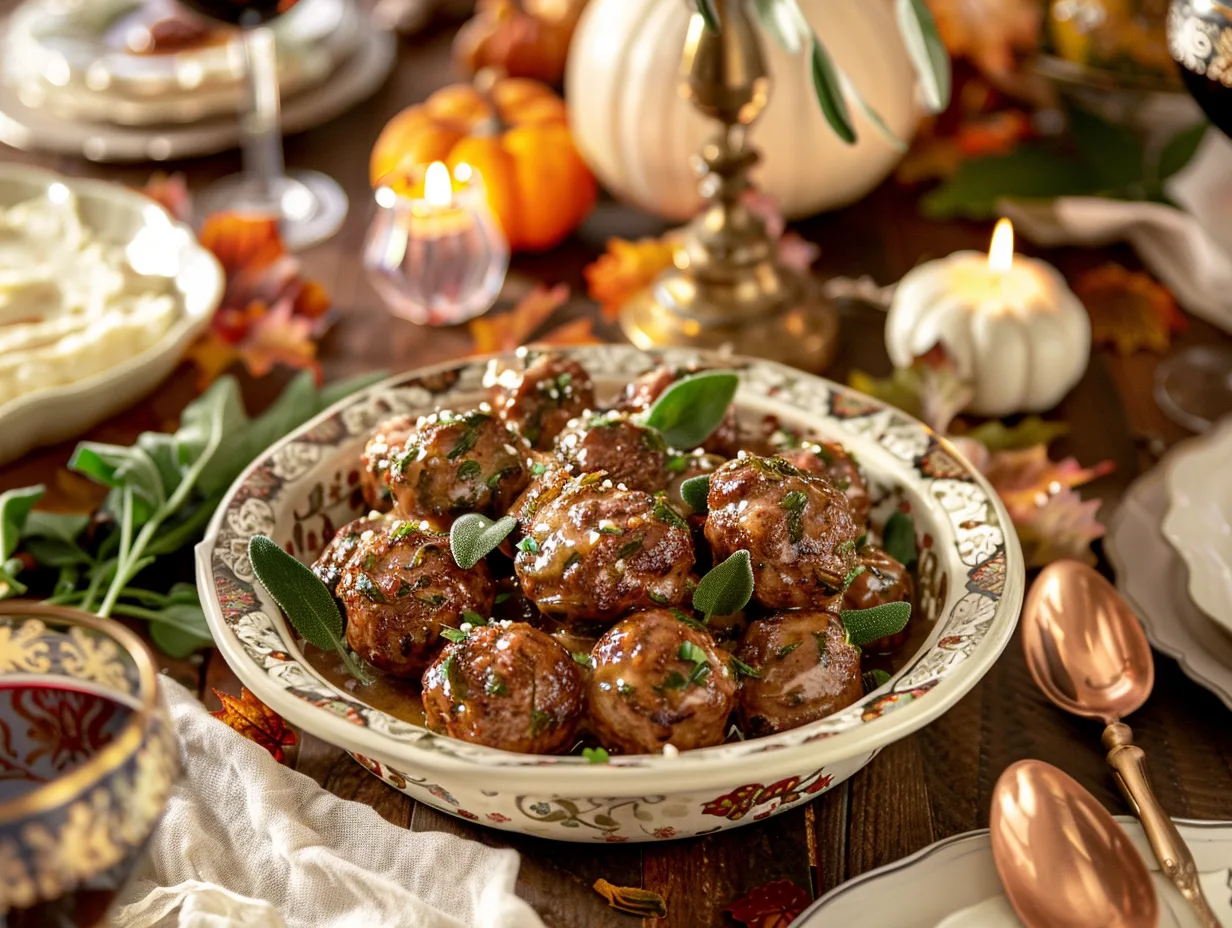
There’s something magical about the moment when autumn flavors meet comfort food traditions, and that’s exactly what happens with these incredible Pumpkin Sage Meatballs. As someone who’s spent years perfecting Thanksgiving ground turkey recipes, I can honestly say this dish has become my secret weapon for holiday gatherings.
I’ll never forget the first time I served these at our family’s Thanksgiving potluck three years ago. My aunt Margaret, who’s notoriously picky about anything that strays from traditional turkey, took one bite and asked for the recipe on the spot. Since then, these savory-sweet meatballs have become our family’s most requested dish, often stealing the spotlight from the main bird itself!
What makes this one of the best Thanksgiving ground turkey recipes isn’t just the stunning combination of pumpkin puree and fresh sage—it’s how it captures everything we love about the season in one perfect, poppable bite. Whether you’re looking for an elegant appetizer, a unique main course, or simply want to add something special to your holiday spread, these meatballs deliver warmth, nostalgia, and incredible flavor. Plus, they’re surprisingly easy to make, which means less stress and more time to enjoy with loved ones.
This recipe represents the evolution of traditional Thanksgiving ground turkey recipes into something fresh and exciting while maintaining that comforting, home-cooked appeal we all crave during the holidays. The secret lies in balancing the earthy sweetness of pumpkin with aromatic sage, garlic, and just a hint of warming spices that remind you of everything wonderful about fall.
When exploring Thanksgiving ground turkey recipes, most people expect something simple, but these meatballs prove that ground turkey can be transformed into a gourmet experience. Unlike the usual casseroles or stuffings, this dish turns ground turkey into flavorful bites that wow guests every time.
Many home cooks searching for Thanksgiving ground turkey recipes want ideas that balance tradition with creativity. These Pumpkin Sage Meatballs do exactly that, offering something seasonal while still feeling true to holiday roots. The result is a recipe that pleases both adventurous eaters and those who prefer classic Thanksgiving flavors.
For families who want lighter holiday options, Thanksgiving ground turkey recipes like this one are the perfect solution. Ground turkey is leaner than beef, yet when combined with pumpkin, herbs, and spices, it stays juicy and flavorful. That makes this dish a healthier addition to the Thanksgiving table without sacrificing taste.
If you’re planning your holiday menu and browsing different Thanksgiving ground turkey recipes, don’t overlook this gem. Not only is it festive and delicious, but it’s also versatile—serve it as an appetizer, main course, or even alongside your traditional roast turkey for a creative twist.
Ultimately, what sets this apart from other Thanksgiving ground turkey recipes is its ability to surprise. Guests may expect stuffing or gravy, but when these fragrant meatballs appear on the table, they immediately become a conversation starter and a crowd favorite.
Thanksgiving Ground Turkey Recipes: Pumpkin Sage Meatballs
Ingredients
Tried this recipe?
Let us know how it was!Ingredients
Understanding the Key Ingredients and Their Role
Creating exceptional Thanksgiving ground turkey recipes starts with understanding how each ingredient contributes to the final dish. For these Pumpkin Sage Meatballs, every component plays a crucial role in building layers of flavor and achieving that perfect, tender texture.
Ground turkey (2 pounds) forms the protein base of our meatballs. Unlike beef, turkey has a leaner profile, which means it needs additional moisture to prevent dryness. This is where the magic of pumpkin comes in. The turkey’s mild flavor also makes it an ideal canvas for bold seasonal flavors.
Pumpkin puree (1 cup) is the star ingredient that sets these meatballs apart from other Thanksgiving ground turkey recipes. It adds incredible moisture, a subtle sweetness, and that gorgeous autumn color. Make sure you’re using plain pumpkin puree, not pumpkin pie filling, which contains added sugars and spices. The pumpkin also contributes vitamins A and C, adding nutritional value to this delicious dish.
Fresh sage (3 tablespoons, finely chopped) brings that quintessential Thanksgiving flavor profile. Sage’s earthy, slightly peppery taste pairs beautifully with both turkey and pumpkin, creating a harmonious blend that screams fall. Fresh sage is vastly superior to dried in this recipe—its bright, clean flavor can’t be replicated by the dried version.
Breadcrumbs (1 cup, preferably panko) act as a binder while keeping the meatballs tender. They absorb excess moisture and help hold everything together during cooking. Panko breadcrumbs create a lighter texture than traditional breadcrumbs, preventing dense, heavy meatballs.
Parmesan cheese (½ cup, freshly grated) adds a salty, umami depth that elevates these meatballs from good to extraordinary. The cheese also helps bind the mixture and adds richness that complements the lean turkey perfectly.
Eggs (2 large) serve as the primary binder, holding all ingredients together. They also add moisture and richness, ensuring your meatballs stay juicy and don’t fall apart during cooking.
Garlic (4 cloves, minced) provides aromatic depth and savory notes that balance the pumpkin’s sweetness. Garlic is non-negotiable in creating well-rounded Thanksgiving ground turkey recipes.
Spices: Ground nutmeg (½ teaspoon) and cinnamon (¼ teaspoon) add warming notes that enhance the pumpkin flavor without making the meatballs taste like dessert. Salt (1½ teaspoons) and black pepper (½ teaspoon) are essential for bringing all flavors together.
Olive oil (for cooking) helps achieve that beautiful golden-brown exterior while keeping the meatballs from sticking to your pan.
Tips for Selecting the Best Quality Ingredients
When crafting memorable Thanksgiving ground turkey recipes, ingredient quality directly impacts your results. Here’s how to shop smart for this dish:
For ground turkey, look for a blend that’s 93% lean. While 99% lean sounds healthy, it’s too lean for meatballs and will result in dry, crumbly results. The small amount of fat in 93% lean keeps things moist while still being healthier than beef. Check the color—it should be pink, not gray, and should smell fresh and clean. If possible, ask your butcher to grind turkey breast and thigh meat together for optimal flavor and moisture.
Selecting pumpkin puree requires reading labels carefully. Choose 100% pure pumpkin with no added ingredients. Many home cooks swear by specific brands, but any pure pumpkin puree works beautifully. If you’re feeling ambitious, you can make your own by roasting sugar pumpkins, but canned puree is perfectly acceptable and actually more consistent in moisture content, which helps when developing reliable Thanksgiving ground turkey recipes.
Fresh sage should have vibrant green leaves with no brown spots or wilting. The leaves should feel velvety and release a strong aroma when rubbed between your fingers. Sage is one herb where fresh truly matters—the flavor difference is remarkable. Buy it no more than a day or two before cooking for peak freshness.
For breadcrumbs, Japanese panko creates the lightest texture. Look for plain panko rather than seasoned varieties, so you control the flavor profile. Store-bought is fine, but if you have stale bread, pulse it in a food processor for homemade breadcrumbs that add incredible texture to easy homemade recipes like this one.
Parmesan cheese should always be purchased as a block and grated fresh. Pre-grated parmesan contains anti-caking agents that affect texture and flavor. Real Parmigiano-Reggiano, while pricier, offers superior flavor that makes a noticeable difference in your finished meatballs.
Fresh garlic beats pre-minced jarred garlic every time. Choose firm bulbs with tight, papery skin and no green shoots. The garlic should feel heavy for its size, indicating freshness and moisture.
For spices, check expiration dates. Ground spices lose potency quickly—if your nutmeg or cinnamon has been sitting in your cabinet for years, it’s time to replace them. Fresh spices make all the difference in how to make delicious dishes that truly shine.
Substitutions and Alternatives
Even the best Thanksgiving ground turkey recipes need flexibility to accommodate different dietary needs, ingredient availability, and personal preferences. Here are proven substitutions that maintain the integrity of this dish:
Protein alternatives: If turkey isn’t available or preferred, ground chicken works beautifully with identical results. For a richer flavor, try a 50/50 blend of ground turkey and Italian sausage (remove casings). Vegetarians can substitute with a plant-based ground meat alternative—just increase the breadcrumbs slightly as plant proteins release more moisture.
Pumpkin puree substitutes: Sweet potato puree or butternut squash puree work wonderfully, each bringing their own unique flavor profile. You’ll get similar moisture and sweetness with either option. In a pinch, unsweetened applesauce can work, though you’ll lose some of that distinctive autumn flavor that makes these special among Thanksgiving ground turkey recipes.
Breadcrumb options: Gluten-free breadcrumbs, crushed gluten-free crackers, or almond flour can replace traditional breadcrumbs for those avoiding gluten. Use the same measurements, though almond flour may require slightly less (about ¾ cup). For a paleo version, use almond flour and skip the Parmesan.
Cheese alternatives: Pecorino Romano offers a similar salty, sharp flavor to Parmesan. For dairy-free versions, nutritional yeast provides umami depth, though you’ll need to add extra salt to compensate. Use about ⅓ cup nutritional yeast in place of the Parmesan.
Herb substitutions: While sage defines this recipe, you can use fresh thyme (2 tablespoons) or rosemary (1½ tablespoons) for different but equally delicious results. A combination of thyme and parsley creates a lighter, fresher profile perfect for those who find sage overpowering.
Egg replacements: For egg-free family favorite recipes, use flax eggs (2 tablespoons ground flaxseed mixed with 6 tablespoons water, let sit 5 minutes) or 2 tablespoons of unsweetened applesauce per egg. The texture will be slightly different but still delicious.
Oil alternatives: Avocado oil or melted butter can replace olive oil for cooking. Each brings subtle flavor differences—butter adds richness while avocado oil has a higher smoke point for higher-heat cooking.

Preparation Steps
Initial Prep and Cleaning Tips
Success with Thanksgiving ground turkey recipes begins long before you start mixing ingredients. Proper preparation ensures smooth cooking and prevents common frustrations. Here’s how to set yourself up for meatball-making success:
Organization is everything. Before you begin, lay out all your ingredients in small bowls or containers—this French technique called “mise en place” prevents mid-recipe scrambling and ensures you don’t forget anything. Measure your breadcrumbs, mince your garlic, chop your sage, and grate your cheese before touching the raw turkey.
Prepare your workspace by clearing adequate counter space for mixing and rolling. You’ll need room for your mixing bowl and a sheet pan for the formed meatballs. Line your sheet pan with parchment paper before you start—trying to do this with turkey-covered hands later is a mess you want to avoid.
Wash your hands thoroughly with hot, soapy water before handling any ingredients. Keep a damp kitchen towel nearby for wiping your hands between rolling meatballs. When working with ground turkey, bacteria prevention is crucial, so designate one hand as your “clean hand” for touching utensils and other ingredients, keeping the other for handling raw meat.
Temperature matters when working with ground turkey. Remove it from the refrigerator about 10 minutes before mixing, allowing it to lose its chill slightly. Meat that’s too cold is harder to mix and shape. However, don’t let it sit out longer than 20 minutes—food safety comes first in all easy homemade recipes.
Prepare your cooking equipment by selecting a large skillet or frying pan that comfortably holds 8-10 meatballs without crowding. Overcrowding causes steaming instead of browning. Have a second sheet pan ready with clean parchment for resting the cooked meatballs. If you’re baking instead of pan-frying, preheat your oven to 400°F and lightly oil a rimmed baking sheet.
Clean as you go to make post-cooking cleanup manageable. Dispose of turkey packaging immediately, wipe down any surfaces it touched with hot, soapy water, and keep your sink area clear for efficient washing. This practice, essential for any cooking but especially with raw poultry, makes the entire process more enjoyable.
Safety tip: Use separate cutting boards for meat and vegetables. If you’re chopping sage and garlic before handling turkey, wash your knife and board thoroughly, or better yet, use different tools for each task.
Step-by-Step Cooking Instructions with Secret Tips
Creating the perfect Thanksgiving ground turkey recipes requires attention to detail and a few insider tricks. Follow these steps for meatballs that rival any restaurant version:
Step 1: Create the mixture (10 minutes) In a large mixing bowl, combine the pumpkin puree, eggs, minced garlic, and chopped sage. Whisk these wet ingredients together until smooth and well-incorporated. This pre-mixing ensures even distribution throughout the turkey. Add your breadcrumbs to this mixture and let them soak for 2-3 minutes—this is a crucial step many recipes skip. Soaked breadcrumbs, called a “panade” in cooking terminology, create incredibly tender meatballs by preventing the proteins from binding too tightly.
Secret tip #1: Add 2 tablespoons of milk or cream to your breadcrumb mixture for extra moisture. This restaurant trick keeps meatballs juicy even when reheated.
Step 2: Incorporate the turkey (5 minutes) Add the ground turkey to your bowl along with Parmesan cheese, nutmeg, cinnamon, salt, and pepper. Here’s where many home cooks go wrong—do NOT overmix. Using your hands (or a fork if you prefer), gently fold and combine the ingredients until just mixed. You should still see some streaks of pumpkin mixture. Overmixing develops the proteins too much, resulting in tough, dense meatballs. Mix only until you no longer see dry turkey—this takes about 30 seconds of gentle folding.
Secret tip #2: Chill your mixture for 15-20 minutes before shaping. Cold mixture is easier to form and helps meatballs hold their shape better during cooking.
Step 3: Form the meatballs (10-15 minutes) Using a 2-tablespoon cookie scoop or ice cream scoop ensures uniformly sized meatballs that cook evenly. Scoop the mixture, then roll gently between your palms to create smooth, round balls. Don’t compress too firmly—gentle pressure creates tender results. You should get about 30-36 meatballs from this recipe.
Secret tip #3: Keep a small bowl of water nearby and dampen your hands between rolling meatballs. This prevents sticking and creates smoother surfaces that brown beautifully.
Step 4: Cook the meatballs (20-25 minutes) For pan-frying (my preferred method for maximum flavor): Heat 2 tablespoons olive oil in a large skillet over medium heat. When the oil shimmers, add meatballs in a single layer with space between each. Cook without moving for 4-5 minutes until deeply golden on the bottom. Rotate each meatball a quarter turn and repeat until all sides are golden brown—about 15-18 minutes total. Reduce heat to medium-low, cover, and cook an additional 5-7 minutes until cooked through (internal temperature 165°F).
For baking (easier for large batches): Place meatballs on an oiled baking sheet with space between each. Brush or spray lightly with olive oil. Bake at 400°F for 20-25 minutes, rotating the pan halfway through, until golden and cooked through.
Secret tip #4: For the best of both worlds, brown meatballs in a skillet for color and flavor, then transfer to a 350°F oven to finish cooking. This gives you gorgeous color without risk of burning.
Step 5: Rest before serving (5 minutes) Transfer cooked meatballs to a clean plate and let them rest for 5 minutes. This allows juices to redistribute throughout the meat, ensuring every bite is moist and flavorful. This resting period is essential in how to make delicious dishes that truly impress.
Secret tip #5: Make a quick pan sauce by adding ½ cup chicken broth and 2 tablespoons butter to your cooking skillet. Scrape up the browned bits, simmer for 2 minutes, and drizzle over meatballs for restaurant-quality presentation.
Common Mistakes and How to Avoid Them
Even experienced cooks encounter challenges with Thanksgiving ground turkey recipes. Here are the most common pitfalls and how to prevent them:
Mistake #1: Dry, crumbly meatballs This is the number one complaint with turkey meatballs. The solution lies in proper moisture balance. Never skip the pumpkin puree—it’s not optional decoration but essential moisture. Don’t exceed 93% lean turkey; extra-lean ground turkey simply doesn’t have enough fat for juicy meatballs. If your mixture seems dry before cooking, add 2-4 tablespoons of milk or broth, one tablespoon at a time, until it holds together without being wet.
Mistake #2: Meatballs falling apart during cooking This happens when the mixture is too wet or hasn’t been properly bound. Ensure your breadcrumbs are fully incorporated and have had time to absorb moisture. If your mixture seems too loose, add more breadcrumbs, a tablespoon at a time. Conversely, if it’s too dry and crumbly, add beaten egg or a splash of broth. The mixture should hold together when squeezed but not be paste-like. Also, avoid moving meatballs too soon—let them develop a crust on one side before rotating.
Mistake #3: Burned exterior, raw interior This temperature management issue plagues many home cooks. The solution is medium heat with patience. High heat creates a dark crust before the inside cooks through. If your meatballs are browning too quickly, reduce heat immediately. For consistently cooked meatballs, use a meat thermometer—they’re done at 165°F internal temperature. If exteriors are perfect but centers are still raw, finish cooking in a 350°F oven.
Mistake #4: Bland flavor Under-seasoning is common in Thanksgiving ground turkey recipes because cooks are nervous about overdoing it. Remember that turkey is mild and requires adequate seasoning. Always taste your raw mixture before cooking (just a tiny bit cooked in a small skillet), then adjust seasoning. Salt is particularly important—unsalted meatballs will taste flat no matter what else you add. Don’t be shy with the sage either; its flavor mellows during cooking.
Mistake #5: Misshapen, irregular meatballs While rustic is fine, extremely uneven meatballs cook unevenly and look unprofessional. Use a scoop for consistency, and roll each gently but thoroughly. If one side is flatter, that’s your bottom—place it down first when cooking. Practice makes perfect, and even if they’re not spherical, uniform size matters more than perfect shape for even cooking.
Mistake #6: Sticking to the pan This frustrating issue is usually about insufficient or incorrect oil, or moving them too soon. Make sure your oil is properly heated before adding meatballs—it should shimmer but not smoke. Give meatballs adequate space; crowding reduces pan temperature and causes sticking. Most importantly, patience! A proper crust releases naturally; if meatballs stick when you try to turn them, they need more time. Wait another minute and they’ll release easily.
Mistake #7: Making them too large Bigger isn’t better with meatballs. Large meatballs look impressive but cook unevenly and can be difficult to eat in one or two bites. Stick to 1½ to 2-tablespoon portions. This size cooks through perfectly while maintaining moisture and creates that ideal pop-in-your-mouth appeal that makes these perfect as appetizers or main dishes.

Serving & Final Touches
Creative Presentation Ideas
The presentation of your Thanksgiving ground turkey recipes can transform them from simple comfort food into showstopping centerpieces. Here’s how to plate these beautiful meatballs for maximum impact:
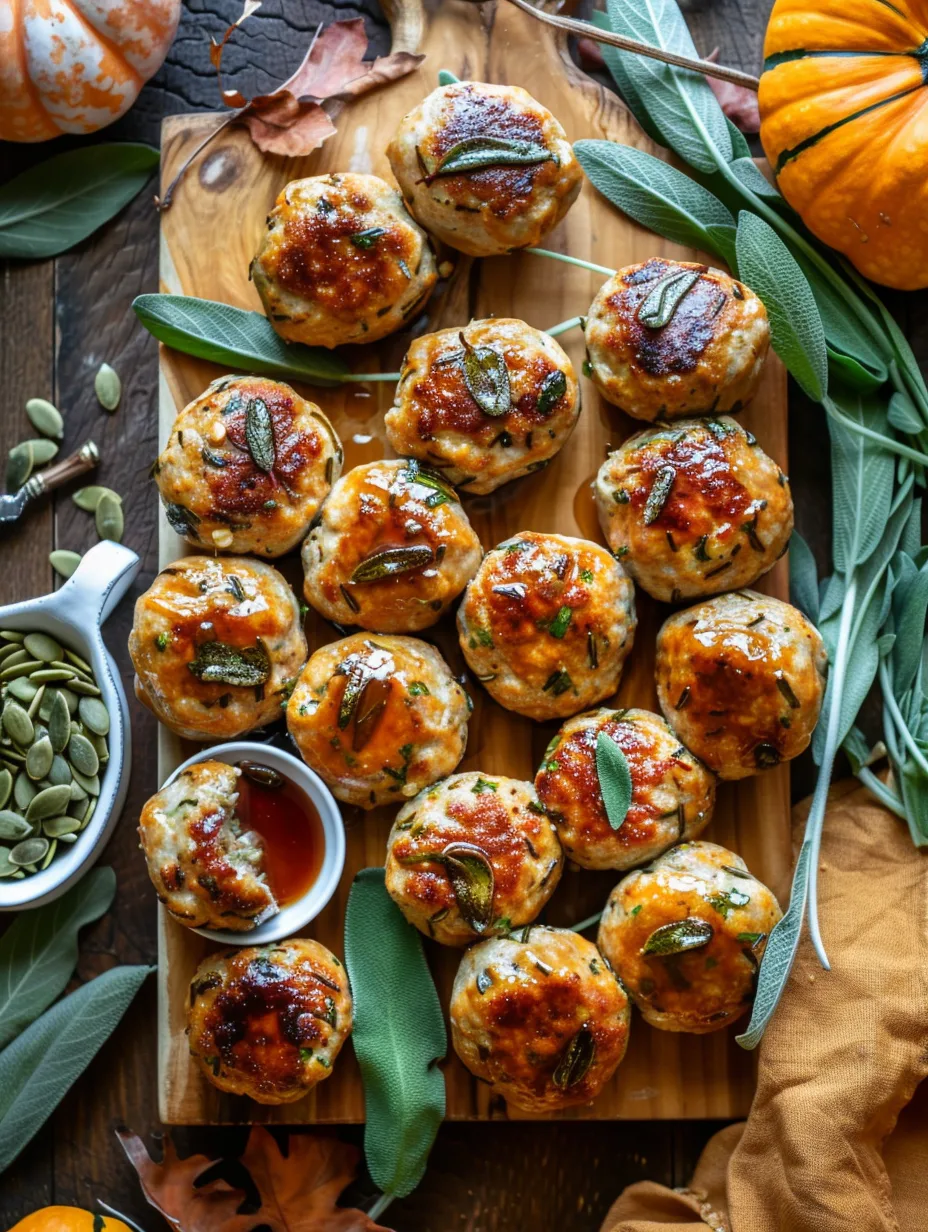
For elegant appetizers, arrange meatballs on a rustic wooden board or slate serving platter. Insert decorative toothpicks topped with fresh sage leaves into each meatball, creating a mini forest of autumn colors. Drizzle warm brown butter sage sauce in an artistic pattern across the board, allowing some meatballs to nestle in the sauce while others remain pristine. Scatter roasted pumpkin seeds and pomegranate arils around for pops of color and texture. This presentation style is perfect for cocktail parties or as a Thanksgiving appetizer course.
For family-style serving, pile meatballs in a large, shallow serving bowl or pasta platter. Create a bed of creamy polenta or cauliflower mash at the bottom, then arrange meatballs on top. Finish with a generous drizzle of pan sauce, a sprinkle of freshly grated Parmesan, and a crown of crispy fried sage leaves. The contrast between the creamy base and the golden meatballs creates visual interest while the height adds drama to your table.
For individual plating (perfect for a sit-down Thanksgiving dinner), place three to four meatballs slightly off-center on each plate. Add a generous swipe of pumpkin puree or butternut squash sauce across the plate, then arrange the meatballs partially on the sauce. Garnish with microgreens, a single fried sage leaf, and a light dusting of smoked paprika. This restaurant-style presentation elevates these delicious dishes to fine dining status.
For buffet service, use a slow cooker set to “warm” filled with your favorite sauce (cranberry glaze, mushroom gravy, or simple pan sauce). Add cooked meatballs and let guests serve themselves with a slotted spoon. Place small plates and cocktail forks nearby. This no-fuss approach keeps meatballs at perfect serving temperature for hours while requiring zero attention from you.
For a stunning centerpiece, create a meatball “wreath” on a large round platter. Arrange meatballs in a circle, leaving the center empty for a bowl of dipping sauce. Tuck fresh herbs, small pumpkins, gourds, and autumn leaves between meatballs to create a festive, seasonal display. This interactive presentation encourages guests to pick their favorites while serving as gorgeous table décor.
Color contrast matters: These golden-brown meatballs benefit from garnishes in contrasting colors. Deep green herbs, bright orange pumpkin sauce, white cheese shavings, and ruby-red cranberry elements all create visual excitement that makes people eager to taste what you’ve created.
Garnish with intention: Fresh sage leaves (either raw or quickly fried until crispy), microgreens, edible flowers, lemon zest, or even gold leaf for special occasions add professional polish. But remember—garnishes should be edible and complement the flavors, never just decoration for decoration’s sake.
Recommended Side Dishes and Pairings
The best Thanksgiving ground turkey recipes shine brightest when paired thoughtfully with complementary sides. Here are winning combinations that create memorable meals:
Grain-based sides provide satisfying substance alongside these protein-rich meatballs. Creamy parmesan polenta creates a luxurious base that soaks up pan juices beautifully. Wild rice pilaf with dried cranberries and pecans adds nutty flavors and textural contrast. Herb-roasted farro or quinoa tossed with roasted vegetables brings wholesome earthiness that enhances the sage and pumpkin flavors.
Vegetable sides balance richness with freshness. Roasted Brussels sprouts with maple glaze echo the sweet-savory balance of the meatballs themselves. Garlicky sautéed green beans with almonds add crunch and color. A simple arugula salad with shaved Parmesan, pumpkin seeds, and lemon vinaigrette cuts through richness with bright, peppery notes. Roasted root vegetables—carrots, parsnips, and sweet potatoes—create a cohesive autumn flavor profile.
Potato preparations are always crowd-pleasers with Thanksgiving ground turkey recipes. Garlic herb mashed potatoes provide creamy comfort. Crispy roasted fingerling potatoes with rosemary add textural interest. Sweet potato mash with brown butter creates complementary sweetness without overwhelming the dish. For something different, try celery root puree—its subtle, sophisticated flavor won’t compete with the meatballs.
Sauce pairings elevate these meatballs from good to extraordinary. Classic options include turkey gravy, mushroom cream sauce, or simple brown butter with crispy sage. For something unique, try cranberry-orange glaze, which adds tangy sweetness that plays beautifully with pumpkin. Apple cider reduction brings fall flavors to the forefront, while a light balsamic glaze adds sophisticated acidity. Pumpkin cream sauce doubles down on the autumn theme for true pumpkin lovers.
Bread accompaniments are perfect for soaking up delicious sauces. Warm, crusty artisan bread, buttery dinner rolls, or cornbread muffins all work beautifully. For something special, make sage and parmesan biscuits that echo the meatball flavors while adding buttery richness.
Beverage pairings complete the experience. For wine lovers, choose medium-bodied reds like Pinot Noir or Sangiovese that complement without overpowering. White wine enthusiasts should try Chardonnay with light oak or Viognier. For non-alcoholic options, sparkling apple cider, cranberry spritzers, or sage-infused lemonade all work beautifully.
Complete meal suggestions:
- Family dinner: Pumpkin sage meatballs over garlic mashed potatoes with roasted green beans and dinner rolls
- Elegant dinner party: Meatballs with creamy polenta, roasted Brussels sprouts, arugula salad, and warm bread
- Thanksgiving feast addition: Serve as an appetizer before the main meal, or as an alternative main for those who prefer smaller portions
- Casual gathering: Meatballs in slow cooker with cranberry glaze, served with wild rice and a simple green salad
Storage Tips and Reheating Advice
Proper storage ensures these Thanksgiving ground turkey recipes taste just as amazing as leftovers, making them perfect for meal prep or make-ahead holiday planning:
Cooling and storing: Allow meatballs to cool completely before storing—this prevents condensation that leads to sogginess. Once cooled, transfer to airtight containers, separating layers with parchment paper to prevent sticking. Store in the refrigerator for up to 4 days. For optimal freshness, store sauce separately and add when reheating. This prevents meatballs from becoming mushy.
Freezing for later: These meatballs freeze beautifully, making them ideal for advance preparation. Arrange cooled meatballs in a single layer on a parchment-lined baking sheet and freeze until solid (about 2 hours). Transfer frozen meatballs to freezer-safe bags or containers, removing as much air as possible. Properly frozen, they’ll maintain quality for up to 3 months. Label with the date and reheating instructions for future convenience.
Make-ahead strategy: For stress-free holiday entertaining, prepare meatballs through the cooking stage 1-2 days before your event. Store refrigerated, then reheat just before serving. Alternatively, form uncooked meatballs, arrange on a sheet pan, and refrigerate covered for up to 24 hours before cooking. This approach saves time on busy days while ensuring fresh-cooked flavor.
Reheating methods:
Oven reheating (best for maintaining texture): Preheat oven to 350°F. Arrange meatballs in a single layer in a baking dish, add a few tablespoons of broth or sauce to prevent drying, cover with foil, and heat for 15-20 minutes until warmed through (internal temperature 165°F). Remove foil for the last 5 minutes to restore some exterior crispness.
Stovetop reheating (best for quick needs): Place meatballs in a large skillet with ¼ cup broth, sauce, or water. Cover and heat over medium-low for 10-12 minutes, gently stirring occasionally, until heated through. This method works especially well when you want to coat them in fresh sauce.
Microwave reheating (fastest but can affect texture): Arrange meatballs in a single layer on a microwave-safe plate, cover with a damp paper towel to retain moisture, and heat on 70% power in 30-second intervals, rotating between each interval. This prevents hot spots while ensuring even heating. While convenient, microwaving can make meatballs slightly rubbery, so use this method only when time is critical.
Slow cooker reheating (perfect for parties): Transfer meatballs to your slow cooker with sauce, set to low, and heat for 1-2 hours. This method keeps them at perfect serving temperature throughout your event without any additional attention.
From frozen: For best results, thaw frozen meatballs overnight in the refrigerator before reheating. If cooking from frozen, add 50% more time to any reheating method and ensure they reach 165°F internal temperature throughout. Oven reheating works best for frozen meatballs—use the same method as refrigerated but increase time to 25-30 minutes.
Quality maintenance tips:
- Always reheat only what you’ll eat—repeated reheating degrades quality
- Add a splash of fresh sauce or broth when reheating to restore moisture
- Don’t reheat at high temperatures, which dry out lean turkey
- Taste and adjust seasoning after reheating—flavors can mellow over time
Food safety reminder: Never leave cooked meatballs at room temperature for more than 2 hours (1 hour if the temperature is above 90°F). Always refrigerate promptly after cooking or serving. When reheating, ensure the internal temperature reaches 165°F for food safety.
 DINNER
 LUNCH
LUNCH Desserts
 BREAKFAST
For more amazing recipes, be sure to check out our other sections to explore a variety of ideas that will enrich your cooking experience. Each section offers its own unique flavors to ensure a delightful culinary journey:
Easy and Quick Recipes: A collection of dishes that guarantee delicious meals with minimal effort and time.
Healthy Recipes: Discover healthy and delicious options that fit your lifestyle.
Desserts: A diverse selection of sweets that will add a special touch of sweetness to your table.
Lunch Recipes: Tasty lunch ideas that you can easily prepare to delight your family.
Dinner Recipes: Delicious and easy-to-make recipes that will make your dinner a memorable occasion.

Frequently Asked Questions
Q1: Can I make these Pumpkin Sage Meatballs ahead of time for Thanksgiving?
Absolutely! These Thanksgiving ground turkey recipes are perfect for make-ahead meal planning. You have several options depending on how far in advance you want to prepare. For 1-2 days ahead, cook the meatballs completely, cool them thoroughly, and store in airtight containers in the refrigerator. Reheat using the oven method before serving. For up to one month ahead, freeze the cooked meatballs using the flash-freezing method described above. Alternatively, you can form the uncooked meatballs and refrigerate them for up to 24 hours before cooking—this actually helps the flavors meld beautifully. On Thanksgiving Day, simply cook them fresh for the best texture. If you’re pressed for time during the holidays, the slow cooker reheating method keeps them warm and ready throughout your gathering without any babysitting. This flexibility makes them ideal for busy holiday schedules when you’re juggling multiple dishes and want some components handled in advance.
Q2: Why do my turkey meatballs always turn out dry, and how does this recipe prevent that?
Dry turkey meatballs are the most common complaint with ground turkey dishes because turkey is naturally very lean compared to beef or pork. This recipe specifically addresses that challenge through several moisture-boosting techniques. First, the pumpkin puree adds significant moisture throughout the mixture—this isn’t just for flavor but essential hydration. Second, the breadcrumbs soaked in the pumpkin-egg mixture create what chefs call a “panade,” which keeps the proteins from binding too tightly and squeezing out moisture during cooking. Third, the recipe uses 93% lean turkey rather than 99% lean—that small amount of fat is crucial for juiciness. Fourth, the Parmesan cheese adds fat and moisture while enhancing flavor. Finally, the cooking method matters: gentle medium heat allows even cooking without drying out the exterior before the interior is done. If you follow these steps and avoid overcooking (use a thermometer!), you’ll achieve perfectly moist meatballs every time. The key is treating ground turkey differently than ground beef—it needs extra care and moisture-adding ingredients to shine in easy homemade recipes like this one.
Q3: Can I substitute canned pumpkin with fresh pumpkin puree, and will it change the recipe?
You can definitely use fresh pumpkin puree in these Thanksgiving ground turkey recipes, though it requires some consideration. Fresh pumpkin puree, made by roasting sugar pumpkins (pie pumpkins) and pureeing the flesh, has a different moisture content than canned—it’s typically wetter and less consistent. If using fresh puree, you may need to reduce moisture elsewhere in the recipe by decreasing eggs slightly or increasing breadcrumbs by 2-3 tablespoons. The flavor will be somewhat different—fresher and slightly less concentrated—but still delicious. To make fresh pumpkin puree, cut a sugar pumpkin in half, remove seeds, place cut-side down on a parchment-lined baking sheet, and roast at 400°F for 45-60 minutes until completely tender. Cool, scoop out the flesh, and puree until smooth. Let it drain in a fine-mesh strainer for 15-20 minutes to remove excess liquid before using. Honestly, while fresh pumpkin is wonderful, canned pure pumpkin is more reliable for this recipe because its consistency is standardized, which helps ensure your meatballs turn out perfectly every time. Many professional chefs actually prefer canned pumpkin for baking and cooking for this very reason—it’s not a compromise on quality but rather a choice for consistency and convenience.
Q4: What’s the best sauce to serve with these meatballs?
The beauty of these Thanksgiving ground turkey recipes is their versatility with sauces! For a traditional Thanksgiving flavor profile, turkey gravy or mushroom gravy is perfect—the earthy richness complements the sage and pumpkin beautifully. Brown butter sage sauce is my personal favorite: simply melt butter in a pan until golden brown, add fresh sage leaves until crispy, and drizzle over the meatballs. It’s elegant and enhances the existing sage without overwhelming it. For something sweeter, cranberry-orange glaze brings bright acidity that cuts through the richness—cook fresh cranberries with orange juice and honey until syrupy, then toss the meatballs in it. Pumpkin cream sauce doubles down on autumn flavors: combine heavy cream with pumpkin puree, sage, and Parmesan for a luscious coating. Apple cider reduction offers sweet-tangy notes that feel very seasonal—reduce apple cider by half with a touch of apple cider vinegar and butter. For lighter options, try a simple pan sauce made with chicken broth and white wine, or a herb-forward sauce with parsley, thyme, and lemon. If you’re serving these as appetizers, offer multiple dipping sauces in small bowls: honey mustard, garlic aioli, and balsamic reduction give guests variety. The meatballs are well-seasoned enough to stand alone, so don’t feel obligated to add sauce—but when you do, choose one that complements rather than masks the pumpkin and sage flavors you worked so hard to develop.
Q5: Are these meatballs suitable for meal prep, and how should I incorporate them into weekly meals?
These Thanksgiving ground turkey recipes are absolutely fantastic for meal prep! Their balanced nutrition—lean protein, vegetables (pumpkin counts!), and moderate carbs—makes them ideal for healthy weekly planning. Here’s how to maximize their meal prep potential: Cook a double batch on Sunday, then portion them into containers with different accompaniments for variety throughout the week. Monday could be meatballs over zucchini noodles with marinara, Tuesday over quinoa with roasted vegetables, Wednesday in a grain bowl with mixed greens and tahini dressing, Thursday tucked into whole wheat pitas with cucumber and yogurt sauce, and Friday over sweet potato mash with sautéed kale. They also work beautifully in lunchbox scenarios—kids love them cold or room temperature with dipping sauce, cherry tomatoes, and crackers. For busy professionals, portion 4-5 meatballs with a serving of grains and vegetables into glass containers; they reheat beautifully in the microwave at work. The pumpkin keeps them moist even when reheated multiple times throughout the week, unlike many other ground turkey dishes that dry out. From a nutritional standpoint, each serving (about 4 meatballs) provides approximately 25-30 grams of protein, making them satisfying enough to be the centerpiece of any meal. Their versatility means you won’t get bored eating them multiple times per week—just change up your sides, sauces, and presentation. This is truly one of those delicious dishes that tastes as good on day five as it did on day one.
Conclusion
These Pumpkin Sage Meatballs represent everything wonderful about Thanksgiving ground turkey recipes—they’re comforting yet sophisticated, traditional yet creative, and absolutely bursting with the flavors we crave during the holiday season. Whether you’re looking for an impressive appetizer to kick off your feast, a unique main course that breaks from tradition while honoring it, or simply a delicious way to enjoy Thanksgiving ground turkey, this recipe delivers on every front.
What I love most about these meatballs is how they bring people together. I’ve watched picky eaters become enthusiastic fans, seen them disappear from party platters in minutes, and received countless messages from readers who’ve made them their own holiday tradition. The combination of tender turkey, sweet pumpkin, and aromatic sage creates something truly magical—a dish that tastes like autumn feels and proves how versatile Thanksgiving ground turkey can be.
The beauty of this recipe lies not just in its flavors but in its flexibility. Make them ahead and freeze them for stress-free entertaining. Double the batch for meal prep that carries you through a busy week. Serve them as elegant appetizers or casual family dinner fare. Pair them with traditional sides or unexpected accompaniments. However you choose to prepare and serve them, these meatballs will become one of your go-to Thanksgiving ground turkey recipes and a beloved addition to your family’s recipe collection.
When exploring Thanksgiving ground turkey ideas, many people stick with chili or casseroles, but these Pumpkin Sage Meatballs offer a refreshing alternative. They capture the warmth of the season while giving you a new way to highlight the best qualities of ground turkey during the holidays. That’s why they’re quickly becoming one of the most talked-about Thanksgiving ground turkey recipes among my readers.
Now it’s your turn to bring these flavors to life in your own kitchen! Try this recipe for your next gathering—whether that’s Thanksgiving ground turkey meatballs served as appetizers, a cozy weeknight dinner, or part of your festive menu. Don’t be afraid to make it your own by experimenting with different herbs, sauces, or serving styles. Cooking should be joyful and creative, and this dish provides the perfect canvas for your personal touches.
After you’ve made these Pumpkin Sage Meatballs, I’d love to hear about your experience! Did you serve them as an appetizer or main course? What sides did you pair them with? Did you make any creative modifications? Share your photos, stories, and variations in the comments below—your insights might inspire someone else’s holiday menu. And if you loved this recipe as much as my family does, please share it with friends searching for fresh Thanksgiving ground turkey ideas.
Here’s to creating delicious memories, one perfectly seasoned meatball at a time. Happy cooking, and happy Thanksgiving!