Table of Contents
Table of Contents
Thanksgiving appetizer recipes hold a special place in my heart, taking me back to afternoons spent in my grandmother’s warm kitchen. I was maybe seven years old, standing on a wooden stool beside her massive farmhouse table, arranging colorful vegetables while she shared stories about feeding our large extended family.
She taught me that the best thanksgiving appetizer recipes aren’t just about filling hungry bellies before the main feast. They’re about creating moments of joy and anticipation. That’s when she introduced me to her famous turkey veggie tray—a playful, healthy creation that made even my veggie-hesitant cousins reach for carrots and peppers.
Years later, I still make that same turkey veggie tray every Thanksgiving. It’s become one of my go-to thanksgiving appetizer recipes because it’s fun to create, healthy, and keeps guests satisfied without spoiling their appetite for dinner.
This adorable centerpiece transforms ordinary vegetables into an edible work of art. Whether hosting your first Thanksgiving or your fiftieth, this turkey veggie tray will become one of your family favorite recipes.
Ingredients
Explanation of Key Ingredients and Their Role
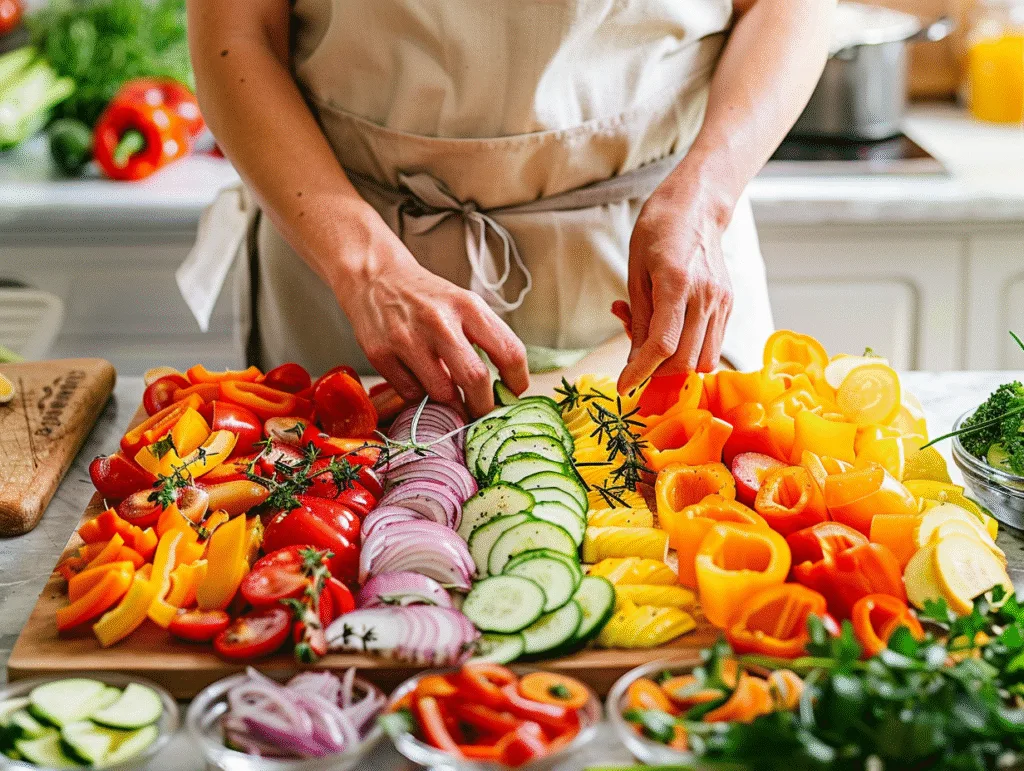
The beauty of thanksgiving appetizer recipes like this turkey veggie tray lies in the variety of fresh vegetables. Each colorful ingredient serves both a visual and nutritional purpose, making this one of the most delicious dishes for health-conscious guests.
Bell peppers form the foundation of your turkey’s vibrant tail feathers. Use red, yellow, and orange peppers to create stunning layers of color. These sweet peppers provide crunch and are packed with vitamin C, making them perfect for easy homemade recipes.
Cucumbers and celery create the outer “feathers” of your turkey display. Their mild flavor and crisp texture make them ideal vehicles for dipping. Slice cucumbers into spears or rounds, depending on your preferred presentation style.
Baby carrots add bright orange color and natural sweetness. They’re essential for creating contrast in your thanksgiving appetizer recipes. You can also use rainbow carrots for an even more festive look.
Broccoli and cauliflower florets add dimension and texture to the center of your turkey body. These cruciferous vegetables are nutrient powerhouses and provide a satisfying crunch that complements other vegetables.
Cherry tomatoes add pops of red throughout the arrangement. Use them to fill gaps and create visual balance in your thanksgiving veggie display.
Tips for Selecting the Best Quality Ingredients
Choosing fresh, high-quality vegetables is crucial for successful thanksgiving appetizer recipes. Your turkey veggie tray will be a centerpiece, so ingredient quality matters significantly.
Look for firm vegetables without soft spots or blemishes. Bell peppers should have glossy, unwrinkled skin and feel heavy for their size. This indicates freshness and optimal crispness.
Select baby carrots that are bright orange without white spots or sliminess. Fresh carrots should snap cleanly when broken, not bend. For celery, choose stalks that are crisp and tightly packed with fresh leaves.
Choose broccoli and cauliflower with tight, compact florets. Avoid any with yellowing or flowering buds, which indicate they’re past their prime. Fresh florets should be vibrant green or white respectively.
Pick cherry tomatoes that are firm, glossy, and fragrant at the stem end. Avoid any with wrinkled skin or soft spots. The best ones have a slightly sweet aroma.
Buy vegetables 1-2 days before Thanksgiving to ensure maximum freshness. Store them properly in your refrigerator’s crisper drawer until you’re ready to assemble your thanksgiving appetizer recipes.
Substitutions and Alternatives
One wonderful aspect of thanksgiving appetizer recipes like this turkey veggie tray is their flexibility. You can customize based on preferences, dietary needs, or what’s available at your local market.
Swap snap peas for edamame or green beans if you want different textures. Both alternatives provide the same bright green color and work beautifully in thanksgiving veggie arrangements.
Replace traditional vegetables with jicama sticks for a unique, slightly sweet crunch. Jicama’s mild flavor appeals to picky eaters and adds an unexpected element to easy homemade recipes.
Use asparagus spears instead of celery for an elegant twist. Blanch them briefly to maintain their vibrant green color while keeping them crisp.
Substitute radishes for cherry tomatoes if you want a peppery bite. Quarter them to create interesting shapes that add visual appeal to your thanksgiving appetizer recipes.
Try purple cauliflower or Romanesco instead of standard white cauliflower for a unique presentation. These colorful alternatives make your turkey veggie tray even more eye-catching and Instagram-worthy.
Preparation Steps
Initial Prep and Cleaning Tips
Proper preparation is the secret to successful thanksgiving appetizer recipes. Starting with clean, properly prepped vegetables ensures your turkey veggie tray looks professional and tastes amazing.
Wash all vegetables thoroughly under cold running water. Use a vegetable brush for items with thick skin like cucumbers and carrots. This step is crucial for food safety, especially when serving to large groups.
Dry vegetables completely using clean kitchen towels or a salad spinner. Excess moisture can make your thanksgiving appetizer recipes look watery and affect the vegetables’ crispness.
Prep vegetables 1-2 days ahead to save time on Thanksgiving Day. Store each type separately in airtight containers lined with paper towels to absorb moisture. This make-ahead approach is perfect for busy holiday cooking.
Cut bell peppers into uniform strips about 3-4 inches long. Remove all seeds and white membranes for the best flavor and appearance. Reserve one pepper bottom for creating the turkey’s face.
Slice cucumbers into spears or rounds, depending on your design preference. Keep the skin on for added color and nutrients. If using older cucumbers, peel them to avoid bitterness.
Step-by-Step Instructions with Secret Tips
Creating stunning thanksgiving appetizer recipes requires patience and attention to detail. Follow these steps to assemble the perfect turkey veggie tray that will wow your guests.
Choose your serving platter first—a round platter about 18-20 inches works perfectly for a large turkey display. The size matters because you need enough space to create impressive layers.
Position your dip bowl at the bottom edge of the platter, slightly off-center. This becomes the turkey’s body and provides a functional element to your thanksgiving appetizer recipes.
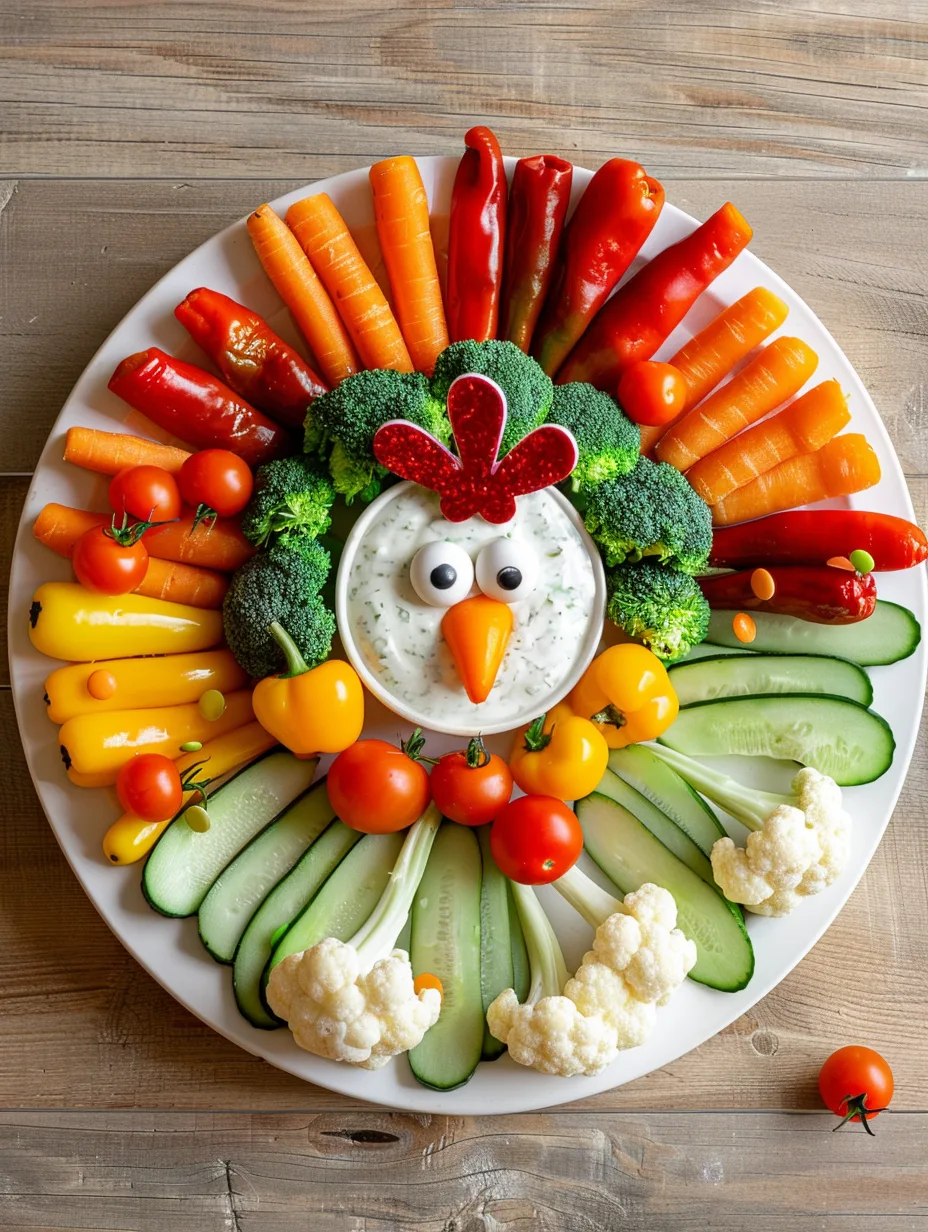
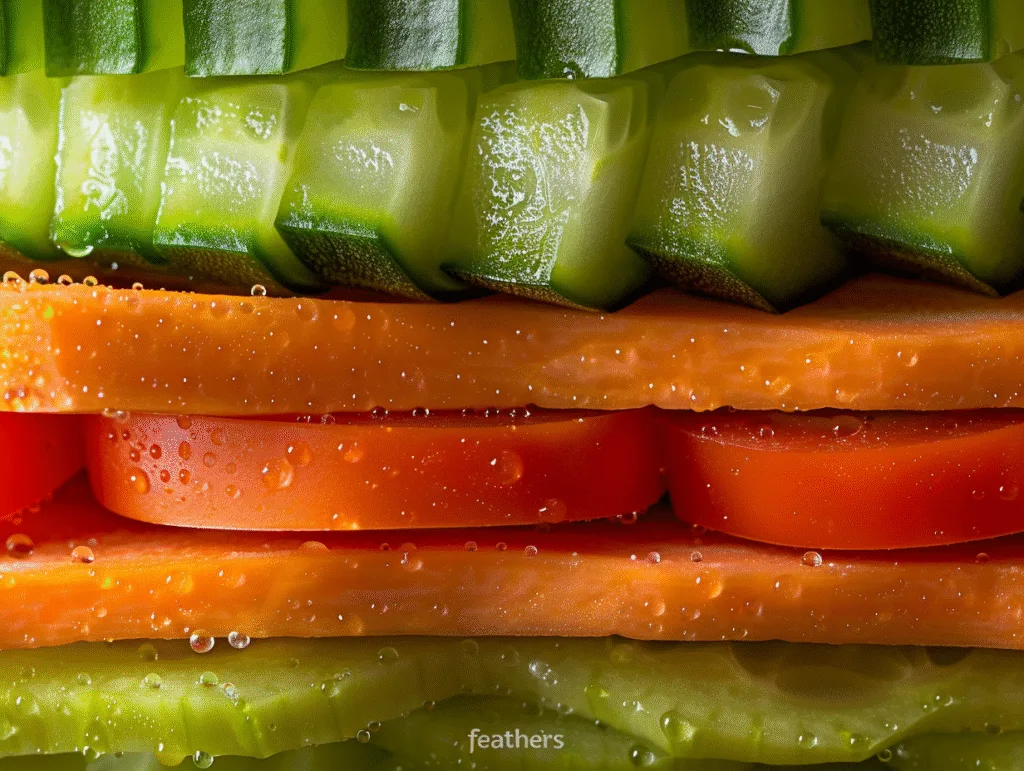
Start with cucumber slices arranged in a semicircle at the top of your platter. Create the first layer of “tail feathers” by overlapping them slightly. Let them extend about an inch over the platter edge for a dramatic effect.
Layer carrots next, placing them in a shorter semicircle inside the cucumber layer. Follow with yellow bell peppers, then red peppers, creating progressively smaller arcs. This creates the beautiful fanned tail that makes this one of the most delicious dishes.
Add broccoli and cauliflower tightly around the dip bowl to form the turkey’s body. Fill any gaps with cherry tomatoes to add pops of color throughout the arrangement.
Arrange snap peas in a small arc at the bottom, connecting the tail to the body. This creates visual flow in your thanksgiving appetizer recipes.
Create the turkey face using the bottom of a red bell pepper. Attach candy eyeballs (found in the baking aisle) or use black olive slices. Cut a small carrot tip into a triangular beak and add a yellow pepper piece for the wattle.
Pro tip: Slightly overlap vegetables rather than leaving gaps. This creates a fuller, more professional appearance that elevates your easy homemade recipes to restaurant quality.
Secret technique: Lightly mist the assembled tray with water before covering. This keeps vegetables crisp and prevents them from drying out if made several hours ahead.
Common Mistakes and How to Avoid Them
Even experienced cooks can encounter challenges with thanksgiving appetizer recipes. Learning from common pitfalls helps you create a flawless turkey veggie tray every time.
Mistake #1: Using wet vegetables causes the platter to become soggy and unappealing. Always pat vegetables completely dry after washing. Moisture is the enemy of crisp, beautiful thanksgiving veggie displays.
Mistake #2: Cutting vegetables too large makes them difficult to eat at social gatherings. Keep pieces bite-sized or easy to break. Remember, thanksgiving appetizer recipes should be convenient finger foods.
Mistake #3: Assembling too far in advance can lead to wilted vegetables. While you can prep ingredients days ahead, assemble the tray no more than 24 hours before serving.
Mistake #4: Overcrowding the platter makes it difficult to grab individual pieces. Leave some breathing room between layers so guests can easily access their favorite vegetables.
Mistake #5: Forgetting to secure the turkey face properly causes it to tip over. Use a small amount of cream cheese or the dip itself as “glue” to keep facial features in place.
Thanksgiving Turkey Veggie Tray
Ingredients
Nutrition
Tried this recipe?
Let us know how it was!Serving & Final Touches
Creative Presentation Ideas
The presentation elevates thanksgiving appetizer recipes from simple to spectacular. These creative touches transform your turkey veggie tray into an unforgettable centerpiece.
Use a wooden cutting board instead of a traditional platter for a rustic, farmhouse aesthetic. This works beautifully for casual Thanksgiving gatherings and adds warmth to your table.
Create multiple small turkey trays rather than one large one for buffet-style serving. This allows guests easier access and maintains the display’s integrity throughout the event.
Add fresh herb sprigs like rosemary or thyme around the edges of your platter. These aromatic additions complement the vegetables and enhance the overall presentation of your thanksgiving appetizer recipes.
Incorporate edible flowers like nasturtiums or pansies for an elegant touch. These colorful blooms are completely safe to eat and add sophistication to easy homemade recipes.
Use varied heights by propping up certain vegetables with small bowls underneath sections of the display. This three-dimensional approach makes your turkey veggie tray more visually interesting.
Recommended Side Dishes or Pairings
Pairing your turkey veggie tray with complementary thanksgiving appetizer recipes creates a well-rounded appetizer spread that satisfies diverse tastes.
Serve ranch dip as the classic accompaniment. Mix sour cream with dry ranch seasoning for an easy, crowd-pleasing option. You can prepare this dip 2-3 days ahead.
Offer hummus as a healthier alternative to traditional dips. Butternut squash hummus adds festive fall flavor that perfectly complements thanksgiving veggie displays.
Include a cheese ball covered in pecans nearby. This provides a richer, more indulgent option alongside the lighter vegetables, creating balance in your thanksgiving appetizer recipes.
Add crackers and crostini around the perimeter for guests who want something more substantial. These carb options help fill people up without ruining appetites for the main meal.
Pair with candied pecans or mixed nuts in small bowls. These provide protein and healthy fats that keep energy levels stable while waiting for dinner.
Storage Tips and Reheating Advice
Proper storage ensures your thanksgiving appetizer recipes stay fresh and delicious throughout your celebration. These tips help maintain quality from prep to serving.
Store prepped vegetables in separate airtight containers for up to 48 hours before assembling. Layer them with slightly damp paper towels to maintain moisture without making them soggy.
Cover the assembled tray tightly with plastic wrap, ensuring it doesn’t touch the vegetables. The wrap should tent over the display to prevent crushing the carefully arranged pieces.
Refrigerate immediately after assembly. Never leave your turkey veggie tray at room temperature for more than 2 hours to ensure food safety.
Refresh the display before serving by removing any wilted pieces and adding fresh vegetables if needed. A quick mist of cold water revitalizes the appearance of your thanksgiving appetizer recipes.
Store leftover vegetables in containers with tight-fitting lids. They’ll stay fresh for 3-4 days and can be used in salads, stir-fries, or as quick snacks.
 DINNER
 LUNCH
LUNCH Desserts
 BREAKFAST
For more amazing recipes, be sure to check out our other sections to explore a variety of ideas that will enrich your cooking experience. Each section offers its own unique flavors to ensure a delightful culinary journey:
Easy and Quick Recipes: A collection of dishes that guarantee delicious meals with minimal effort and time.
Healthy Recipes: Discover healthy and delicious options that fit your lifestyle.
Desserts: A diverse selection of sweets that will add a special touch of sweetness to your table.
Lunch Recipes: Tasty lunch ideas that you can easily prepare to delight your family.
Dinner Recipes: Delicious and easy-to-make recipes that will make your dinner a memorable occasion.
FAQ: Thanksgiving Appetizer Recipes
Q: How far in advance can I make my turkey veggie tray?
You can prepare all the vegetables and cut them 2 days before Thanksgiving. Store each type separately in airtight containers in the refrigerator. Assemble the complete turkey veggie tray up to 24 hours ahead of serving. Cover it tightly with plastic wrap and keep refrigerated. This make-ahead approach is one of the reasons these thanksgiving appetizer recipes are so popular—they save precious time on the busy holiday.
Q: What dips work best with thanksgiving veggie appetizers?
Ranch dressing remains the most popular choice for thanksgiving appetizer recipes featuring vegetables. You can make homemade ranch by combining sour cream with dry ranch seasoning mix. Other excellent options include hummus (especially butternut squash hummus for fall flavor), spinach artichoke dip, or a simple Greek yogurt-based dip with fresh herbs. Offer at least two dip varieties to accommodate different taste preferences.
Q: How many people does a turkey veggie tray serve?
A standard turkey veggie tray serves approximately 12-16 people as part of a larger appetizer spread. If this is your only thanksgiving appetizer, plan for 1.5-2 cups of vegetables per person. For larger gatherings, consider making two smaller turkey trays rather than one enormous one—this allows better access for guests and maintains the presentation throughout your event.
Q: Can I make this turkey veggie tray kid-friendly?
Absolutely! These thanksgiving appetizer recipes are perfect for children. Let kids help arrange the vegetables to get them excited about eating healthy foods. Use vegetables they already enjoy, and cut pieces into manageable, bite-sized portions. Add cherry tomatoes and baby carrots since most children find these appealing. Consider offering a mild dip like ranch or a cheese-based option rather than spicy alternatives.
Q: What vegetables should I avoid using for a turkey veggie tray?
Avoid vegetables that brown quickly when cut, like avocados or artichokes, unless you’re serving immediately. Skip watery vegetables such as zucchini, which can make the platter soggy. Steer clear of strong-flavored items like raw onions that might overpower the milder vegetables in your thanksgiving appetizer recipes. Also avoid vegetables that are difficult to eat with hands, like whole Brussels sprouts, which aren’t practical for casual grazing.
Make This Your New Thanksgiving Tradition
Creating thanksgiving appetizer recipes like this turkey veggie tray brings joy to both the cook and the guests. The process is simple enough for beginners yet impressive enough to wow even the most experienced Thanksgiving hosts.
This healthy, colorful display proves that nutritious food can be fun and festive. It keeps hungry family members satisfied while you put finishing touches on the main meal.
The beauty of easy homemade recipes like this is their flexibility. Customize the vegetables based on what’s available, what your family loves, and what creates the most stunning presentation.
I encourage everyone to try making this turkey veggie tray for their next Thanksgiving gathering. Take photos of your creation and share them with family and friends. Better yet, involve children in the assembly process—they’ll be more likely to eat vegetables they helped arrange.
These thanksgiving appetizer recipes create memories that last far beyond the holiday itself. Just like my grandmother’s lessons in her farmhouse kitchen continue to influence my cooking today, your turkey veggie tray might become a treasured tradition in your own family.