Table of Contents
Table of Contents
Mashed potatoes recipes have been a cornerstone of comfort food in my life since I was a little girl. I remember standing on a wooden stool in my grandmother’s kitchen, watching her transform simple potatoes into clouds of creamy perfection. She’d let me help mash them with her old-fashioned masher, and the kitchen would fill with the warm, buttery aroma that meant family was gathering soon.
What I loved most was how she made them taste so rich and luxurious, yet she always told me her secret was keeping things simple and letting the ingredients shine. Years later, when I started focusing on healthier eating, I worried I’d have to give up that creamy, dreamy texture I adored.
But here’s the wonderful news: you absolutely don’t have to sacrifice creaminess to enjoy healthy mashed potatoes . Through trial and error, I’ve discovered that with the right techniques and smart ingredient swaps, you can create mashed potatoes that are both nutritious and incredibly satisfying.
This guide will walk you through everything you need to know about making mashed potatoes recipes that are lighter on calories but heavy on flavor and texture. Whether you’re preparing for a holiday feast or a cozy weeknight dinner, these tips will transform your approach to this beloved side dish.
Ingredients
Explanation of Key Ingredients and Their Role in the Recipe
The foundation of any great mashed potatoes starts with selecting the right type of potato. Yukon Gold potatoes are my personal favorite for healthy mashed potatoes because they have a naturally creamy texture and buttery flavor.
Their thin skins and rich golden color make them perfect for creating that luxurious mouthfeel without adding excessive fats. Russet potatoes are another excellent choice, particularly if you prefer fluffier mashed potatoes.
These white potatoes are high in natural starches, which means they yield light and airy results. Many cooks actually combine both types—about 60% Yukon Gold and 40% Russet—to get the best of both worlds.
Greek yogurt is your secret weapon for creating healthy mashed potatoes recipes without butter or heavy cream. It adds incredible creaminess while boosting the protein content and reducing fat.
Low-fat milk works beautifully to achieve the right consistency, and you can adjust the amount based on how thick or thin you prefer your mash. Extra virgin olive oil is another game-changer for healthy mashed potatoes.
It provides rich, buttery flavor without any actual butter, and the healthy fats help create that silky smooth texture you’re craving. Fresh garlic cloves add depth and aromatic complexity that elevates simple mashed potatoes into something truly special.

Tips for Selecting the Best Quality Ingredients
When shopping for mashed potatoes recipes, look for potatoes that are firm with no soft spots, sprouts, or green patches. Yukon Gold potatoes should have smooth, unblemished skin with an even golden color.
For Russets, choose ones that feel heavy for their size and have minimal eyes or indentations. Size matters when preparing mashed potatoes—medium potatoes cook more evenly than very large ones.
Select Greek yogurt that’s plain and unsweetened for the best results in healthy mashed potatoes recipes. Full-fat Greek yogurt will provide the richest texture, but nonfat or low-fat versions work wonderfully if you’re watching calories.
Choose extra virgin olive oil with a mild, fruity flavor rather than a peppery or bitter variety. This ensures your mashed potatoes taste buttery and smooth rather than overpoweringly olive-y.
Fresh garlic cloves are always superior to pre-minced varieties in jarred form. Look for firm bulbs with tight, papery skins and no signs of sprouting.
Substitutions and Alternatives
If you can’t find Yukon Gold potatoes, yellow potatoes work similarly in mashed potatoes. Red potatoes with the skins left on create a rustic, nutritious version that’s packed with fiber.
For dairy-free mashed potatoes recipes, substitute Greek yogurt with plain unsweetened almond milk or cashew cream. Coconut milk also works beautifully, adding a subtle sweetness that complements savory dishes.
Vegetable broth can replace some or all of the milk in mashed potatoes recipes for a lighter option. Chicken broth adds extra savory depth if you’re not following a vegetarian diet.
Vegan butter alternatives work well if you want to add a small amount of butter flavor without dairy. However, I find that quality olive oil often produces better results in healthy mashed potatoes recipes.
Fresh herbs like rosemary, thyme, or chives can be stirred into mashed potatoes recipes for extra flavor without adding calories. Roasted garlic instead of raw garlic creates a sweeter, more mellow taste.
Preparation Steps
Initial Prep and Cleaning Tips
Begin your mashed potatoes recipes by peeling the potatoes if you prefer a smooth, classic texture. For added nutrition and a rustic feel, you can leave the skins on—just scrub them thoroughly under cold running water.
Rinse peeled potatoes in cold water to remove excess starch. This crucial step allows for lighter and fluffier mashed potatoes recipes without needing unnecessary fats.
Cut the potatoes into evenly sized chunks—this is one of the most important steps for successful mashed potatoes recipes. Halve smaller Yukon Golds and cut larger russets into quarters or sixths.
Consistent sizing ensures all pieces cook at the same rate, preventing some from becoming waterlogged while others remain undercooked. Aim for pieces that are roughly 2-3 inches in size.
Place the cut potatoes in a large pot and cover them completely with cold water by about 1 inch. Starting with cold water rather than hot is essential for great mashed potatoes recipes.
Step-by-Step Cooking Instructions with Secret Tips
Add a tablespoon of salt to the cold water before heating—this seasons the potatoes from the inside out. Don’t be shy with salt; it’s one of the most common mistakes in mashed potatoes recipes.
Bring the water to a boil over high heat, then reduce to medium and maintain a gentle boil. Cook the potatoes until they’re fork-tender, which typically takes 15-20 minutes.
The potatoes are ready when you can easily pierce them with a fork and they feel soft all the way through. Undercooking is a fatal flaw in mashed potatoes recipes—firm centers lead to lumpy results.
While the potatoes cook, warm your low-fat milk in the microwave or on the stove. Using hot milk rather than cold is a professional secret for creamy mashed potatoes recipes.
Drain the cooked potatoes thoroughly in a colander and shake gently to remove excess water. This step is critical—soggy potatoes lead to wet, dense mashed potatoes recipes.
Return the drained potatoes to the hot pot and let them sit for a minute to steam off remaining moisture. This creates the perfect texture foundation for your mashed potatoes recipes.
Begin mashing the potatoes while they’re still hot using a potato masher. Never use a blender or electric mixer for mashed potatoes recipes—this releases too much starch and creates gummy, gluey texture.
Add the Greek yogurt first, incorporating it slowly as you continue mashing. Then gradually add the warm milk, a little at a time, until you reach your desired consistency.
Drizzle in olive oil while mashing to add richness and that butter-like quality to your mashed potatoes recipes. Stir in minced garlic, salt, and pepper, tasting as you go.
Common Mistakes and How to Avoid Them
The biggest mistake in mashed potatoes recipes is over-mixing or using electric appliances. Potatoes release starch when agitated, and too much agitation creates an unpleasant, sticky texture.
Cutting potatoes into uneven pieces is another common error that ruins mashed potatoes recipes. Inconsistent sizes mean uneven cooking—some pieces will be perfect while others are mushy or hard.
Not using enough liquid is a frequent problem in mashed potatoes recipes. Starches absorb moisture as they sit, so what seems like enough liquid initially will result in dry, dense potatoes later.
Waiting to mash cold potatoes makes the job much harder and leads to lumpy mashed potatoes recipes. Always work with hot potatoes fresh from draining.
Failing to season the cooking water adequately results in bland mashed potatoes recipes. Salt the water generously so the potatoes absorb flavor as they cook.
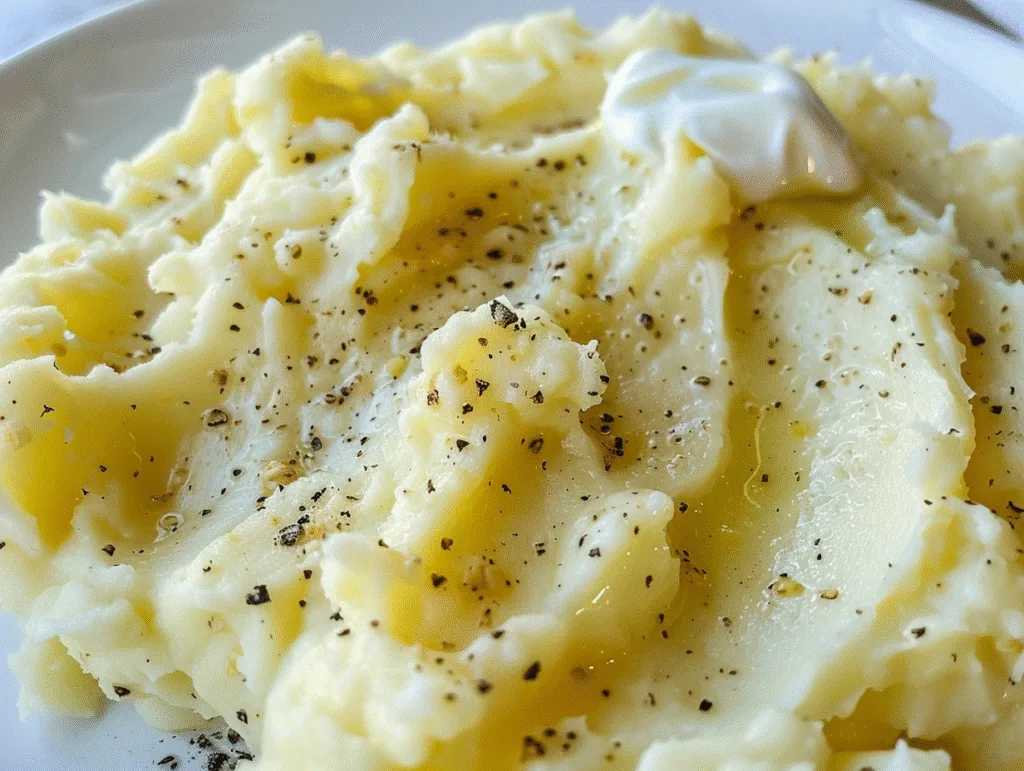
Healthy Mashed Potatoes Recipes Without Losing the Creaminess
Ingredients
Tried this recipe?
Let us know how it was!Serving & Final Touches
Creative Presentation Ideas
For elegant mashed potatoes recipes, use a piping bag with a large star tip to create beautiful swirls on individual plates. This restaurant-quality presentation takes seconds but looks incredibly impressive.
Alternatively, use an ice cream scoop to create uniform, attractive portions of your mashed potatoes recipes. This works especially well for casual family dinners where you want consistency without fuss.
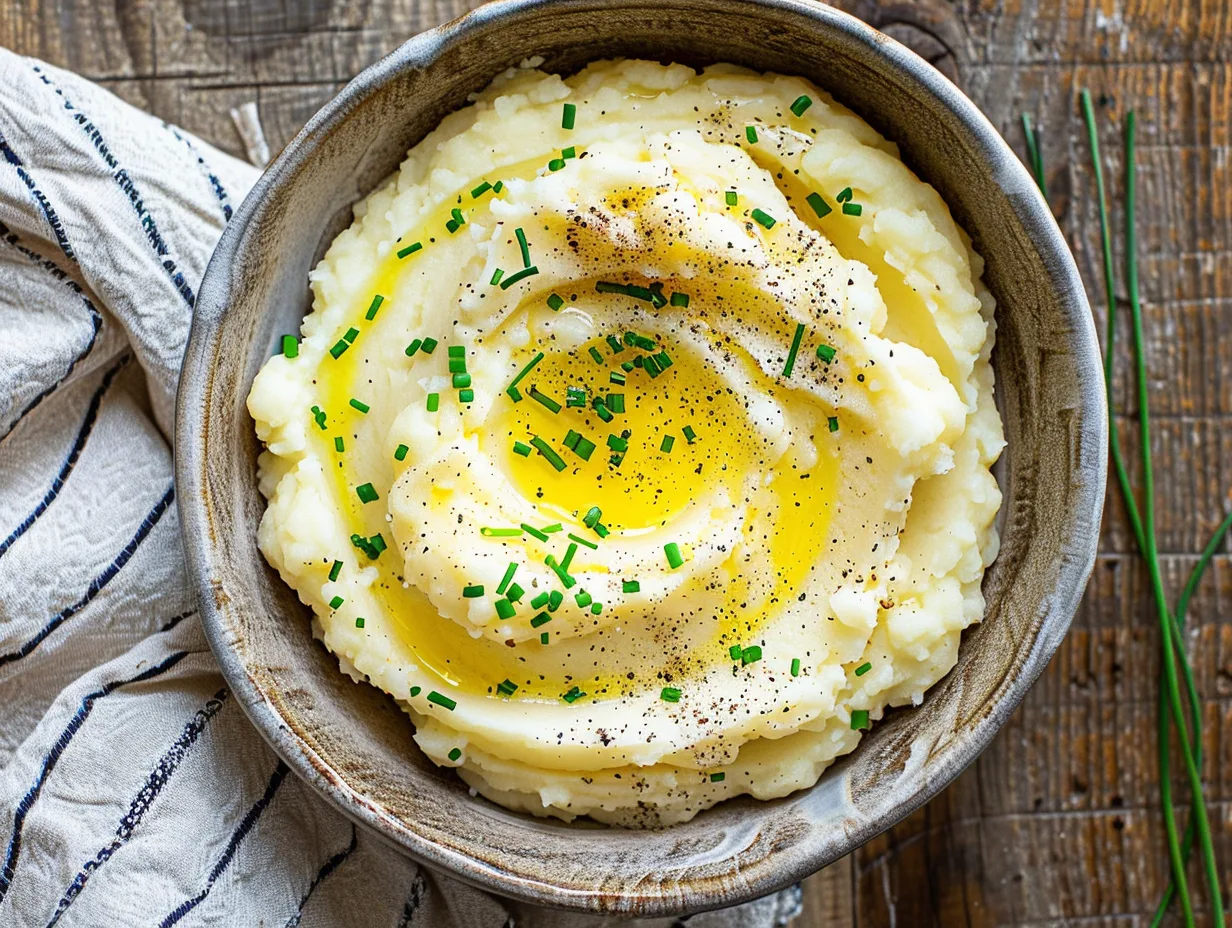
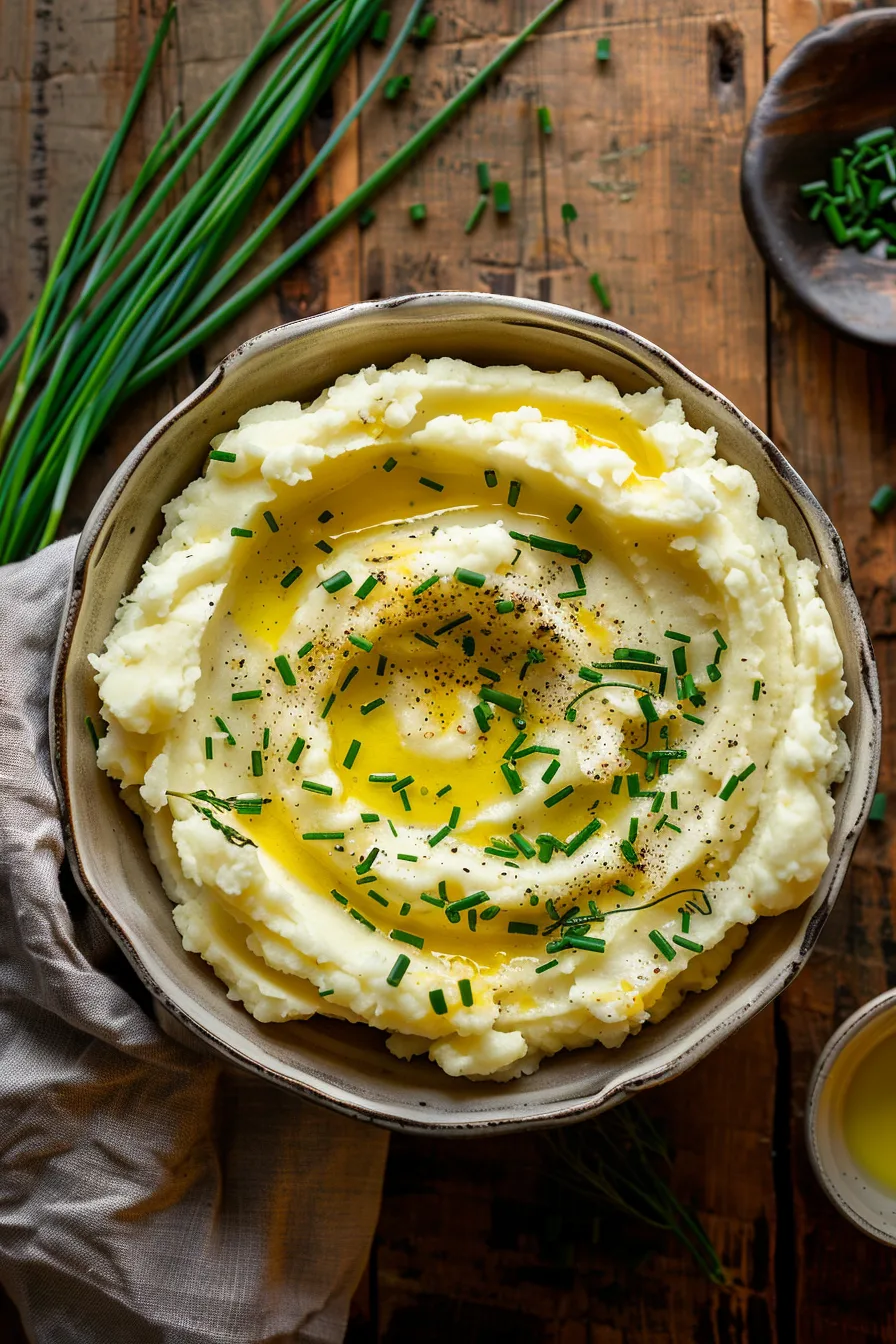
Create a shallow well in the center of your mashed potatoes recipes and fill it with olive oil and fresh herbs. This adds visual appeal and allows diners to customize their serving.
Garnish mashed potatoes recipes with a sprinkle of fresh chives, parsley, or dill for a pop of color. A light dusting of paprika or black pepper adds visual interest and flavor.
For holiday meals, pipe mashed potatoes recipes into individual ramekins and broil for 2-3 minutes until the tops are golden. This creates personal servings with crispy tops that guests adore.
Recommended Side Dishes or Pairings
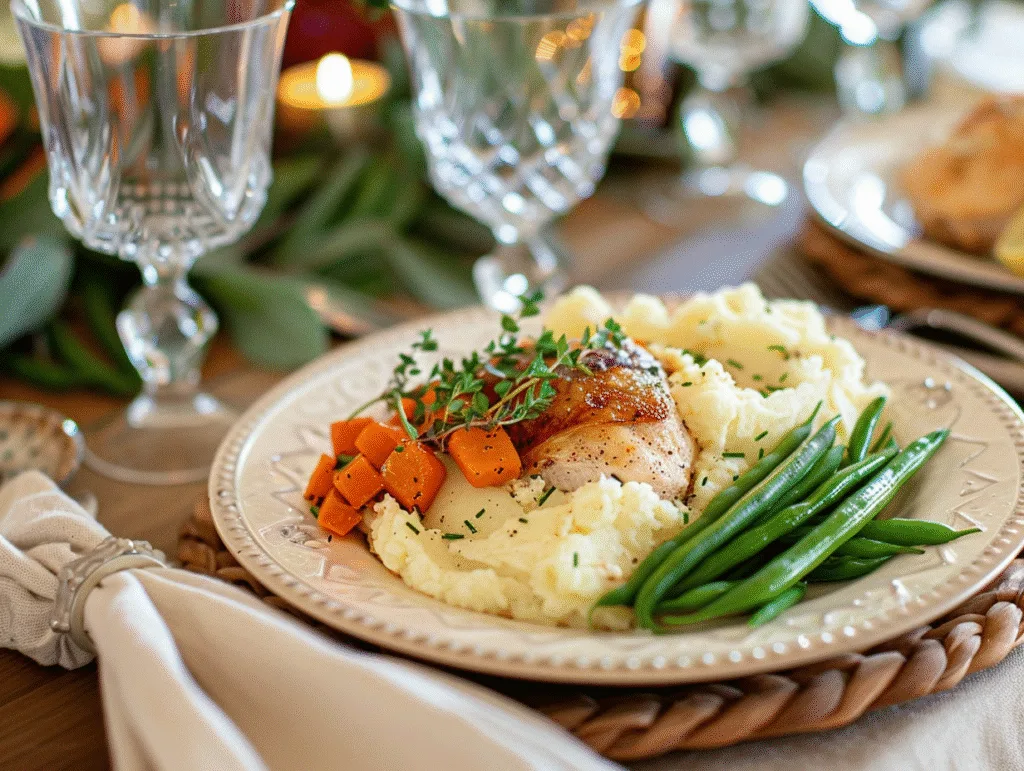
Mashed potatoes recipes pair beautifully with virtually any roasted meat, from classic roast chicken to beef roasts. The creamy texture complements the caramelized exterior of roasted proteins perfectly.
Grilled salmon or baked cod with lemon and capers make excellent light pairings for healthy mashed potatoes recipes. The brightness of the fish balances the rich, comforting nature of the potatoes.
For vegetarian meals, serve mashed potatoes recipes alongside mushroom stroganoff or vegetable pot pie. The earthy flavors of mushrooms create a satisfying, meat-free dinner.
Meatloaf is perhaps the most classic pairing for mashed potatoes recipes. The combination brings nostalgic comfort that’s hard to beat.
Crispy green beans, roasted Brussels sprouts, or glazed carrots provide textural contrast to smooth mashed potatoes recipes. The vegetables add freshness and crunch that balance the meal.
Rich gravies are traditional toppings for mashed potatoes recipes, but don’t overlook alternatives like caramelized onions or sautéed mushrooms. Horseradish sauce or garlic aioli can add gourmet flair.
Storage Tips and Reheating Advice
Cool your leftover mashed potatoes recipes to room temperature before storing. Spread them in a shallow baking dish to speed cooling if you have a large batch.
Transfer cooled mashed potatoes recipes into an airtight container or zip-lock freezer bag, removing as much air as possible. They’ll stay fresh in the refrigerator for 3-4 days.
The best method for reheating mashed potatoes recipes is using a double boiler. Bring water to a boil in the bottom pot, place potatoes in a heatproof bowl on top, and stir occasionally for 6-8 minutes.
Add extra milk or olive oil when reheating mashed potatoes recipes since they dry out as they sit. Start with 2-3 tablespoons per 2 cups of potatoes and adjust as needed.
The microwave works well for reheating small portions of mashed potatoes recipes. Cover with a damp paper towel and heat in 1-minute intervals, stirring between each.
For oven reheating of mashed potatoes recipes, spread them in a baking dish, cover with foil, and warm at 350°F for 20-30 minutes. Stir in additional liquid before heating to prevent dryness.
Avoid stirring reheated mashed potatoes recipes too vigorously, as this can activate the starches again and create gummy texture. Gentle folding is best when incorporating additional liquid.
 DINNER
 LUNCH
LUNCH Desserts
 BREAKFAST
For more amazing recipes, be sure to check out our other sections to explore a variety of ideas that will enrich your cooking experience. Each section offers its own unique flavors to ensure a delightful culinary journey:
Easy and Quick Recipes: A collection of dishes that guarantee delicious meals with minimal effort and time.
Healthy Recipes: Discover healthy and delicious options that fit your lifestyle.
Desserts: A diverse selection of sweets that will add a special touch of sweetness to your table.
Lunch Recipes: Tasty lunch ideas that you can easily prepare to delight your family.
Dinner Recipes: Delicious and easy-to-make recipes that will make your dinner a memorable occasion.
Frequently Asked Questions
Can I make mashed potatoes recipes without any butter or cream?
Absolutely! Greek yogurt, olive oil, and low-fat milk create incredibly creamy mashed potatoes recipes without traditional butter or heavy cream. The key is using naturally creamy Yukon Gold potatoes and incorporating warm liquids gradually while mashing. Many people are surprised to discover that olive oil provides rich, buttery flavor that’s virtually indistinguishable from actual butter in finished mashed potatoes recipes.
What’s the best potato for healthy mashed potatoes recipes?
Yukon Gold potatoes are ideal for healthy mashed potatoes recipes because they have a naturally creamy texture and buttery flavor without requiring excessive fats. Russet potatoes work beautifully if you prefer fluffier results. Many cooks combine both types—approximately 60% Yukon Gold and 40% Russet—to achieve the perfect balance of creaminess and fluffiness in their mashed potatoes recipes.
How do I prevent lumpy mashed potatoes?
Ensure all potato pieces are cut to the same size so they cook evenly. Cook them until they’re completely fork-tender—undercooking is the primary cause of lumpy mashed potatoes recipes. Always mash potatoes while they’re still hot, never after they’ve cooled. Use a hand masher rather than electric mixers or blenders, which can create gummy texture.
Can I make mashed potatoes recipes ahead of time?
Yes! Prepare mashed potatoes recipes up to 2 days in advance and store them in an airtight container in the refrigerator. When ready to serve, reheat using a double boiler method with additional milk or olive oil to restore creaminess. You can also keep prepared mashed potatoes recipes warm for several hours by placing the bowl over a pot of barely simmering water.
How much Greek yogurt should I use in healthy mashed potatoes recipes?
A good ratio is about 1 cup of Greek yogurt per 4 pounds of potatoes. Start with less and add more until you achieve your desired taste and consistency. Nonfat Greek yogurt works perfectly well in mashed potatoes recipes if you’re watching calories, though full-fat provides the richest texture. The yogurt adds protein and tanginess while keeping your mashed potatoes recipes creamy without butter.
Conclusion
Creating healthy mashed potatoes recipes that maintain incredible creaminess is easier than you might think. With the right potato selection, smart ingredient substitutions like Greek yogurt and olive oil, and proper cooking techniques, you can enjoy this comfort food classic without guilt.
The secret lies in understanding that creaminess doesn’t have to come from excessive butter and cream. Natural potato starches, combined with strategic additions of healthy fats and dairy alternatives, create luxurious texture that rivals traditional mashed potatoes recipes.
I encourage you to try these techniques in your own kitchen and discover how satisfying healthy cooking can be. Your family won’t believe these are lighter versions—they’ll just ask for seconds! Share your experience in the comments and let me know which tips worked best for you.