Table of Contents
Table of Contents
Growing up, I remember rushing home from school to find my grandmother already in the kitchen, her apron dusted with flour, preparing what she called her “magic Monday meals.” She had this incredible gift for turning simple pantry staples into the most comforting easy weeknight dinners that would bring our whole family together around the table. Those childhood memories taught me that weeknight cooking doesn’t have to be complicated or time-consuming—it just needs to be delicious, dependable, and something you’ll genuinely look forward to making again and again. The aroma of her one-pan wonders filled the house, and even on the busiest evenings when homework piled up and soccer practice ran late, she never seemed stressed about getting dinner on the table.
In today’s fast-paced world, creating easy weeknight dinners has become more essential than ever. Between work commitments, school activities, errands, and the endless “what’s for dinner?” question that appears every single evening, having a reliable collection of simple, satisfying recipes can transform your weeknight routine. This comprehensive guide will walk you through everything you need to know about mastering easy weeknight dinners—from selecting quality ingredients and avoiding common cooking mistakes to creative presentation ideas and smart storage solutions.
Ingredients
Explanation of Key Ingredients and Their Role
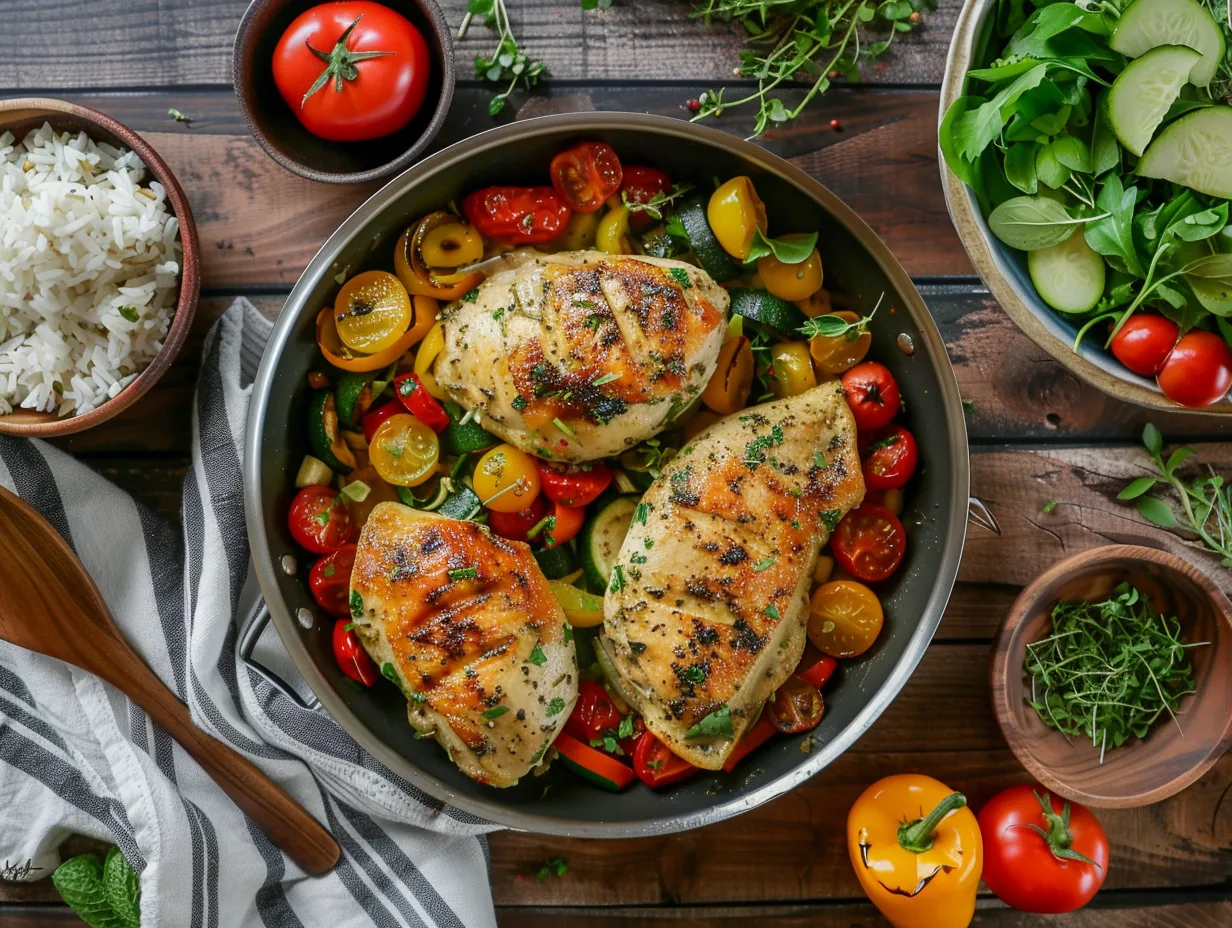
The foundation of successful easy weeknight dinners starts with understanding which ingredients deliver maximum flavor with minimal effort. Proteins form the cornerstone of most weeknight meals, with chicken breasts, ground beef, salmon, and Italian sausage being among the most versatile options. These cook quickly and pair beautifully with various flavor profiles, making them ideal for busy evenings.
Pantry staples are the unsung heroes of easy weeknight dinners, providing depth and convenience when fresh ingredients are limited. Items like canned tomatoes, dried pasta, rice, beans, chicken broth, and olive oil serve as the backbone for countless quick meals. Aromatics such as onions, garlic, and ginger add essential flavor bases that elevate even the simplest dishes.
Quick-cooking vegetables like spinach, cherry tomatoes, zucchini, bell peppers, and pre-washed salad greens dramatically reduce prep time while adding nutritional value and vibrant color to easy weeknight dinners. Frozen vegetables are equally valuable, often pre-cut and flash-frozen at peak freshness, making them perfect for those nights when time is particularly tight.
Flavor enhancers such as store-bought pesto, marinara sauce, curry paste, soy sauce, and various spice blends transform basic ingredients into restaurant-quality easy weeknight dinners without requiring extensive culinary skills. These shortcuts allow home cooks to build complex flavors in minutes rather than hours.
Tips for Selecting the Best Quality Ingredients
Choosing quality ingredients doesn’t mean spending hours at specialty markets or breaking your budget. For proteins, look for chicken breasts that are plump and pink without any gray discoloration, and select ground beef with a bright red color. When purchasing fish for easy weeknight dinners, freshness indicators include firm flesh that springs back when touched, clear eyes, and a mild ocean scent rather than a strong fishy odor.
For produce, seasonal vegetables offer the best flavor and value. During summer months, prioritize tomatoes, zucchini, and bell peppers, while fall and winter call for heartier options like Brussels sprouts, sweet potatoes, and butternut squash. Shopping at farmers’ markets or choosing locally grown options when available ensures peak freshness.
When selecting pantry items for easy weeknight dinners, read labels carefully to avoid unnecessary additives. Choose pasta made from 100% durum wheat, canned tomatoes without added sugars, and broths with recognizable ingredients. Extra virgin olive oil should be stored in a dark bottle to preserve its quality, and dried herbs and spices should be replaced annually as they lose potency over time.
Consider buying pre-prepped ingredients strategically to save time without sacrificing quality. Pre-minced garlic, pre-cut vegetables, rotisserie chicken, and pre-cooked rice are legitimate shortcuts that professional chefs use regularly. The time saved can be redirected toward actually enjoying your easy weeknight dinners with family rather than spending every evening exhausted from meal preparation.
Substitutions and Alternatives
Flexibility is key to mastering easy weeknight dinners, and knowing smart substitutions empowers you to cook confidently even when your pantry isn’t perfectly stocked. For proteins, chicken and turkey are largely interchangeable, as are different types of white fish like cod, tilapia, and halibut. Ground beef can be swapped with ground turkey, pork, or plant-based alternatives in most recipes.
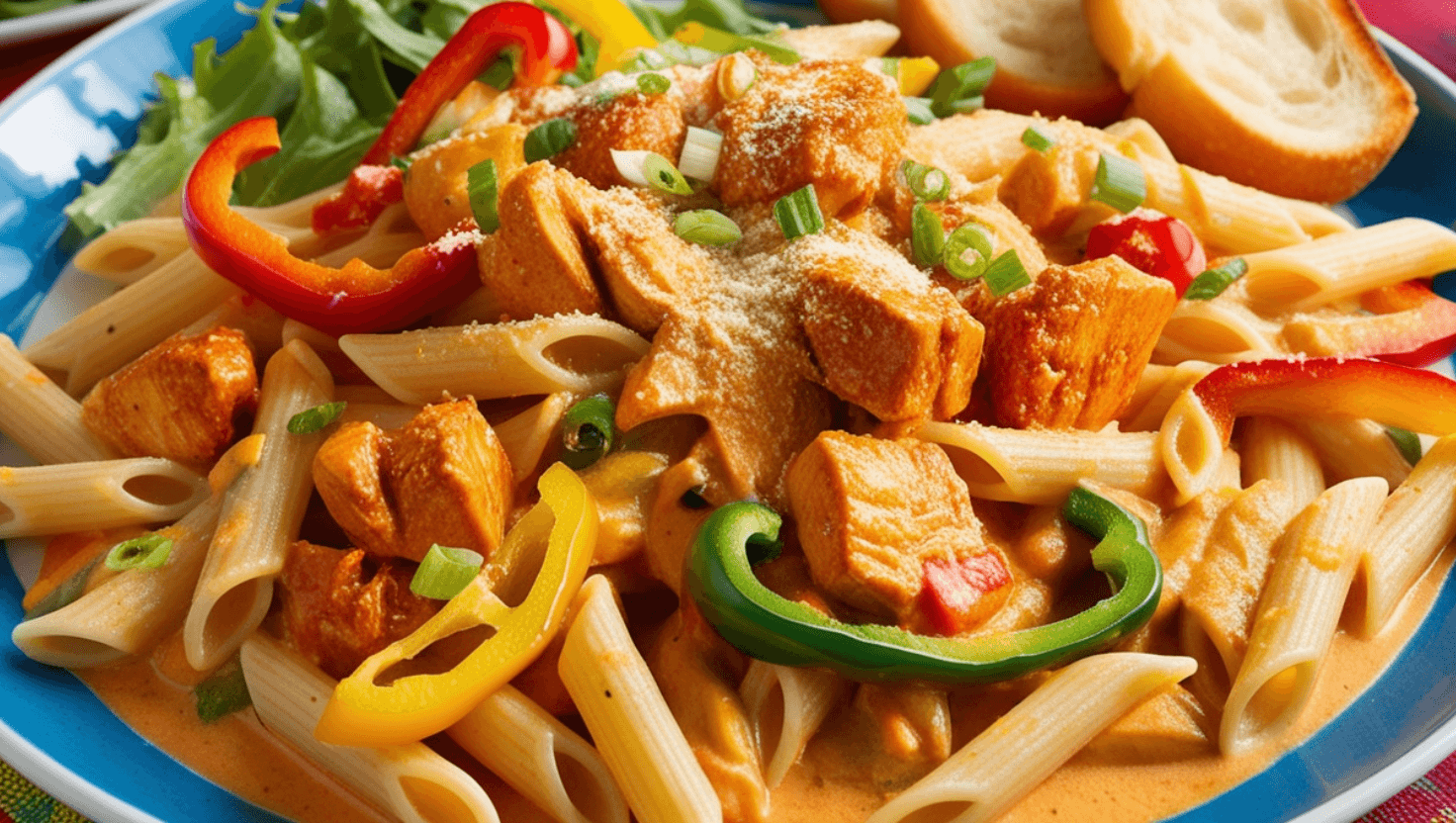
Pasta shapes are generally interchangeable within their categories—long pastas like spaghetti, linguine, and fettuccine work similarly, while short pastas like penne, rigatoni, and fusilli can substitute for each other in easy weeknight dinners. Rice varieties offer different textures but similar functionality, with white rice, brown rice, and even cauliflower rice serving as suitable bases for various dishes.
Vegetable substitutions expand your options significantly. Leafy greens like spinach, kale, and Swiss chard can replace one another, while bell peppers of any color work interchangeably. Zucchini and yellow squash are virtually identical in cooking applications, and different types of mushrooms can substitute freely in most easy weeknight dinners.
For dairy products, Greek yogurt serves as an excellent substitute for sour cream, while milk combined with lemon juice can replace buttermilk. Different cheeses within the same category—like cheddar, Monterey Jack, and Colby—melt similarly and can be swapped based on personal preference or availability. Plant-based alternatives now exist for nearly every dairy product, making it easier than ever to accommodate dietary restrictions in easy weeknight dinners.
Preparation Steps
Initial Prep and Cleaning Tips
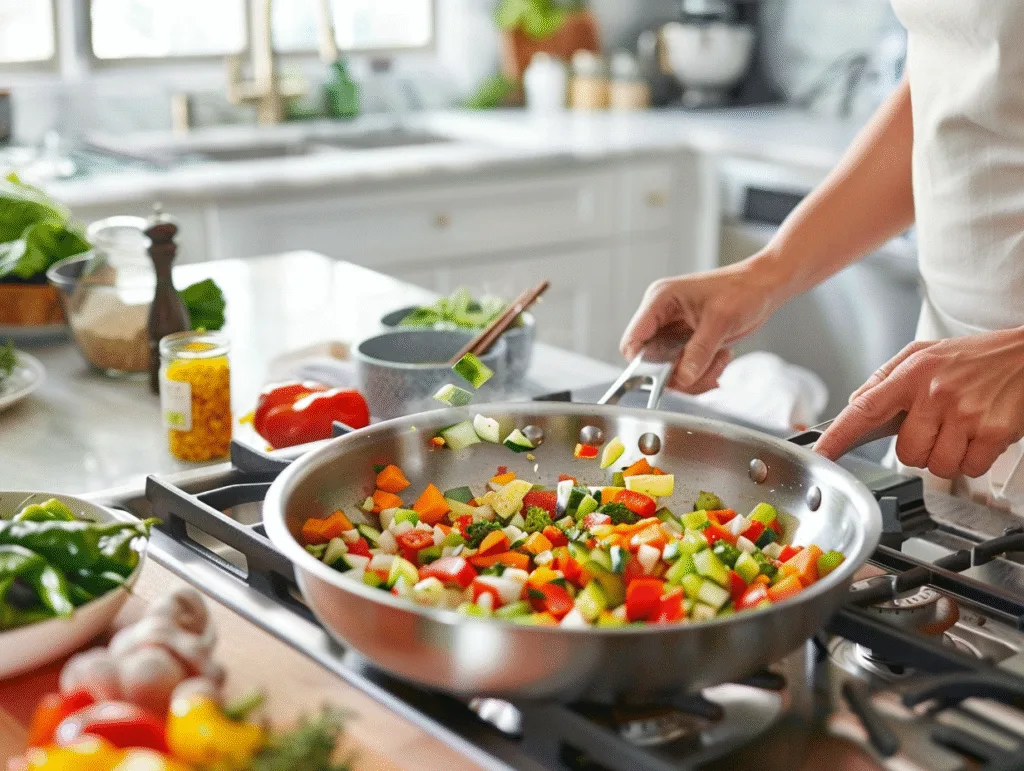
Efficient preparation is the secret weapon behind successful easy weeknight dinners. Start by reading through your chosen recipe completely before beginning, which prevents mid-cooking surprises and ensures you have all necessary ingredients and equipment. This five-minute investment saves considerable frustration and potential dinner disasters.
Mise en place—the French culinary term meaning “everything in its place”—transforms your cooking experience. Gather all ingredients, measure them, and arrange them within easy reach before turning on any heat. For easy weeknight dinners, this might mean chopping all vegetables, measuring spices into small bowls, and having proteins ready to cook.
Clean as you go to prevent overwhelming cleanup after dinner. Fill your sink with hot, soapy water before cooking begins, and wash utensils, cutting boards, and measuring cups as you finish with them. This approach keeps your workspace organized and ensures that post-dinner cleanup takes minutes rather than becoming a dreaded chore that discourages future cooking.
Proper vegetable washing is crucial for food safety and quality. Rinse produce under cold running water, using a vegetable brush for firm items like potatoes and carrots. Leafy greens benefit from a soak in cold water to remove grit, followed by thorough drying with a salad spinner or clean kitchen towel. Pat proteins dry with paper towels before cooking to ensure proper browning—this small step significantly impacts the final quality of easy weeknight dinners.
Organize your workspace by designating a clean cutting board for vegetables and a separate one for raw proteins to prevent cross-contamination. Keep a small bowl or bag nearby for scraps to streamline the cleaning process. These habits become second nature with practice and dramatically improve your weeknight cooking efficiency.
Step-by-Step Cooking Instructions with Secret Tips
The actual cooking process for easy weeknight dinners becomes remarkably simple once you master a few fundamental techniques. For one-pan meals, heat your skillet or sheet pan thoroughly before adding ingredients—a hot pan means better browning and more developed flavors. Start with proteins, allowing them proper space to sear without crowding, then remove and set aside while cooking vegetables in the same pan to capture all those delicious browned bits.
Quick pasta dishes benefit from several chef secrets. Always use a large pot with plenty of water—the general rule is five quarts of water per pound of pasta. Salt the water generously once it boils; it should taste like the sea. Reserve at least one cup of pasta cooking water before draining, as this starchy liquid helps sauces cling beautifully to noodles and can rescue a too-thick sauce.
For sheet pan dinners, arrange ingredients thoughtfully based on cooking times. Place proteins in the center where heat is most consistent, surround them with heartier vegetables like potatoes and carrots, and add quick-cooking items like cherry tomatoes or spinach during the final minutes. Line pans with parchment paper or aluminum foil for effortless cleanup—a game-changing tip for busy weeknight cooking.
Stir-fries and skillet meals cook quickly over high heat, so having all ingredients prepped beforehand is essential. Work in batches if necessary to avoid overcrowding, which causes steaming rather than the desired crispy texture. Add aromatics like garlic and ginger last, as they burn easily and turn bitter when exposed to high heat for too long.
Temperature control separates mediocre easy weeknight dinners from exceptional ones. Use an instant-read thermometer to ensure chicken reaches 165°F, pork reaches 145°F, and ground meats reach 160°F. Let proteins rest for five to ten minutes after cooking, allowing juices to redistribute throughout the meat for maximum tenderness and flavor.
Easy Weeknight Dinners You’ll Make Again and Again
Ingredients
Tried this recipe?
Let us know how it was!Common Mistakes and How to Avoid Them
Understanding common pitfalls helps ensure your easy weeknight dinners succeed every time. Not having ingredients on hand tops the list of dinner-derailing mistakes. Combat this by maintaining a well-stocked pantry with essentials and planning meals around what you already have before shopping for additional items.
Choosing overly complicated recipes defeats the purpose of easy weeknight dinners. Save elaborate dishes for leisurely weekends and stick to recipes with fewer than ten ingredients and preparation times under thirty minutes for busy weeknights. Many cooks fall into the trap of thinking impressive dinners require complexity, when in reality, simple preparations often yield superior results.
Overcrowding the pan ranks among the most common cooking mistakes that compromise food quality. Whether sautéing vegetables, searing meat, or roasting on a sheet pan, ingredients need space for proper browning. Moisture gets trapped when food is packed too tightly, creating steam that prevents the caramelization that makes easy weeknight dinners truly delicious.
Cooking with cold ingredients straight from the refrigerator affects both cooking time and final results. Allow proteins to sit at room temperature for 15-20 minutes before cooking for more even heat penetration. This small adjustment prevents the common problem of overcooked exteriors and undercooked centers.
Insufficient meal planning leaves families scrambling each evening. Dedicate 15-30 minutes weekly to planning easy weeknight dinners, checking your calendar for busy nights that require especially quick meals, and creating a corresponding shopping list. This proactive approach transforms weeknight cooking from stressful to manageable.
Serving & Final Touches
Creative Presentation Ideas
Presentation elevates easy weeknight dinners from mere sustenance to genuine culinary experiences that family members look forward to enjoying. Plating techniques borrowed from restaurants require no special skills yet dramatically improve visual appeal. For pasta dishes, use tongs to twirl noodles into a neat mound in the center of the plate, then top with protein and garnish rather than simply dumping everything together.
Color contrast creates visual interest that makes easy weeknight dinners more appetizing. Pair brightly colored vegetables like roasted red peppers or sautéed greens with neutral proteins, and use white or light-colored plates to make food colors pop. Fresh herbs scattered over finished dishes add vibrant green accents that signal freshness and care.
Height and dimension transform flat presentations into restaurant-quality plates. Stack components rather than spreading them flat—place protein atop a bed of grains or vegetables rather than beside them. Use a ring mold or simply your hands to create neat piles that command attention.
Garnishes provide the final flourish that distinguishes memorable easy weeknight dinners. Fresh herbs like parsley, cilantro, or basil add color and fresh flavor. Lemon or lime wedges offer both visual appeal and allow diners to customize acidity to their taste. Toasted nuts, crispy fried onions, or a drizzle of high-quality olive oil provide textural contrast and sophisticated finishing touches.
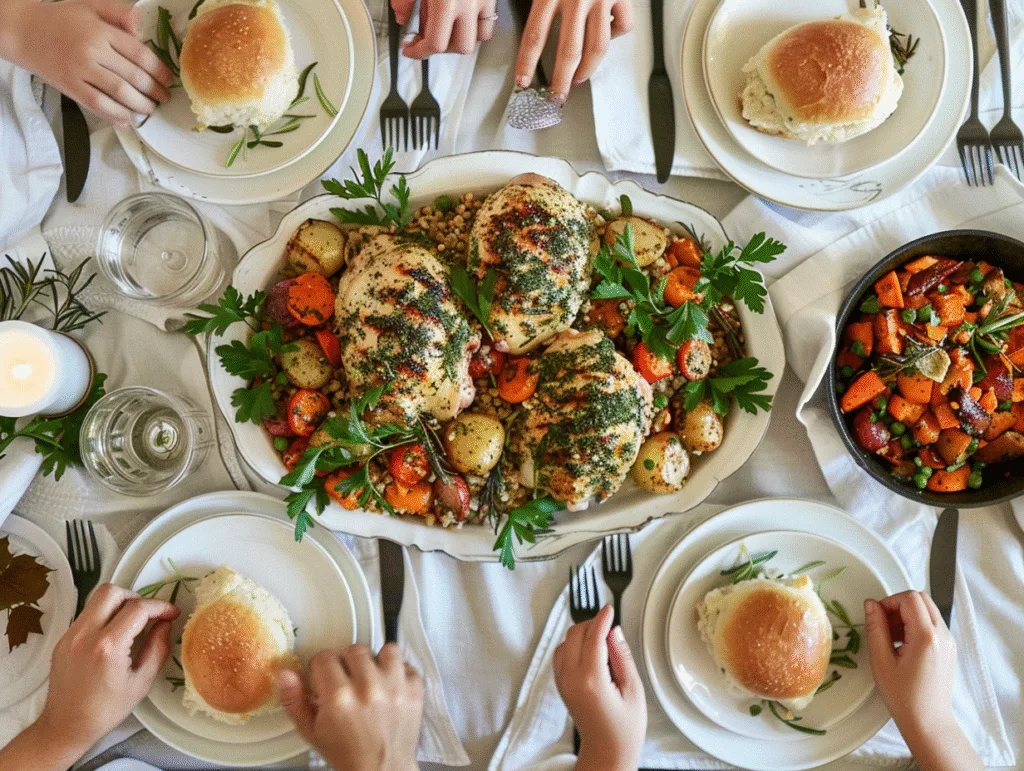
Family-style serving creates a warm, communal atmosphere perfect for easy weeknight dinners. Present components in attractive bowls and platters at the table, allowing family members to serve themselves. This approach reduces kitchen stress while fostering conversation and connection during meals.
Recommended Side Dishes or Pairings
Well-chosen side dishes complete easy weeknight dinners, adding nutritional balance and variety without requiring excessive time or effort. Simple salads provide freshness and crunch that complement heartier main courses. Keep ingredients basic—mixed greens, cherry tomatoes, cucumber, and a quick vinaigrette made from olive oil, vinegar, and Dijon mustard. Pre-washed salad greens make this even faster.
Roasted vegetables are perhaps the most versatile side dish for easy weeknight dinners. Toss cut vegetables with olive oil, salt, and pepper, then roast at 400°F for 20-30 minutes. Broccoli, Brussels sprouts, carrots, cauliflower, and sweet potatoes all excel with this treatment. Season with garlic powder, herbs, or a squeeze of lemon juice to elevate flavors.
Quick-cooking grains like couscous, quinoa, or instant rice round out protein-focused easy weeknight dinners. Five-minute couscous requires only boiling water and a brief rest, while instant rice cooks in the microwave during the final minutes of meal preparation. For added flavor, cook grains in chicken or vegetable broth instead of water.
Bread serves as a universally loved side that requires zero cooking. Keep quality crusty bread in the freezer, slicing and warming pieces as needed. Serve with butter, olive oil for dipping, or alongside soups and pasta dishes to soak up delicious sauces.
Frozen vegetables deserve recognition as legitimate side dishes for busy weeknight dinners. Steam-in-bag varieties cook in minutes in the microwave, and simple additions like butter, garlic powder, or lemon juice transform them into proper sides. Frozen green beans, peas, corn, and mixed vegetables provide convenience without sacrificing nutrition.
Storage Tips and Reheating Advice
Proper storage extends the life of easy weeknight dinners, enabling batch cooking and reducing food waste. Cooling procedures are crucial for food safety—never leave cooked food at room temperature for more than two hours, or one hour if the ambient temperature exceeds 90°F. Transfer food from hot pans to shallow containers to promote faster cooling before refrigeration.
Refrigerator storage for cooked meals should be limited to three to four days for optimal safety and quality. Store easy weeknight dinners in airtight containers to prevent odor transfer and moisture loss. Label containers with contents and dates to track freshness. Separate components when possible—store proteins, grains, and sauces separately for better reheating results.
Freezer storage extends the life of easy weeknight dinners for up to three to four months. Use freezer-safe containers or heavy-duty freezer bags, removing as much air as possible to prevent freezer burn. Soups, stews, casseroles, and cooked proteins freeze particularly well. Avoid freezing mayonnaise-based salads, cream sauces, and crispy foods, which don’t maintain quality through freezing.
Reheating guidelines ensure food safety and quality. Thaw frozen meals in the refrigerator overnight rather than at room temperature. Reheat all leftovers to 165°F, using a food thermometer to verify temperature. Microwave reheating requires stirring halfway through to ensure even heating, as microwaves heat unevenly. Add a splash of water or broth when reheating rice, pasta, or grain-based easy weeknight dinners to restore moisture.
Single reheating only—never reheat leftovers more than once, as repeated heating cycles increase food safety risks. Portion leftovers into single-serving containers so you reheat only what you’ll consume immediately. For large batches like soups or stews, remove only the portion you’ll eat and reheat in a small pan rather than reheating the entire pot repeatedly.
 DINNER
 LUNCH
LUNCH Desserts
 BREAKFAST
For more amazing recipes, be sure to check out our other sections to explore a variety of ideas that will enrich your cooking experience. Each section offers its own unique flavors to ensure a delightful culinary journey:
Easy and Quick Recipes: A collection of dishes that guarantee delicious meals with minimal effort and time.
Healthy Recipes: Discover healthy and delicious options that fit your lifestyle.
Desserts: A diverse selection of sweets that will add a special touch of sweetness to your table.
Lunch Recipes: Tasty lunch ideas that you can easily prepare to delight your family.
Dinner Recipes: Delicious and easy-to-make recipes that will make your dinner a memorable occasion.
FAQ
What are the easiest weeknight dinners to prepare?
The easiest weeknight dinners typically involve one-pan or one-pot preparations that minimize both cooking time and cleanup. Sheet pan dinners, where proteins and vegetables roast together, take just 5-10 minutes of hands-on prep and cook unattended. Quick pasta dishes like cacio e pepe or pesto pasta come together in under 20 minutes using pantry staples. Stir-fries cook rapidly over high heat and allow endless customization based on available ingredients. Skillet meals like chicken and rice or ground beef tacos offer substantial, satisfying dinners with minimal fuss. The common denominator among truly easy weeknight dinners is recipes with fewer than ten ingredients, straightforward techniques, and total times under 30 minutes.
How can I plan easy weeknight dinners on a budget?
Planning budget-friendly easy weeknight dinners starts with taking inventory of your pantry, refrigerator, and freezer before shopping. Build meals around affordable proteins like chicken thighs, ground meat, eggs, and beans rather than premium cuts. Shop seasonal produce, which costs less and tastes better than out-of-season alternatives. Embrace meatless meals one or two nights weekly, as plant-based proteins like beans, lentils, and eggs cost significantly less than meat. Cook versatile base recipes that transform with different toppings or side dishes—prepare a large batch of rice or pasta that serves as foundation for multiple easy weeknight dinners throughout the week. Buy generic or store brands for pantry staples, reserve leftovers for lunches, and resist the temptation to order takeout by keeping frozen pizzas or other emergency meals on hand for truly chaotic evenings.
What are common mistakes to avoid when making weeknight dinners?
The most common mistakes that derail easy weeknight dinners include choosing overly complicated recipes that exceed available time and energy. Not reading recipes completely before beginning leads to mid-cooking surprises like extended marinating times or missing ingredients. Overcrowding pans prevents proper browning and creates steamed, flavorless food. Using pots that are too small for pasta cooking results in mushy noodles. Failing to plan weekly menus leaves families scrambling each evening, often resulting in expensive, unhealthy takeout. Skipping calendar review when meal planning means missing busy nights that require especially quick dinners. Not maintaining a well-stocked pantry forces extra grocery trips and limits spontaneous cooking. Finally, making easy weeknight dinners feel like chores rather than enjoyable family time creates negative associations that perpetuate the cycle of avoidance.
How do I store and reheat weeknight dinner leftovers safely?
Safe leftover handling begins with rapid cooling—transfer food from hot cooking vessels to shallow containers and refrigerate within two hours of cooking. Store leftovers in airtight containers and consume refrigerated items within three to four days. Label containers with dates to track freshness. For longer storage, freeze easy weeknight dinners in freezer-safe containers for up to three to four months. Thaw frozen meals in the refrigerator overnight rather than at room temperature. When reheating, ensure food reaches 165°F throughout, using a food thermometer to verify temperature. Stir food halfway through microwave reheating to ensure even heating. Add small amounts of water or broth when reheating rice, pasta, or grain-based dishes to restore moisture. Never reheat leftovers more than once, and never refreeze previously frozen and thawed meals. Portion leftovers into single servings so you reheat only what you’ll immediately consume.
What side dishes pair well with easy weeknight dinners?
The best side dishes for easy weeknight dinners are those requiring minimal preparation while adding nutritional value and variety. Simple green salads with pre-washed greens take five minutes to assemble and complement virtually any main course. Roasted vegetables—tossed with olive oil and seasoning, then roasted at 400°F for 20-30 minutes—pair beautifully with proteins while cooking unattended. Quick-cooking grains like five-minute couscous or instant rice round out protein-heavy meals. Frozen vegetables heated in the microwave with butter and seasonings provide convenience without sacrificing nutrition. Bread—whether crusty baguette, dinner rolls, or garlic bread—requires zero cooking and works with pasta dishes, soups, and stews. For variety, consider cucumber salad, sautéed green beans, mashed potatoes, coleslaw, or simple fruit like sliced peaches. Focus on sides that can cook simultaneously with or be prepared while the main dish cooks to keep total preparation time under 30 minutes.
Conclusion
Mastering easy weeknight dinners transforms your relationship with home cooking, turning what often feels like a nightly chore into an enjoyable routine that brings families together over delicious, satisfying meals. The strategies outlined in this guide—from maintaining a well-stocked pantry and choosing quality ingredients to avoiding common mistakes and implementing efficient preparation techniques—empower you to create restaurant-quality dinners without the stress or expense. Whether you’re drawn to one-pan sheet dinners, quick pasta dishes, hearty stir-fries, or comforting skillet meals, the key is building a repertoire of reliable recipes you’ll genuinely want to make again and again.
Remember that successful easy weeknight dinners don’t require culinary school training or hours of free time—they simply need straightforward techniques, quality ingredients, and a bit of planning. Start by incorporating one or two new recipes into your rotation each week, gradually building confidence and expanding your collection of go-to meals. Embrace shortcuts like pre-cut vegetables, rotisserie chicken, and quality store-bought sauces that save time without compromising flavor.
The beauty of easy weeknight dinners lies not just in their simplicity, but in the meaningful moments they create. When you’re not stressed about what to cook or how to cook it, you can actually be present during meals, connecting with family members and creating the kinds of memories that last long after dinner plates are cleared. So gather your ingredients, trust these techniques, and discover the joy of weeknight cooking that’s truly sustainable. Try one new recipe this week, share your creations with friends and family, and experience firsthand how easy weeknight dinners can revolutionize your daily routine.