Table of Contents
Table of Contents
A Personal Story About Dinner Ideas Short on Time
Dinner ideas short on time became my grandmother’s specialty during those hectic summer evenings when our entire family would gather at her house after long workdays. I remember rushing through her kitchen door, exhausted from school activities, only to find her smiling calmly as delicious aromas filled the air. She never seemed stressed, yet somehow managed to put together incredible meals in what felt like minutes.
My grandmother taught me that cooking quickly doesn’t mean sacrificing flavor or nutrition. She showed me how to transform simple pantry staples into satisfying dinners that brought everyone together around the table. Those lessons shaped how I approach meal planning today, especially on those nights when time feels like my scarcest ingredient.
Now, as someone juggling a busy schedule, I rely on those same principles she taught me. Quick dinner preparation isn’t about cutting corners—it’s about working smarter, not harder. These dinner ideas short on time have become my lifeline during chaotic weeknights when ordering takeout seems like the only option.
Ingredients
Understanding Key Ingredients for Quick Dinners
The foundation of dinner ideas short on time starts with selecting versatile ingredients that cook quickly and deliver maximum flavor. Proteins like chicken breasts, salmon fillets, and ground beef cook rapidly and pair well with countless seasonings. Pre-washed greens, frozen vegetables, and canned beans eliminate prep time while maintaining nutritional value.
Pantry staples such as pasta, rice, and quinoa serve as excellent bases for countless quick meals. These grains cook relatively fast and absorb flavors beautifully from sauces and seasonings. Keeping jarred sauces, herb pastes, and pre-made marinades on hand dramatically reduces cooking time without compromising taste.
Fresh aromatics like garlic, ginger, and onions add depth to any dish. While these ingredients require chopping, using pre-minced versions from the freezer section saves precious minutes. Quality olive oil, butter, and basic seasonings like salt, pepper, and red pepper flakes form the flavor backbone of most quick recipes.
Eggs represent one of the most versatile quick-cooking proteins available. They work beautifully in breakfast-for-dinner scenarios, fried rice, or as protein additions to salads. Cheese adds creaminess and richness to dishes while melting quickly.
Tips for Selecting Quality Ingredients
Choosing fresh, quality ingredients ensures your dinner ideas short on time taste restaurant-worthy despite minimal cooking time. When selecting chicken, look for pieces that are similar in size for even cooking. Fresh chicken should smell clean and have a pinkish color without any gray patches.
For seafood options, salmon should have firm flesh and a fresh ocean smell, not fishy odors. Frozen shrimp provides excellent convenience—just thaw under cold running water for quick preparation. Pre-portioned frozen fish fillets cook straight from the freezer, making them ideal for last-minute meals.
Vegetables should feel firm and show vibrant colors. Pre-cut vegetables save time, but check packaging dates to ensure freshness. Frozen vegetables often contain more nutrients than fresh ones that have traveled long distances. Canned goods like tomatoes, beans, and corn should have minimal added ingredients—ideally just the vegetable, water, and salt.
Rice and pasta quality matters for texture. Look for whole grain options when possible, as they provide more fiber and nutrients while still cooking quickly. Store grains in airtight containers to maintain freshness and prevent pantry pests.
Substitutions and Alternatives
Flexibility makes dinner ideas short on time work for various dietary preferences and pantry situations. For protein swaps, chicken thighs can replace chicken breasts and offer more flavor with similar cooking times. Ground turkey works as a leaner alternative to ground beef in most recipes.
Vegetarians can substitute tofu, tempeh, or chickpeas for meat proteins. These plant-based options absorb marinades beautifully and cook quickly in stir-fries and pasta dishes. Lentils provide excellent protein and fiber while requiring no soaking time.
For dairy-free cooking, coconut milk replaces heavy cream in curry dishes and pasta sauces. Nutritional yeast adds cheesy flavor without actual cheese. Olive oil substitutes for butter in most savory applications.
Grain alternatives expand your options significantly. Cauliflower rice cooks in minutes and reduces carbohydrates. Zucchini noodles offer a fresh, low-carb pasta alternative. Pre-cooked quinoa packets heat in just 90 seconds, making them perfect for rushed evenings.
Preparation Steps
Initial Prep and Cleaning Tips
Successful dinner ideas short on time begin with smart preparation strategies that streamline your cooking process. Start by reading through your entire recipe before beginning to cook. This prevents mid-cooking surprises and ensures all ingredients are ready when needed.
Organize your workspace using the “mise en place” method—having everything in its place. Gather all ingredients, measuring tools, and cooking vessels before turning on any heat. This professional technique prevents frantic searching while food burns on the stove.
Wash and dry all produce immediately. Clean vegetables cook better and contaminate less of your workspace. For leafy greens, use a salad spinner to remove excess water that would otherwise steam rather than sauté.
Prep proteins by patting them dry with paper towels. Moisture prevents proper browning and creates steam instead of delicious caramelization. Season proteins generously with salt and pepper before cooking for maximum flavor development.
Set up a clean-as-you-go system. Fill your sink with hot soapy water before cooking begins. Wash utensils and cutting boards between tasks to minimize end-of-meal cleanup. This approach keeps your workspace manageable and reduces post-dinner stress.
Step-by-Step Cooking Instructions with Secret Tips
Execute dinner ideas short on time efficiently by cooking multiple components simultaneously. While water boils for pasta, chop vegetables or prep your sauce. Use every burner and appliance available—roast vegetables in the oven while preparing stovetop proteins.
For quick pasta dishes, salt your pasta water generously until it tastes like the sea. This seasons the pasta itself rather than relying solely on sauce for flavor. Reserve one cup of starchy pasta water before draining—this liquid creates silky sauce consistency.
When cooking proteins, avoid overcrowding the pan. Proteins need space to brown properly rather than steam. Use medium-high heat for chicken and pork, ensuring pieces have golden color before flipping. For fish, cook skin-side down first for crispy texture.
Master the one-pot method for maximum efficiency. Brown proteins first, remove them from the pan, then cook aromatics in the same pot. Add liquids and vegetables, return proteins to the pot, and simmer until everything reaches perfect tenderness. This technique layers flavors while minimizing dishes.
Season throughout the cooking process rather than only at the end. Add salt when cooking aromatics, again when adding vegetables, and adjust final seasoning before serving. This builds complex flavor depth even in quickly-prepared dishes.
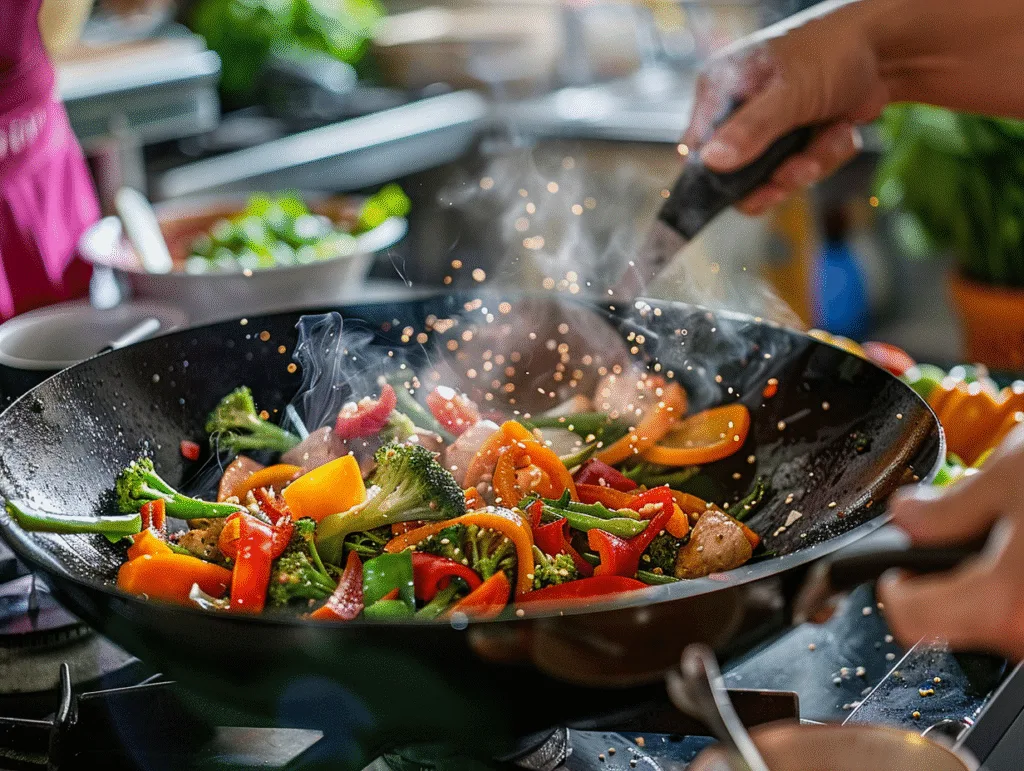
Use high heat wisely for dinner ideas short on time. Stir-fries require very hot pans to achieve proper texture. Preheat your skillet for several minutes before adding ingredients. The sizzle when food hits the pan indicates proper temperature.
Common Mistakes and How to Avoid Them
The biggest mistake when preparing dinner ideas short on time involves starting to cook before completing prep work. Chopping vegetables while chicken burns creates stress and ruins meals. Complete all cutting, measuring, and preparation before applying heat.
Overcooking proteins makes them dry and unappetizing. Invest in an instant-read thermometer to check doneness accurately. Chicken should reach 165°F internally, while salmon tastes best at 125-130°F for medium. Remove proteins from heat just before they reach final temperature—carryover cooking completes the process.
Using inadequate heat prevents proper browning. Many home cooks keep temperatures too low, fearing burnt food. Higher heat creates delicious caramelization that adds depth to quick meals. Learn your stove’s heat levels through practice.
Skipping the resting period for cooked meats leads to dry results. After cooking, let proteins rest for five minutes before slicing. This allows juices to redistribute throughout the meat rather than running onto the cutting board.
Not tasting food during cooking represents another common error. Season gradually and taste frequently to adjust flavors as dishes develop. Different brands of ingredients have varying salt levels, requiring adjustments.
Relying on only one cooking method limits your dinner ideas short on time. Learn multiple techniques like sautéing, roasting, and stir-frying. Each method offers unique flavors and textures suitable for different ingredients.
Quick & Easy Dinner Ideas Short on Time for Busy Nights
Ingredients
Nutrition
Tried this recipe?
Let us know how it was!Serving & Final Touches
Creative Presentation Ideas
Transform simple dinner ideas short on time into visually appealing meals through thoughtful plating. Use white plates or bowls as blank canvases that make colorful foods pop. Arrange components separately rather than mixing everything together for more elegant presentation.
Add fresh herbs as finishing touches. Chopped parsley, cilantro, or basil provide bright color and fresh flavor. These herbs take seconds to add but elevate visual appeal dramatically. Sprinkle them just before serving to maintain their vibrant color.
Create height in your plating for restaurant-quality appearance. Stack components vertically rather than spreading them flat across the plate. Use tongs or a large spoon to gently place ingredients with intention.
Drizzle sauces artistically across plates or over the top of dishes. A squeeze bottle creates professional-looking designs in seconds. Even simple olive oil drizzles with cracked pepper add sophistication.
Incorporate contrasting colors for visual interest. Pair green vegetables with red tomatoes or orange carrots. The more colorful your plate, the more nutrients it typically contains. Garnish with lemon wedges, lime slices, or microgreens for fresh, bright accents.
Recommended Side Dishes and Pairings
Complete your dinner ideas short on time with simple side dishes that complement main courses. Quick-cooking vegetables like green beans, broccoli, or asparagus steam in minutes. Season them with butter, lemon juice, and salt for delicious simplicity.
Salads provide fresh contrast to warm main dishes. Keep pre-washed lettuce on hand with your favorite dressing. Add nuts, dried fruit, or cheese for extra texture and flavor. Simple arugula salads dressed with olive oil and lemon take under two minutes.
Bread serves multiple purposes in quick meals. Toast slices and rub with garlic for instant garlic bread. Use bread to soak up delicious sauces from pasta or stew dishes. Naan or pita bread from the freezer section heats in minutes.
Rice pilaf prepared in the microwave complements many proteins beautifully. Cook rice according to package directions, then stir in butter, herbs, and toasted nuts. Pre-cooked rice pouches heat in 90 seconds, perfect for truly rushed evenings.
Roasted vegetables make excellent pairings when you have slightly more time. Toss vegetables with olive oil and seasonings, then roast at high temperature for 20-25 minutes. Roast vegetables while preparing other components to maximize efficiency.
Storage Tips and Reheating Advice
Proper storage extends the life of your dinner ideas short on time into next-day lunches. Allow food to cool for no more than two hours before refrigerating. Store components separately when possible—proteins stay fresher when not mixed with sauces.
Use airtight containers to maintain freshness and prevent refrigerator odors from affecting food. Glass containers work better than plastic for preventing staining and retaining flavors. Label containers with contents and dates to track freshness.
Most cooked dishes remain safe for three to four days in the refrigerator. Seafood should be consumed within two days for optimal quality. When in doubt about freshness, trust your senses—if something smells off, discard it.
Reheat foods to 165°F internal temperature for food safety. Add a splash of water or broth when reheating to prevent drying. Microwave reheating works well for most dishes—cover with a damp paper towel to maintain moisture.
For best texture, reheat proteins separately from vegetables when possible. Vegetables can become mushy with multiple heatings. Refresh meals with fresh herbs, a squeeze of lemon, or a drizzle of olive oil after reheating.
Freeze extra portions for future emergency meals. Most soups, stews, and casseroles freeze beautifully for up to three months. Freeze in individual portions for easier thawing and reheating. Label frozen items clearly with contents and freezing date.
 DINNER
 LUNCH
LUNCH Desserts
 BREAKFAST
For more amazing recipes, be sure to check out our other sections to explore a variety of ideas that will enrich your cooking experience. Each section offers its own unique flavors to ensure a delightful culinary journey:
Easy and Quick Recipes: A collection of dishes that guarantee delicious meals with minimal effort and time.
Healthy Recipes: Discover healthy and delicious options that fit your lifestyle.
Desserts: A diverse selection of sweets that will add a special touch of sweetness to your table.
Lunch Recipes: Tasty lunch ideas that you can easily prepare to delight your family.
Dinner Recipes: Delicious and easy-to-make recipes that will make your dinner a memorable occasion.
Frequently Asked Questions
Q: What are the fastest dinner ideas short on time for weeknight meals?
A: The fastest dinner ideas short on time include stir-fries, pasta dishes, and sheet pan meals that cook in 20-30 minutes. One-pot recipes like chicken and rice minimize cleanup while delivering complete nutrition. Utilizing pre-cooked rotisserie chicken, frozen vegetables, and quick-cooking grains like couscous dramatically reduces preparation time. Breakfast-for-dinner options like omelets or egg fried rice come together in under 15 minutes.
Q: How can I meal prep to make dinner ideas short on time even easier?
A: Successful meal prep involves dedicating one hour weekly to prepare ingredients in bulk. Chop vegetables, cook grains, and marinate proteins on Sunday for quick weeknight assembly. Batch cooking versatile components like grilled chicken, roasted vegetables, and cooked rice creates mix-and-match options throughout the week. Store prepped ingredients in clear, labeled containers for easy identification. This approach transforms 45-minute dinners into 15-minute meals.
Q: What kitchen tools help with dinner ideas short on time?
A: Essential tools for quick cooking include sharp knives that speed up vegetable prep. Instant-read thermometers ensure proteins cook perfectly without guessing. Sheet pans allow multiple foods to roast simultaneously. An Instant Pot or slow cooker provides hands-off cooking for busy days. Microplanes make quick work of grating garlic and ginger. Quality nonstick pans prevent sticking and reduce cleanup time.
Q: Can dinner ideas short on time still be healthy?
A: Quick dinners can absolutely be nutritious by focusing on whole ingredients. Build meals around lean proteins, vegetables, and whole grains. Frozen vegetables retain nutrients and cook quickly. One-pot dishes incorporating beans, lentils, and vegetables provide complete nutrition. Avoid relying solely on processed convenience foods. Simple preparations like grilled salmon with steamed broccoli deliver maximum nutrition with minimal cooking time.
Q: What are good pantry staples for last-minute dinner ideas short on time?
A: Stock your pantry with versatile staples that create quick meals. Keep various pasta shapes, rice, and quinoa for grain bases. Canned items like beans, tomatoes, and tuna provide protein and flavor. Jarred sauces, pre-made marinades, and herb pastes add instant flavor. Dried spices, garlic powder, and bouillon cubes season dishes quickly. Olive oil, soy sauce, and vinegars create simple dressings and marinades. These ingredients enable countless combinations without grocery shopping.
Conclusion
Mastering dinner ideas short on time transforms hectic weeknights from stressful to manageable. These strategies prove that delicious, nutritious meals don’t require hours of preparation. With smart planning, quality ingredients, and efficient techniques, anyone can create satisfying dinner ideas short on time that taste homemade and comforting.
Start implementing dinner ideas short on time gradually rather than overhauling your entire cooking routine overnight. Choose one new quick recipe each week to build your repertoire. Stock your pantry with versatile staples that enable spontaneous meal creation. Remember that dinner ideas short on time succeed through preparation and practice.
Your family deserves home-cooked meals even on the busiest nights. These dinner ideas short on time and efficient cooking techniques make that goal achievable without sacrificing your sanity. Try a few dinner ideas short on time this week and notice how much easier your evenings become.
When planning your meals, select dinner ideas short on time that use minimal ingredients and cook in one pan or skillet. For example, stir-fries, sheet pan meals, and pasta dishes save both time and cleanup. These dinner ideas short on time are also perfect for meal prep or freezing ahead.
Finally, share your favorite dinner ideas short on time with friends and family who also juggle busy schedules. Spreading inspiration helps everyone enjoy nutritious meals without stress. With consistent practice and a few go-to dinner ideas short on time, you’ll soon master weeknight cooking effortlessly.