Table of Contents
Table of Contents
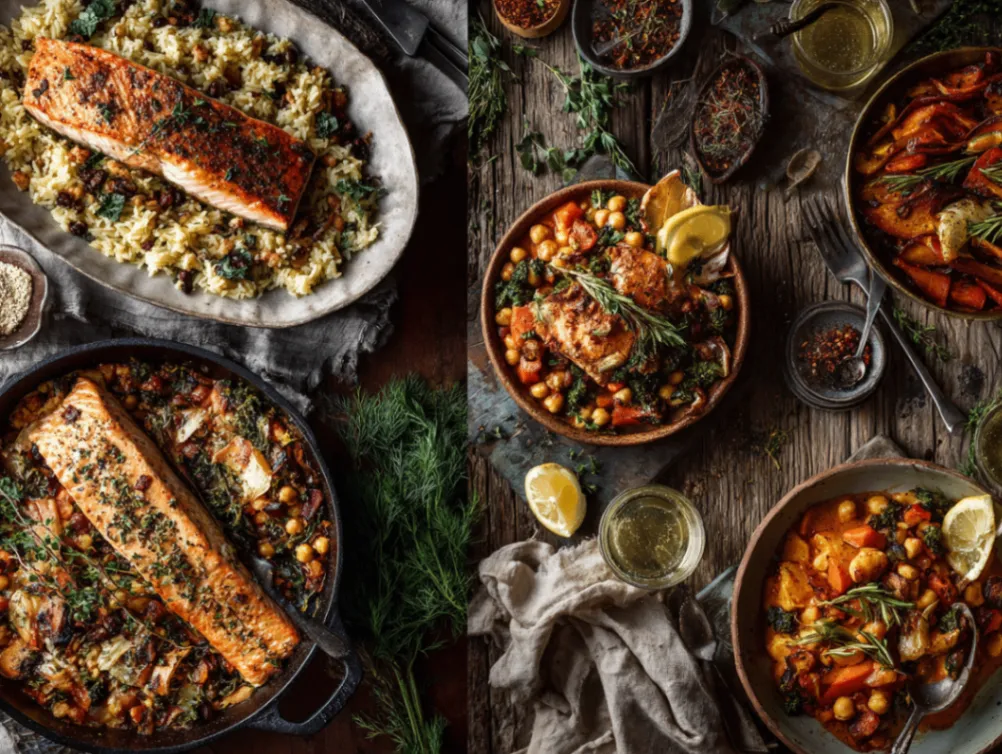
Hey there, fellow food lovers! I’m REANNA, and let me tell you something that transformed my approach to weeknight meals forever. About three years ago, I found myself standing in my kitchen at 6 PM, completely exhausted from a long day, staring into an almost-empty refrigerator and wondering what magic I could possibly conjure up for dinner. Sound familiar? That moment sparked my journey to develop a collection of cooking recipes for dinner that would become absolute lifesavers for busy families everywhere.
These aren’t just any recipes – they’re the ones that have earned their place on repeat rotation in kitchens around the world. Each one represents the perfect balance of simplicity, flavor, and satisfaction that makes weeknight cooking feel less like a chore and more like a joy. Whether you’re a seasoned home cook or someone who’s just beginning to explore the wonderful world of easy homemade recipes, this collection of dinner ideas will become your trusted companion in creating memorable meals that bring your family together around the table.
What makes these cooking recipes for dinner so special isn’t just their incredible taste – though trust me, your taste buds will thank you – it’s their accessibility. Every single recipe can be prepared with common ingredients, doesn’t require specialized equipment, and can be ready in 45 minutes or less. These are the recipes that have saved countless dinners in my own home and in the homes of friends and family who’ve tried them.
10 Easy Cooking Recipes for Dinner You’ll Love
Ingredients
Tried this recipe?
Let us know how it was!Essential Ingredients for Successful Dinner Cooking
Understanding Your Pantry Powerhouses
When it comes to mastering cooking recipes for dinner, success often starts long before you turn on the stove. The foundation of any great meal lies in understanding the ingredients that work hardest for you. In my kitchen, I always keep what I call “pantry powerhouses” – those versatile ingredients that can transform simple dishes into something extraordinary.
Olive oil, garlic, and onions form the holy trinity of flavor in countless easy homemade recipes. These three ingredients alone can elevate the simplest pasta dish or turn basic chicken into a restaurant-worthy meal. I learned this from my grandmother, who could make magic happen with just these basics and whatever leftovers she found in her refrigerator.
Herbs and spices are your secret weapons for creating delicious dishes that taste like you spent hours in the kitchen. Fresh basil, dried oregano, paprika, and cumin can transport your taste buds around the world without leaving your dining room. I always tell people that the difference between okay cooking and amazing cooking often comes down to proper seasoning and understanding how these flavor enhancers work together.
Selecting Premium Ingredients Without Breaking the Bank
Here’s something I wish someone had told me when I first started collecting cooking recipes for dinner: you don’t need to spend a fortune on ingredients to create incredible meals. The key is knowing where to invest and where to save. For proteins, I focus on buying the best quality I can afford, even if it means buying smaller portions. A smaller piece of high-quality chicken or beef will always taste better and be more satisfying than a larger portion of lower-grade meat.
Fresh vegetables make an enormous difference in family favorite recipes, but you don’t need to shop exclusively at expensive specialty stores. I’ve discovered that many regular grocery stores offer excellent produce if you know what to look for. For leafy greens, look for crisp leaves without wilting. For root vegetables, they should feel firm and heavy for their size. The investment in quality vegetables pays off exponentially in the final taste of your delicious dishes.
When it comes to pantry staples like canned tomatoes, pasta, and grains, I’ve learned that mid-range options often provide the best value. You’re paying for consistent quality without the premium markup of luxury brands. This approach allows you to allocate more of your budget toward fresh ingredients that truly impact the final result of your cooking recipes for dinner.
Smart Substitutions and Creative Alternatives
One of the most valuable skills any home cook can develop is the ability to substitute ingredients creatively. This flexibility transforms cooking recipes for dinner from rigid instructions into adaptable frameworks that work with whatever you have available. When a recipe calls for heavy cream but you only have milk, a splash of lemon juice and a pat of butter can create a surprisingly similar richness.
Vegetable substitutions open up endless possibilities for customizing easy homemade recipes to your family’s preferences and dietary needs. Zucchini can easily replace pasta in many dishes, creating lighter versions that are just as satisfying. Cauliflower has become my go-to substitute for rice and potatoes, offering a neutral base that absorbs flavors beautifully while adding nutritional value.
Protein swaps are perhaps the most impactful substitutions you can make. Most family favorite recipes that call for chicken work equally well with turkey, pork, or even firm tofu for vegetarian options. The key is adjusting cooking times and seasonings to complement your chosen protein. I’ve discovered that many of my most beloved delicious dishes actually came about through happy accidents when I substituted one ingredient for another.
Mastering the Preparation Process
Initial Preparation and Kitchen Organization
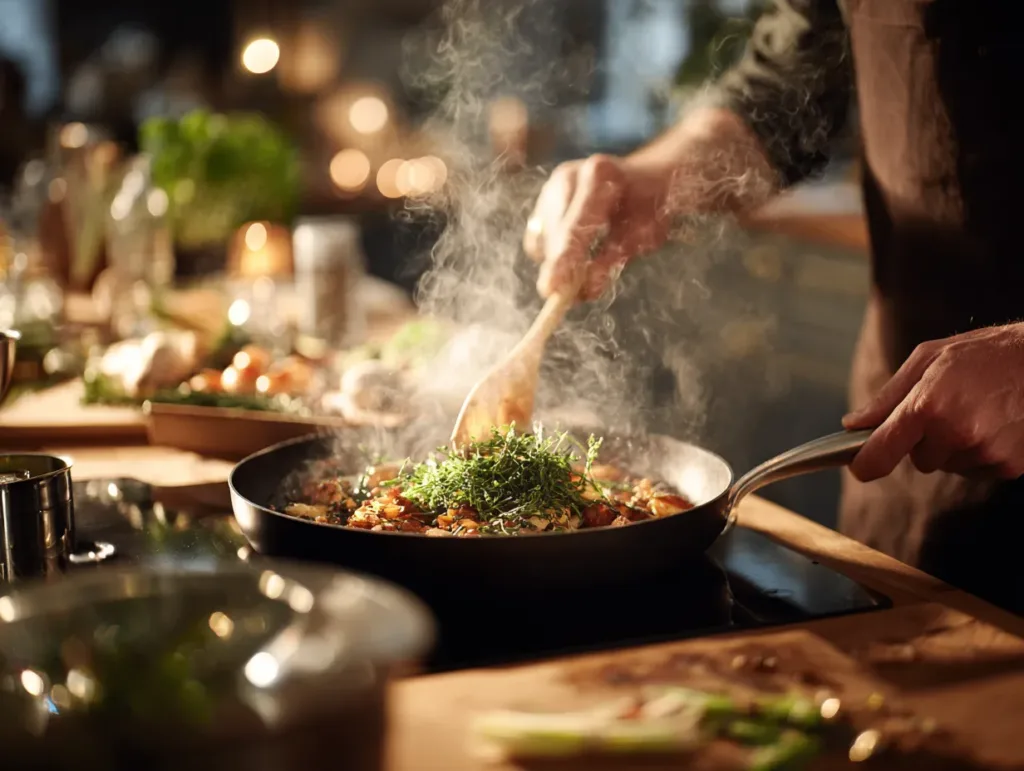
The difference between a stressful cooking experience and an enjoyable one often comes down to preparation. Before I even think about turning on a burner, I spend a few minutes organizing my workspace and gathering all the ingredients I’ll need for my cooking recipes for dinner. This approach, which professional chefs call “mise en place,” has revolutionized my home cooking experience.
Start by reading through your chosen recipe completely – twice. This might seem excessive, but understanding the entire process before you begin prevents those panic moments when you realize you need to chop vegetables while something is already cooking on the stove. I keep a small notebook in my kitchen where I jot down timing notes for complex cooking recipes for dinner, noting which steps can be done simultaneously and which require my full attention.
Clean as you go. This single habit will transform your cooking experience more than any fancy gadget or expensive ingredient. Keep a bowl on your counter for scraps and compost, and wash dishes between major steps. When you’re preparing family favorite recipes that involve multiple components, a clean, organized workspace keeps you focused on creating delicious dishes rather than managing chaos.
Step-by-Step Cooking with Professional Secrets
Here’s where the magic happens in creating exceptional cooking recipes for dinner. Professional chefs understand that cooking is as much about timing and temperature as it is about ingredients. When sautéing vegetables, let your pan get properly hot before adding oil, and let the oil shimmer before adding ingredients. This creates the foundation for proper browning and prevents sticking.
Seasoning in layers is perhaps the most important technique I can share for elevating easy homemade recipes. Don’t wait until the end to add all your salt and pepper. Season proteins before cooking, taste and adjust vegetables halfway through their cooking process, and always taste your final dish before serving. Each layer of seasoning builds complexity that cannot be achieved by adding everything at the end.
Temperature control is your secret weapon for consistently successful delicious dishes. Invest in an instant-read thermometer and learn the target temperatures for different proteins. But beyond food safety, understanding heat levels transforms your cooking. Medium-high heat for searing, medium for most sautéing, and low for gentle simmering or sauce-making. These principles apply across virtually all cooking recipes for dinner and will improve every dish you make.
Common Pitfalls and How to Avoid Them
Even experienced cooks make mistakes, but recognizing common pitfalls can save your family favorite recipes from disaster. Overcrowding the pan is perhaps the most frequent error I see in home kitchens. When you add too many ingredients to a pan at once, they steam rather than brown, resulting in soggy vegetables and bland proteins. Cook in batches if necessary – your patience will be rewarded with superior flavor and texture.
Rushing the cooking process is another recipe for disappointment. Many easy homemade recipes require specific timing for optimal results. When a recipe says to let onions cook until translucent, that usually takes longer than you think. Properly caramelized onions can take 15-20 minutes, but the depth of flavor they provide is worth every minute of patience.
Under-seasoning is the fastest way to turn potentially delicious dishes into forgettable meals. Taste constantly throughout the cooking process and adjust seasoning as needed. Remember that salt enhances other flavors rather than making food taste salty when used properly. Don’t be afraid to be generous with herbs and spices – they’re what transform simple ingredients into memorable cooking recipes for dinner.
 DINNER
 LUNCH
LUNCH Desserts
 BREAKFAST
For more amazing recipes, be sure to check out our other sections to explore a variety of ideas that will enrich your cooking experience. Each section offers its own unique flavors to ensure a delightful culinary journey:
Easy and Quick Recipes: A collection of dishes that guarantee delicious meals with minimal effort and time.
Healthy Recipes: Discover healthy and delicious options that fit your lifestyle.
Desserts: A diverse selection of sweets that will add a special touch of sweetness to your table.
Lunch Recipes: Tasty lunch ideas that you can easily prepare to delight your family.
Dinner Recipes: Delicious and easy-to-make recipes that will make your dinner a memorable occasion.
Serving, Presentation, and Storage
Creative Presentation Ideas That Wow
The final step in creating memorable cooking recipes for dinner involves presenting your culinary creation in a way that honors the effort you’ve put into making it. Presentation doesn’t require artistic training or expensive serving pieces – it simply needs thoughtfulness and a few basic techniques that make ordinary easy homemade recipes look restaurant-worthy.
Color contrast is your first consideration when plating any dish. A simple rule I follow is ensuring each plate has at least three different colors. This naturally leads to more balanced, nutritious meals while creating visual appeal that makes family favorite recipes feel special. A sprinkle of fresh herbs, a few colorful vegetables, or even a drizzle of colorful sauce can transform the appearance of any dish.
Height and texture add drama to your presentation without requiring advanced culinary skills. Instead of spreading everything flat on the plate, consider building components upward. Layer roasted vegetables, nest pasta in an interesting shape, or lean proteins against each other. These simple techniques make delicious dishes photograph beautifully and feel more intentional, elevating the entire dining experience for your family.
Perfect Pairings and Complementary Side Dishes
Understanding how to pair cooking recipes for dinner with appropriate side dishes transforms individual recipes into complete, satisfying meals. The key is balancing flavors, textures, and nutritional components while ensuring that no single element overwhelms the others. Rich, heavy main dishes pair beautifully with light, acidic sides that cut through richness and cleanse the palate.
Consider the cooking methods you’re using for your main dish when selecting sides. If your primary easy homemade recipes involve lots of sautéing or frying, balance that with fresh, raw components like salads or lightly steamed vegetables. Conversely, if your main dish is light and fresh, heartier sides like roasted root vegetables or grain-based salads provide satisfying substance.
Seasonal pairing enhances both the flavor and the economical aspects of creating family favorite recipes. Summer meals benefit from fresh, minimal cooking techniques that highlight peak-season produce. Winter calls for heartier preparations that provide comfort and warmth. Aligning your side dish choices with the seasons ensures you’re working with ingredients at their best while creating delicious dishes that feel perfectly suited to the moment.
Storage Solutions and Reheating Techniques
One of the greatest advantages of preparing cooking recipes for dinner at home is the potential for leftovers that provide easy meals for busy days ahead. However, improper storage can turn yesterday’s delicious dishes into today’s disappointing lunch. Understanding proper storage techniques ensures your efforts continue paying dividends long after the initial meal.
Most cooked dishes benefit from being cooled to room temperature before refrigeration, but don’t leave them out for more than two hours for food safety reasons. Store components separately when possible – sauces, proteins, and vegetables often have different storage requirements and reheating needs. This separation also allows for creative repurposing of leftovers into entirely new easy homemade recipes.
Reheating is an art that can preserve or destroy the quality of your family favorite recipes. Low, gentle heat usually works better than high temperatures that can overcook already-prepared foods. Add a splash of broth, wine, or water to prevent drying out, and consider refreshing herbs and seasonings that may have faded during storage. Some dishes actually improve after a day in the refrigerator as flavors meld and develop.
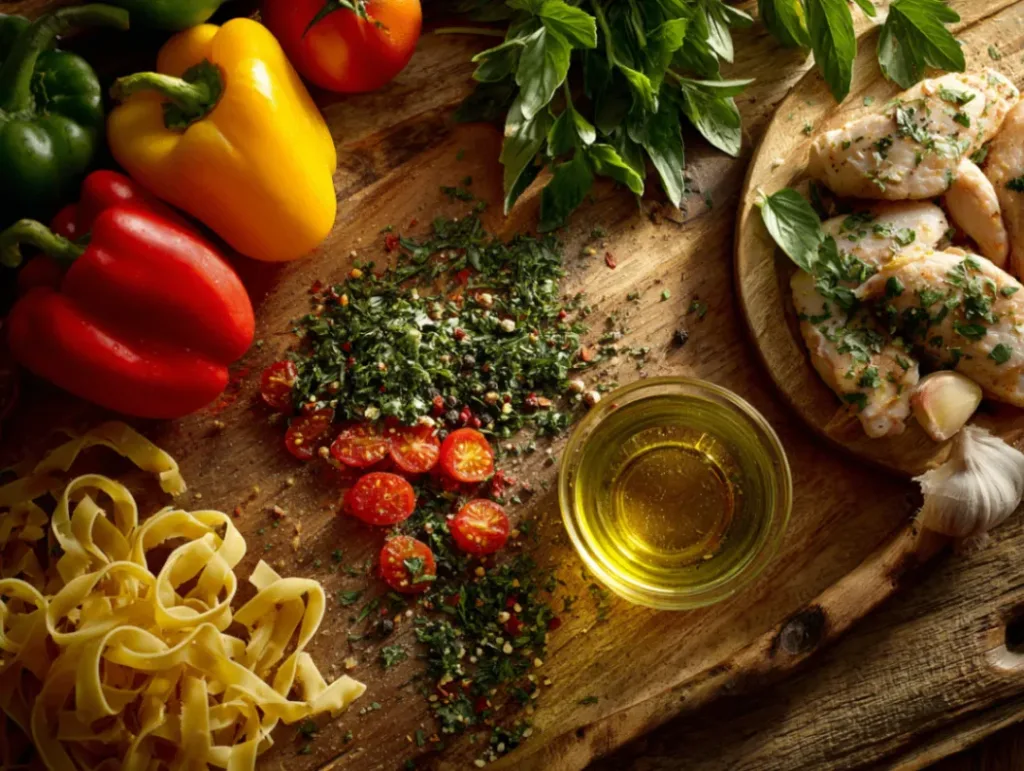
The Top 10 Easy Cooking Recipes for Dinner
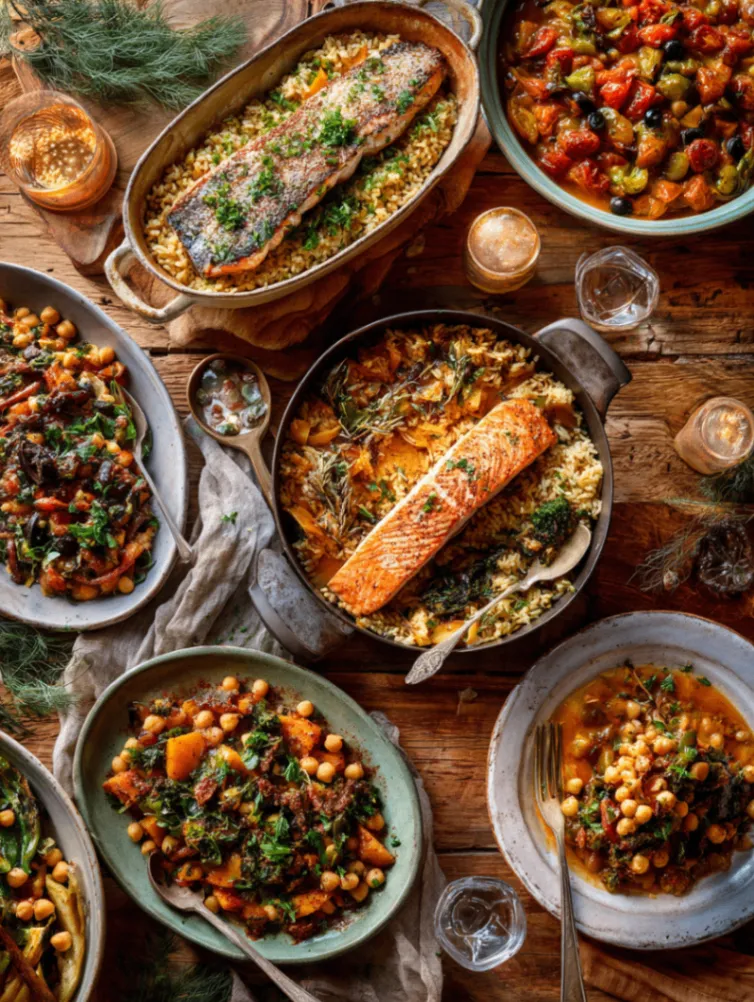
Here are my absolute favorite cooking recipes for dinner that have proven themselves time and again in kitchens around the world:
1. One-Pot Creamy Chicken and Rice – A comfort food classic that delivers maximum flavor with minimal cleanup. Tender chicken thighs, aromatic rice, and vegetables all cook together in a single pot.
2. Sheet Pan Salmon with Roasted Vegetables – This easy homemade recipe combines protein and vegetables on a single pan, making it perfect for busy weeknights while delivering restaurant-quality results.
3. Classic Beef Stir-Fry – Quick-cooking and infinitely adaptable, this family favorite recipe can accommodate whatever vegetables you have on hand while teaching fundamental stir-fry techniques.
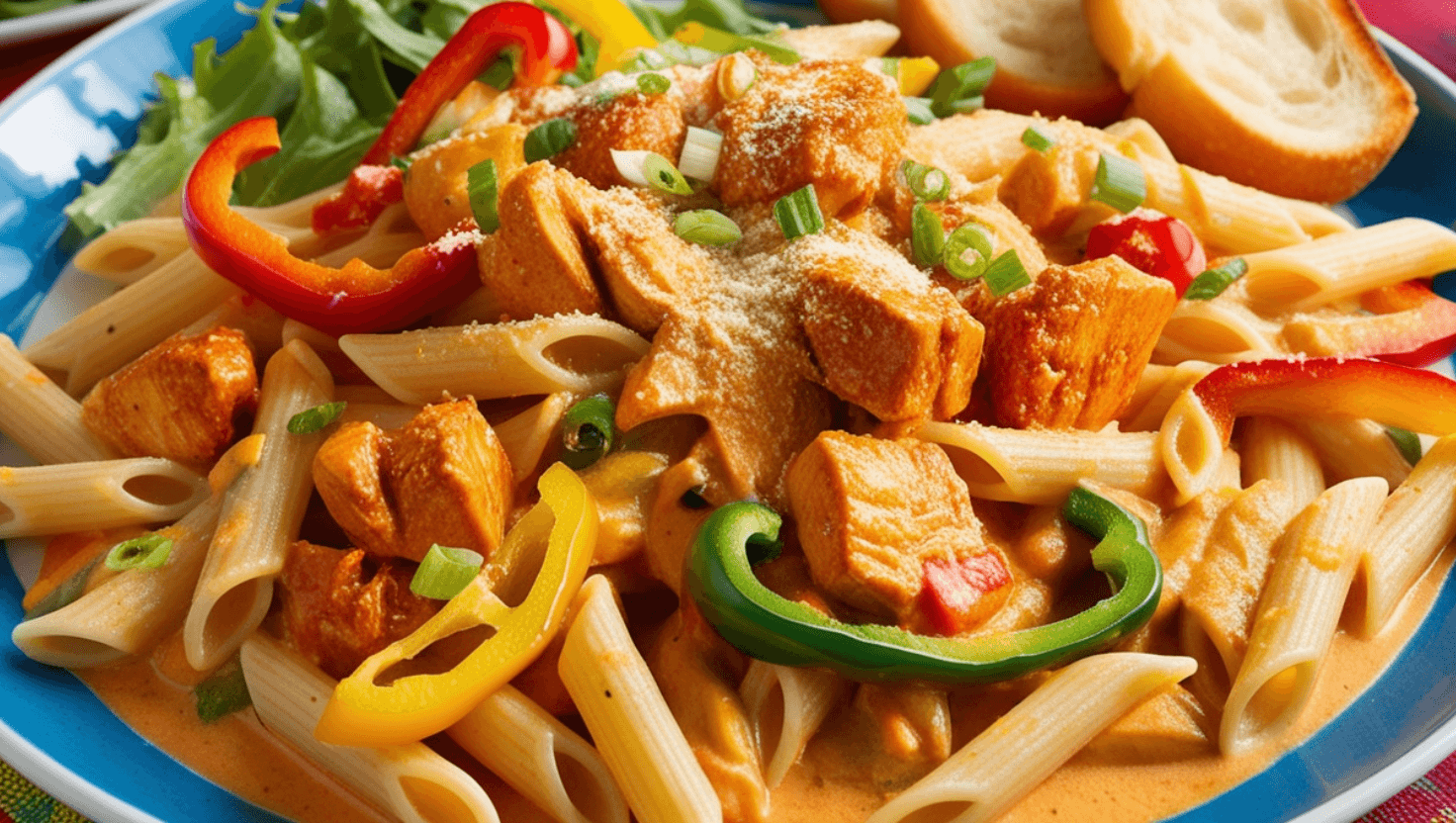
4. Creamy Mushroom Pasta – Rich, satisfying, and ready in under 30 minutes, this vegetarian option proves that delicious dishes don’t always need meat to be completely satisfying.
5. Honey Garlic Pork Chops – Simple seasoning and a quick pan sauce elevate affordable pork chops into a cooking recipe for dinner that feels special enough for company.
6. Mexican-Inspired Chicken Bowls – Customizable, healthy, and prep-friendly, these bowls offer endless variation possibilities while maintaining the comfort factor families love.
7. Italian Sausage and Pepper Skillet – A one-pan wonder that brings together classic flavors in a format that works equally well over pasta, rice, or crusty bread.
8. Asian-Style Lettuce Wraps – Light, fresh, and interactive, these wraps make dinner feel like a fun, hands-on experience while delivering bold flavors and healthy ingredients.
9. Classic Meatball Marinara – Homemade meatballs in rich tomato sauce represent comfort food at its finest, and this recipe makes the process completely manageable for home cooks.
10. Mediterranean Chickpea Stew – Proving that vegetarian cooking recipes for dinner can be just as hearty and satisfying as meat-based dishes, this stew is packed with protein and flavor.
Each of these recipes embodies the principles of accessible home cooking while delivering the kind of satisfaction that brings families together around the dinner table.
Frequently Asked Questions
Q: How can I make these cooking recipes for dinner more budget-friendly? A: Focus on recipes that use affordable proteins like chicken thighs, ground meat, or plant-based options like beans and lentils. Buy vegetables that are in season, and don’t hesitate to use frozen vegetables, which are often more economical and just as nutritious as fresh. Many of these easy homemade recipes can be stretched by adding extra vegetables or serving over rice or pasta.
Q: Can I prepare these dinner recipes ahead of time? A: Absolutely! Many of these family favorite recipes actually benefit from advance preparation. Marinate proteins the night before, chop vegetables during weekend meal prep, and consider making double batches of sauces and seasonings. Some dishes like stews and braised meats taste even better the next day, making them perfect for meal planning.
Q: How do I modify these recipes for dietary restrictions? A: Most of these cooking recipes for dinner are easily adaptable. For gluten-free options, substitute rice or quinoa for pasta, and use tamari instead of soy sauce. Dairy-free versions can use coconut milk or cashew cream instead of dairy products. For lower-carb versions, serve over cauliflower rice or zucchini noodles instead of grains.
Q: What kitchen equipment do I need for these recipes? A: The beauty of these delicious dishes is that they don’t require specialized equipment. A good knife, cutting board, large skillet, medium saucepan, and sheet pan will handle most of these recipes. A slow cooker or instant pot can be helpful but isn’t necessary. Focus on quality basics rather than gadgets.
Q: How do I know when these dinner recipes are properly cooked? A: Each recipe includes specific visual and temperature cues, but investing in an instant-read thermometer takes the guesswork out of cooking proteins safely. Vegetables should generally be tender but still have some texture. Taste as you go and trust your instincts – cooking is as much about developing your palate as following instructions.
Your Journey to Dinner Success Starts Now
Creating memorable cooking recipes for dinner isn’t about perfection – it’s about bringing love, attention, and creativity to the process of nourishing the people you care about. These ten recipes represent more than just instructions for preparing food; they’re invitations to slow down, connect with the sensory pleasure of cooking, and create moments of joy around your dinner table.
I encourage you to start with whichever recipe speaks to you most strongly, but don’t feel pressured to follow every instruction exactly. Cooking is a conversation between you and your ingredients, and the best easy homemade recipes evolve based on your family’s preferences, available ingredients, and your growing confidence in the kitchen.
Remember that every expert cook started exactly where you are now. Every family favorite recipe began as someone’s experiment, and every delicious dish improved through practice and adaptation. Be patient with yourself, embrace the learning process, and don’t be afraid to make mistakes – they often lead to the most delicious discoveries.
I’d love to hear about your experiences with these recipes! Share your variations, substitutions, and creative adaptations. The community of home cooks sharing cooking recipes for dinner is one of the most supportive and inspiring groups you’ll ever encounter. Together, we’re keeping the tradition of home cooking alive and thriving, one delicious meal at a time.