Table of Contents
Table of Contents
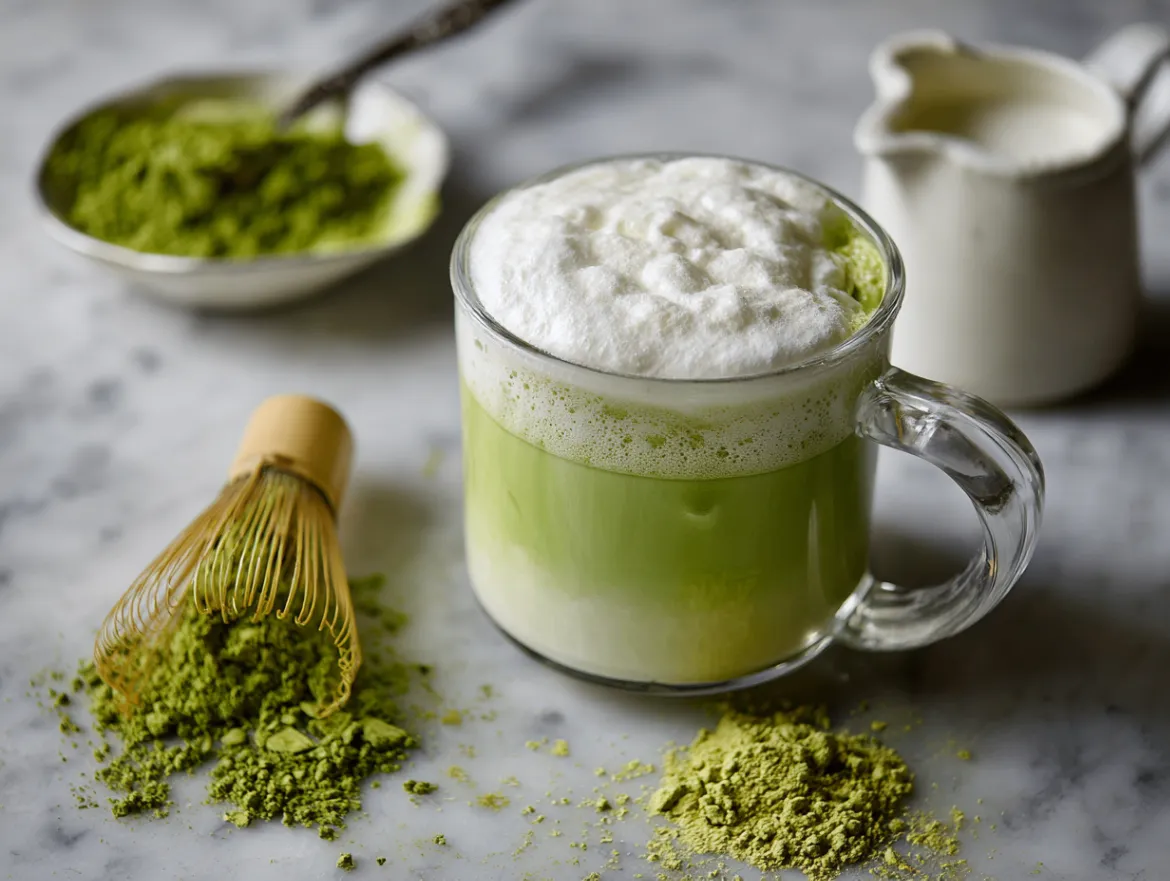
There’s something magical about the moment when vibrant matcha green tea meets velvety steamed milk – that swirl of emerald dissolving into creamy white creates a masterpiece that’s as beautiful as it is delicious. My love affair with matcha lattes began during a rainy afternoon in Seattle, where I discovered that this wasn’t just another trendy café drink, but a perfect marriage of traditional Japanese tea culture with modern coffee shop comfort.
I still remember my first attempt at recreating that perfect matcha latte Recipe at home – what a disaster! The matcha green tea clumped stubbornly at the bottom, the milk was flat and lifeless, and the whole thing tasted more like grass water than the creamy dream I’d fallen in love with. But after countless experiments, conversations with baristas, and even a trip to Japan to study traditional preparation methods, I’ve perfected what I consider the ultimate matcha latte recipe.
This creamy matcha green tea latte has become one of my most requested easy homemade recipes, and I’m thrilled to share every secret I’ve learned along the way. Whether you’re looking to recreate your favorite coffee shop experience or explore the wonderful world of matcha green tea beverages, this family favorite recipe will transform your kitchen into a cozy café and your mornings into moments of pure indulgence.

Creamy Authentic Matcha Latte
Ingredients
Tried this recipe?
Let us know how it was!Essential Matcha Latte Ingredients
The Foundation: Premium Matcha Green Tea and Perfect Milk
The heart of any exceptional matcha latte Recipe lies in selecting the right matcha green tea powder. Unlike regular green tea, matcha is stone-ground into an ultra-fine powder that completely dissolves into your drink, providing that characteristic vibrant color and complex flavor profile. For lattes, I recommend using premium-grade or culinary-grade matcha rather than ceremonial grade – it’s specifically designed to pair beautifully with milk while maintaining that authentic matcha green tea taste.
The milk you choose dramatically impacts your final result. Whole milk creates the richest, most luxurious texture with its higher fat content, allowing the matcha green tea flavors to bloom while providing that café-quality mouthfeel. The proteins in milk also help stabilize the foam, giving you those Instagram-worthy layers that make matcha lattes so visually stunning.
Temperature harmony between your matcha green tea base and steamed milk is crucial. I’ve learned that preparing the matcha component with water that’s slightly cooler than traditional tea preparation – around 165°F instead of 175°F – prevents the delicate flavors from becoming bitter when combined with hot milk. This temperature adjustment is one of my secret techniques for achieving professional results at home.
Sweetener Selection for Balanced Flavor
Choosing the right sweetener can make or break your matcha latte Recipe experience. Traditional simple syrup works beautifully because it integrates seamlessly without grittiness, but I’ve discovered that honey adds a subtle floral note that complements matcha green tea’s natural earthiness. Maple syrup brings a cozy, autumn-like warmth that transforms your latte into liquid comfort food.
For those watching their sugar intake, I’ve experimented extensively with alternative sweeteners. Stevia works well if you use it sparingly – too much creates an artificial aftertaste that competes with the matcha green tea’s natural complexity. Monk fruit sweetener has become my personal favorite alternative, providing clean sweetness without interfering with the delicate flavor balance.
The timing of when you add sweetener matters more than most people realize. I always incorporate sweeteners into the matcha green tea base before adding milk, ensuring complete dissolution and preventing those disappointing pockets of concentrated sweetness that can overwhelm your palate mid-sip.
Quality Indicators and Sourcing Wisdom
Identifying premium matcha green tea for your lattes requires knowing what to look for. The powder should be a vibrant, almost luminous green – never dull or yellowish, which indicates oxidation or poor quality. When you open the container, you should smell fresh, grassy notes with a hint of natural sweetness, never mustiness or staleness.
Origin matters significantly in matcha green tea quality. Japanese regions like Uji, Nishio, and Kagoshima produce exceptional matcha with distinct flavor profiles. Uji matcha tends to be more delicate and sweet, perfect for those new to matcha lattes, while Nishio matcha offers more robust, umami-forward notes that create complex, sophisticated drinks.
Storage dramatically affects your matcha green tea’s performance in lattes. I store my matcha in airtight containers in the refrigerator, always allowing it to reach room temperature before opening to prevent condensation. Properly stored matcha maintains its vibrant color and fresh flavor for up to a year, though I find it performs best within six months of opening.
Smart Substitutions and Dietary Adaptations
Creating delicious matcha lattes doesn’t require compromising your dietary needs or preferences. For dairy-free options, oat milk has become my go-to alternative – its natural creaminess and subtle sweetness complement matcha green tea beautifully without masking its delicate flavors. Coconut milk adds tropical richness, while almond milk provides lighter texture perfect for those preferring less creamy drinks.
If you can’t source premium matcha green tea powder, you can create a modified version using high-quality matcha green tea bags. Simply open 2-3 bags and whisk the contents with hot water, though the texture won’t be quite as smooth as powder-based versions. This substitution works particularly well when you’re introducing friends to matcha lattes before they invest in premium ingredients.
For sugar-free adaptations, I’ve found that combining unsweetened vanilla almond milk with a touch of vanilla extract creates natural sweetness that reduces the need for additional sweeteners. This combination allows the matcha green tea’s inherent flavors to shine while maintaining that comforting, indulgent latte experience.
Mastering Matcha Latte Preparation
Essential Setup and Preparation Techniques
Creating café-quality matcha lattes at home begins with proper preparation and the right tools. I always start by sifting my matcha green tea powder through a fine-mesh strainer – this single step eliminates clumps that can ruin your drink’s smooth texture. Even premium matcha can develop lumps during storage, and sifting ensures every sip is silky perfection.
Temperature control is where most home attempts fail. I heat my water to exactly 165°F using a thermometer, though with practice, you’ll recognize this temperature by sight – small bubbles forming but no vigorous boiling. Meanwhile, I warm my serving cup with hot water, then dry it completely. This prevents temperature shock when combining components and helps maintain your latte’s ideal drinking temperature.
Mise en place is crucial for successful matcha latte preparation. I measure out 1-2 teaspoons of sifted matcha green tea powder, prepare my sweetener of choice, and have my milk ready for steaming. Having everything organized prevents rushing, which often leads to bitter matcha or poorly textured milk – two mistakes that can ruin an otherwise perfect drink.
Step-by-Step Latte Creation Process
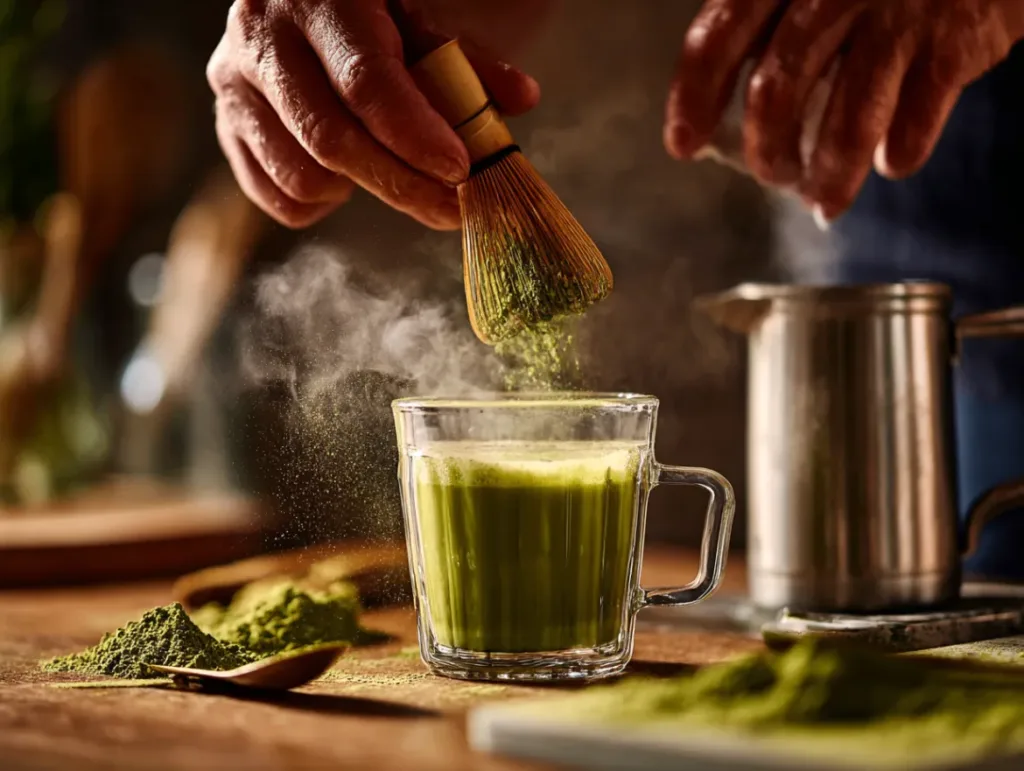
The foundation of every exceptional matcha latte starts with creating a smooth matcha green tea paste. I place the sifted matcha powder in my warmed cup and add just 2 tablespoons of the 165°F water. Using a small whisk or bamboo chasen, I create a paste using gentle circular motions, ensuring no lumps remain. This paste technique, borrowed from traditional Japanese tea preparation, prevents clumping when I add more liquid.
Once my paste is perfectly smooth, I gradually add another 2-3 tablespoons of hot water while whisking continuously. The goal is creating a concentrated matcha green tea base with a consistency slightly thicker than regular tea. This concentrated approach ensures your matcha flavor won’t be lost when combined with milk – a common problem in weak, watery lattes.
Milk steaming separates amateur from professional results. I pour cold milk into my steaming pitcher, filling it only one-third full to allow room for expansion. Whether using an espresso machine’s steam wand or a handheld frother, I create microfoam by keeping the steam tip just below the milk’s surface until it reaches 150°F. The milk should have a glossy, paint-like consistency with tiny, uniform bubbles.
Professional Pouring and Layering Techniques
The final assembly transforms your ingredients into a café-worthy matcha lattes. I start by gently swirling my steamed milk to integrate the microfoam, creating that silky texture that makes professional lattes so appealing. The key is maintaining the milk’s temperature and foam structure during this brief mixing phase.
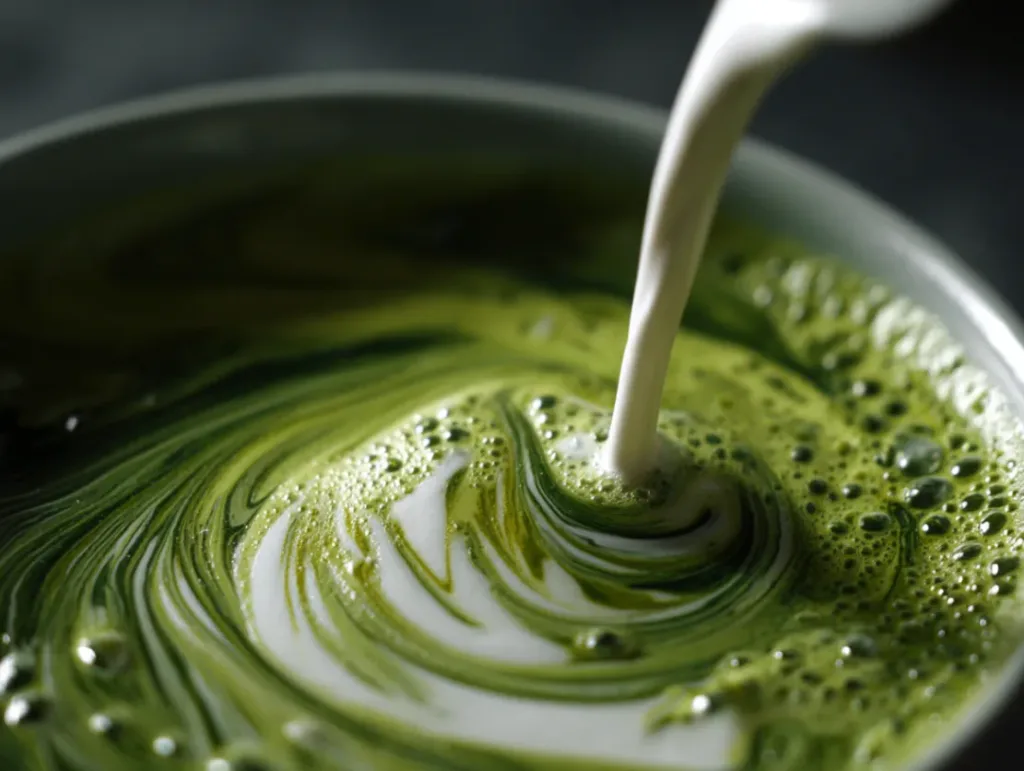
Pouring technique creates those beautiful layers that make matcha lattes so photogenic. I pour the steamed milk slowly and steadily into my matcha green tea base, starting from a height of about 3 inches to ensure proper mixing. As the cup fills, I bring the pitcher closer to the surface, allowing the remaining foam to float on top and create that signature creamy cap.
For advanced presentation, I’ve learned to create simple latte art by gently moving the milk pitcher as I finish pouring. A quick forward motion through the foam creates a heart shape, while back-and-forth movements can produce leaf patterns. These techniques take practice but add professional polish to your homemade matcha green tea lattes.
Troubleshooting Common Preparation Mistakes
Even experienced home baristas encounter challenges when perfecting their matcha lattes technique. Lumpy, gritty texture usually indicates insufficient sifting or inadequate paste preparation. I always re-sift my matcha green tea powder if it’s been stored for more than a week, and I never rush the paste-making process – smooth paste equals smooth latte.
Bitter or astringent flavors typically result from water that’s too hot or over-whisking the matcha green tea base. Unlike coffee, matcha is delicate and can become bitter quickly when exposed to boiling water or aggressive agitation. If your latte tastes harsh, try lowering your water temperature by 10-15 degrees and whisking more gently.
Weak matcha flavor in your finished latte suggests either insufficient matcha powder or milk that’s too hot, which can overwhelm delicate tea flavors. I increase my matcha green tea ratio before increasing temperature – usually 1.5-2 teaspoons provides the perfect balance with 6-8 ounces of steamed milk. Remember, you can always add more milk, but you can’t remove it once added.
Elevating Your Matcha Lattes Experience
Stunning Presentation and Service Ideas
Transforming your homemade matcha lattes into a café-worthy experience begins with thoughtful presentation. I serve my matcha green tea lattes in clear glass mugs when possible – they showcase the beautiful color gradient and allow you to appreciate the visual artistry of properly layered foam. The emerald green base contrasting with creamy white foam creates an almost jewel-like appearance that makes every sip feel special.
Temperature service matters enormously for optimal enjoyment. I’ve learned that matcha lattes taste best when served between 140-150°F – hot enough to release the aromatic compounds but not so hot that you can’t immediately enjoy them. Unlike coffee drinks that improve as they cool, matcha green tea lattes are at their peak flavor and texture when consumed promptly after preparation.
For special occasions, I dust the foam lightly with additional sifted matcha powder, creating visual contrast and an extra burst of flavor with each sip. A single fresh mint leaf or a small piece of white chocolate adds elegant finishing touches that transform your everyday matcha lattes into something celebration-worthy.
Perfect Pairings and Complementary Flavors
The subtle, complex flavors of matcha green tea lattes pair beautifully with a variety of foods, creating complete sensory experiences. Traditional Japanese sweets like dorayaki (pancake sandwiches) or taiyaki (fish-shaped pastries) complement the earthy, creamy notes without competing for attention. These pairings honor matcha’s cultural heritage while creating satisfying afternoon treats.
For Western palates, I’ve discovered that matcha lattes pair surprisingly well with buttery croissants, vanilla scones, or shortbread cookies. The richness of butter-based pastries balances matcha green tea’s natural grassiness, while vanilla notes enhance the drink’s inherent sweetness. Light, not-too-sweet accompaniments work best – you want to complement, not overwhelm, the delicate tea flavors.
Timing your matcha lattes consumption can maximize its benefits and enjoyment. I prefer serving them as afternoon pick-me-ups, when the L-theanine and caffeine combination provides calm alertness perfect for creative work or study sessions. The sustained energy boost from matcha green tea avoids the crashes associated with coffee, making it ideal for maintaining focus throughout the day.
Storage Solutions and Make-Ahead Tips
While matcha lattes are best enjoyed fresh, busy lifestyles sometimes require advance preparation strategies. I’ve developed techniques for preparing components ahead of time without sacrificing quality. The matcha green tea paste can be made up to 2 hours in advance and stored covered at room temperature – just whisk briefly before adding milk.
For meal prep enthusiasts, I create concentrated matcha green tea syrup by combining sifted powder with equal parts hot water and sweetener. This concentrate keeps refrigerated for up to one week and creates consistent lattes quickly – just add 2-3 tablespoons to steamed milk for instant gratification.
Leftover matcha lattes can be refrigerated for up to 24 hours, though they’ll lose their foam and require reheating. I gently warm refrigerated lattes in a saucepan over low heat, whisking continuously to restore smooth texture. While not identical to fresh preparation, this method produces acceptable results when you’ve made too much of this delicious drink.
Seasonal Variations and Creative Adaptations
Throughout the year, I adapt my basic matcha lattes to reflect seasonal flavors and celebrations. During autumn, I add a pinch of cinnamon and nutmeg, creating warm spice notes that complement matcha green tea’s earthiness. Winter versions might include vanilla extract or a touch of peppermint, transforming the drink into liquid comfort food.
Spring and summer call for lighter adaptations. Iced matcha lattes using cold milk and ice create refreshing warm-weather treats, while adding fresh fruit syrups like strawberry or peach creates unique flavor combinations. The key is maintaining matcha green tea as the primary flavor while allowing seasonal elements to enhance rather than mask its character.
For special dietary needs, I’ve perfected protein-rich versions using collagen powder or plant-based protein supplements. These additions create more substantial drinks perfect for post-workout recovery or meal replacement scenarios. The key is choosing unflavored or vanilla proteins that won’t compete with the matcha green tea’s delicate flavor profile.
 DINNER
 LUNCH
LUNCH Desserts
 BREAKFAST
For more amazing recipes, be sure to check out our other sections to explore a variety of ideas that will enrich your cooking experience. Each section offers its own unique flavors to ensure a delightful culinary journey:
Easy and Quick Recipes: A collection of dishes that guarantee delicious meals with minimal effort and time.
Healthy Recipes: Discover healthy and delicious options that fit your lifestyle.
Desserts: A diverse selection of sweets that will add a special touch of sweetness to your table.
Lunch Recipes: Tasty lunch ideas that you can easily prepare to delight your family.
Dinner Recipes: Delicious and easy-to-make recipes that will make your dinner a memorable occasion.
Frequently Asked Questions
Q: How much caffeine is in a matcha lattes compared to coffee drinks? A: A typical matcha lattes contains 25-70mg of caffeine depending on the amount of matcha green tea used, compared to 95-200mg in coffee lattes. However, matcha’s caffeine is released more slowly due to L-theanine, providing sustained energy for 3-6 hours without jitters or crashes, making it perfect for those sensitive to coffee’s intensity.
Q: Can I make matcha lattes with non-dairy milk alternatives? A: Absolutely! Oat milk creates the creamiest texture and naturally complements matcha green tea flavors. Coconut milk adds richness, while almond milk provides lighter consistency. Soy milk froths well but can slightly mask matcha’s delicate taste. Each alternative creates unique flavor profiles while maintaining the essential latte experience.
Q: Why does my homemade matcha lattes taste bitter or too grassy? A: Bitter matcha lattes usually result from water that’s too hot (over 175°F), low-quality matcha powder, or insufficient sweetener. Use water at 165°F, invest in premium-grade matcha green tea powder, and adjust sweetness to balance matcha’s natural earthiness. Also ensure you’re creating a smooth paste before adding milk.
Q: How do I create that beautiful foam layer like coffee shops? A: Professional foam comes from proper milk steaming technique. Heat milk to 150°F while creating microfoam by keeping the steam wand just below the surface. The milk should have a glossy, paint-like consistency. Pour slowly from height, then bring the pitcher close to create layered effects. Practice makes perfect!
Q: Can I prepare matcha lattes ingredients in advance? A: Yes, with some modifications. Sifted matcha green tea powder keeps fresh for days in airtight containers. You can prepare matcha paste up to 2 hours ahead, or make concentrated matcha syrup that lasts a week refrigerated. However, steamed milk should be used immediately for best texture and temperature.
Start Your Matcha Lattes Journey Today
Creating the perfect matcha lattes at home is more than just following a recipe – it’s about embracing a mindful practice that brings café-quality luxury to your daily routine. Every time I prepare these creamy, dreamy drinks, I’m transported back to that first magical sip and reminded of how simple ingredients can create extraordinary experiences when treated with care and attention.
Don’t be discouraged if your first attempts aren’t perfect replicas of your favorite coffee shop versions. Like any worthwhile skill, mastering the art of matcha green tea lattes takes practice, patience, and experimentation. Start with quality ingredients, follow the techniques I’ve shared, and most importantly, enjoy the process of discovery. Each latte you create will be better than the last as you develop your personal touch and preferences.
I encourage you to make this family favorite recipe your own by experimenting with different sweeteners, milk alternatives, and seasonal variations. Share your creations with friends and family – there’s something special about introducing others to the wonderful world of matcha green tea that creates lasting memories and new traditions.
Whether you’re seeking a healthier alternative to coffee drinks, exploring Japanese culinary culture, or simply craving something deliciously different, this matcha lattes recipe offers the perfect introduction to one of the world’s most beloved beverages. Grab your whisk, fire up that milk steamer, and prepare to fall in love with the creamy, dreamy world of homemade matcha lattes. Your taste buds – and your morning routine – will thank you!