Table of Contents
Table of Contents
Let me tell you about those evenings when the clock strikes 6 PM, and you’re staring into your refrigerator with the energy of a deflated balloon. We’ve all been there – that moment when cooking feels like climbing Mount Everest in flip-flops. That’s exactly how I felt three years ago when I was juggling a demanding job, evening classes, and trying to maintain some semblance of a social life. The takeout bills were mounting, and I knew I needed a better solution.
That’s when I discovered the magic of lazy dinners – those wonderfully simple, incredibly satisfying meals that require minimal effort but deliver maximum flavor. These aren’t just thrown-together combinations; they’re thoughtfully easy recipes that respect both your time and your taste buds. As someone who’s spent countless evenings perfecting the art of effortless cooking, I can honestly say that these lazy dinners have transformed my relationship with weeknight cooking.
The beauty of lazy dinners lies not in their complexity, but in their simplicity. They’re the kind of easy homemade recipes that make you feel accomplished without leaving you exhausted. Whether you’re a college student, a busy parent, or someone who simply values efficiency in the kitchen, these family favorite recipes will become your go-to solutions for those “I don’t want to cook but I need to eat” moments.
10 Easy Lazy Dinners You Can Make in 30 Minutes or Less
Ingredients
Nutrition
Tried this recipe?
Let us know how it was!Essential Ingredients for Effortless Lazy Dinners
The Foundation: Pantry Staples That Never Let You Down
When it comes to creating spectacular lazy dinners, your pantry is your best friend. I’ve learned that keeping certain ingredients on hand transforms even the most basic meal into something special. Rice, pasta, and quinoa form the carbohydrate foundation of countless lazy dinners. These versatile grains can be dressed up or down depending on what else you have available.
Canned goods are absolute lifesavers for lazy dinners. High-quality canned tomatoes, coconut milk, and beans provide instant flavor and substance. I always keep several cans of chickpeas, black beans, and white beans in my pantry because they add protein and fiber to any dish in minutes. Frozen vegetables are another secret weapon – they’re often more nutritious than fresh vegetables that have been sitting in your refrigerator for a week, and they require zero prep time.
Don’t underestimate the power of good condiments and seasonings. Soy sauce, hot sauce, olive oil, garlic powder, and dried herbs can transform the most basic ingredients into delicious dishes. I’ve created incredible lazy dinners using nothing more than pasta, olive oil, garlic powder, and red pepper flakes. Sometimes the simplest combinations yield the most satisfying results.
Smart Shopping: Quality Ingredients That Save Time
The key to successful lazy dinners is shopping smart, not hard. I’ve found that investing in slightly higher-quality ingredients upfront actually saves time and improves flavor significantly. Pre-washed salad greens, pre-cut vegetables, and rotisserie chicken might cost a bit more, but they’re worth every penny when you’re trying to create easy homemade recipes quickly.
Protein sources that cook quickly are essential for lazy dinners. Eggs, thin-cut chicken breasts, ground turkey, shrimp, and fish fillets all cook in under fifteen minutes. I often buy ground meat in bulk and freeze it in portion-sized bags, so I can thaw exactly what I need for dinner. This strategy has saved me countless times when creating spontaneous lazy dinners.
Fresh herbs can elevate even the simplest lazy dinners, but they can be expensive and go bad quickly. I’ve started growing a small herb garden on my windowsill with basil, parsley, and chives. Having fresh herbs readily available means I can add restaurant-quality flavor to my delicious dishes without the restaurant price tag.
Substitutions and Alternatives: Flexibility is Key
The beauty of lazy dinners is their adaptability. Almost every recipe can be modified based on what you have available. Don’t have chicken? Use turkey, pork, or even tofu. Out of rice? Try pasta, quinoa, or even cauliflower rice for a low-carb alternative. This flexibility is what makes lazy dinners so practical for everyday cooking.
Dietary restrictions don’t have to complicate lazy dinners. Gluten-free pasta, dairy-free milk alternatives, and plant-based proteins can easily be substituted into most recipes. I’ve found that many lazy dinners are naturally adaptable to different dietary needs with minimal adjustments. The key is understanding flavor profiles and basic cooking techniques rather than following recipes rigidly.
Seasonal substitutions can keep your lazy dinners interesting year-round. Summer vegetables like zucchini and tomatoes work beautifully in pasta dishes, while winter vegetables like sweet potatoes and Brussels sprouts are perfect for sheet pan meals. This approach not only keeps meals exciting but also helps you take advantage of seasonal pricing at the grocery store.
Quick Preparation Methods for Maximum Efficiency
Initial Prep: Setting Yourself Up for Success
The secret to truly effortless lazy dinners lies in smart preparation techniques that minimize both active cooking time and cleanup. I’ve discovered that spending just five minutes organizing my workspace and ingredients can cut cooking time in half. Start by gathering all your ingredients before you begin cooking – this French technique called “mise en place” is a game-changer for lazy dinners.
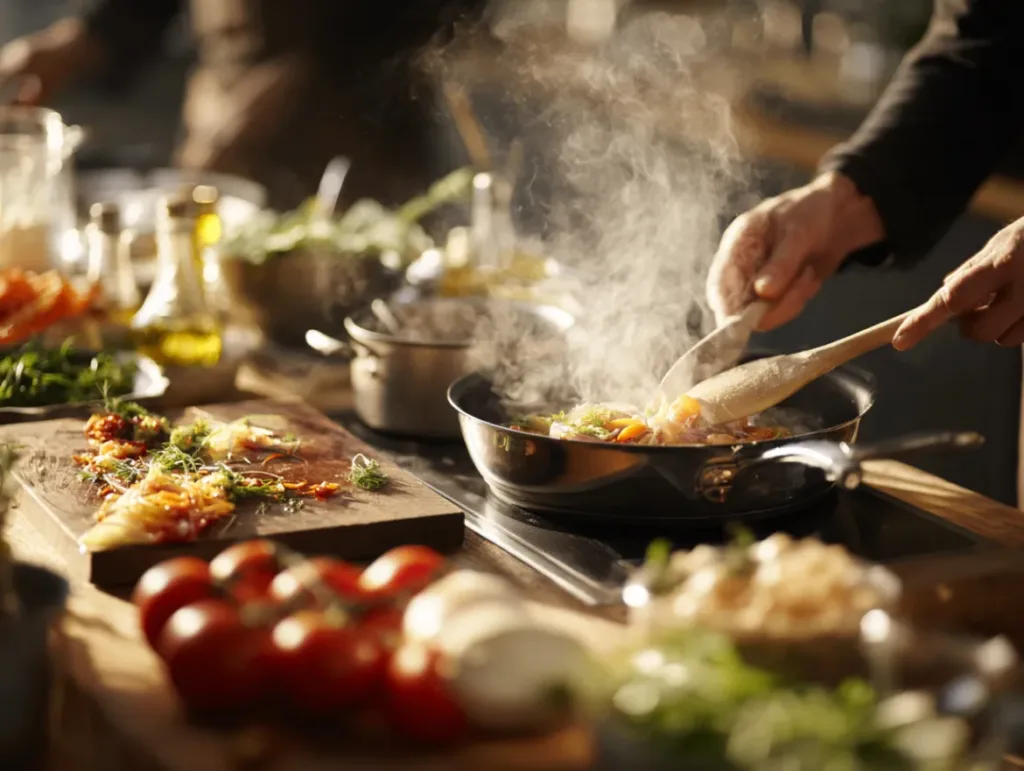
One-pot and sheet-pan cooking methods are the backbone of successful lazy dinners. These techniques mean minimal cleanup while maximizing flavor development. I love throwing vegetables, protein, and seasonings onto a single sheet pan and letting the oven do all the work. Similarly, one-pot pasta dishes, stir-fries, and skillet meals create delicious dishes with just one dirty pan.
Batch cooking certain components can make future lazy dinners even easier. I often cook a big batch of rice or quinoa on Sunday and use it throughout the week in different preparations. Pre-chopped vegetables stored in the refrigerator can be thrown into any dish for instant nutrition and color. These small preparation steps compound over time, making weeknight lazy dinners practically effortless.
Step-by-Step Cooking Strategies with Professional Tips
Timing is everything when creating lazy dinners in 30 minutes or less. I start with components that take the longest to cook – usually proteins or grains – and then add quicker-cooking ingredients in stages. This layered approach ensures everything finishes cooking simultaneously without overcooking delicate ingredients.
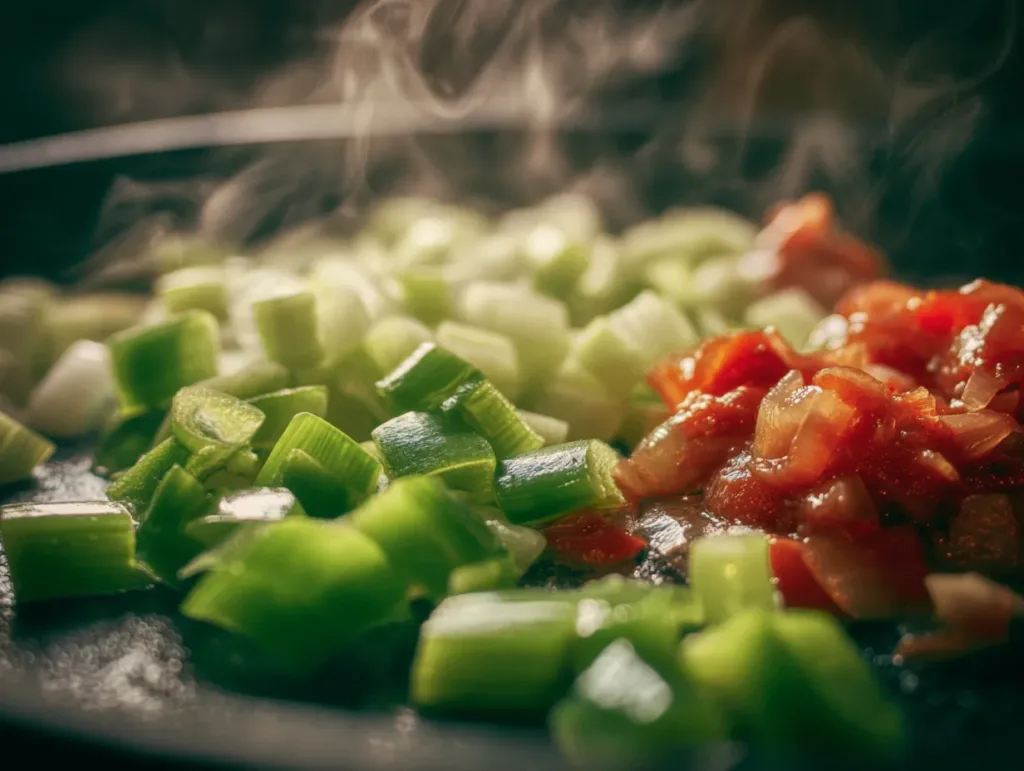
Heat management is crucial for efficient lazy dinners. Using high heat for searing proteins creates wonderful flavor in minimal time, while medium heat works better for vegetables that need to cook through without burning. I’ve learned that many lazy dinners benefit from this two-temperature approach: high heat for flavor development, then lower heat for gentle finishing.
Seasoning as you go, rather than just at the end, builds complex flavors even in quick lazy dinners. Salt draws out moisture from vegetables and helps them cook faster, while adding herbs and spices at different stages creates layers of flavor. This technique transforms simple ingredients into restaurant-quality delicious dishes without additional cooking time.
Avoiding Common Pitfalls in Quick Cooking
The biggest mistake I see people make with lazy dinners is overcrowding the pan. When vegetables or proteins are crowded together, they steam rather than brown, resulting in mushy textures and bland flavors. Using a larger pan or cooking in batches might seem like more work, but it actually creates better results in the same amount of time.
Overcooking is another common issue with quick lazy dinners. Pasta that’s mushy, vegetables that are gray, and proteins that are tough all result from cooking too long or at too high a temperature. I use a timer religiously and taste frequently to ensure everything is cooked properly. Remember, you can always cook something more, but you can’t uncook it.
Not tasting and adjusting seasoning is perhaps the most fixable mistake in lazy dinners. Many people are afraid to add salt, acid, or heat to their dishes, but these elements are what transform good ingredients into great meals. I always keep lemon juice, vinegar, or hot sauce nearby to brighten and balance flavors in my easy homemade recipes.
Creative Serving Ideas and Perfect Pairings
Presentation Techniques That Impress
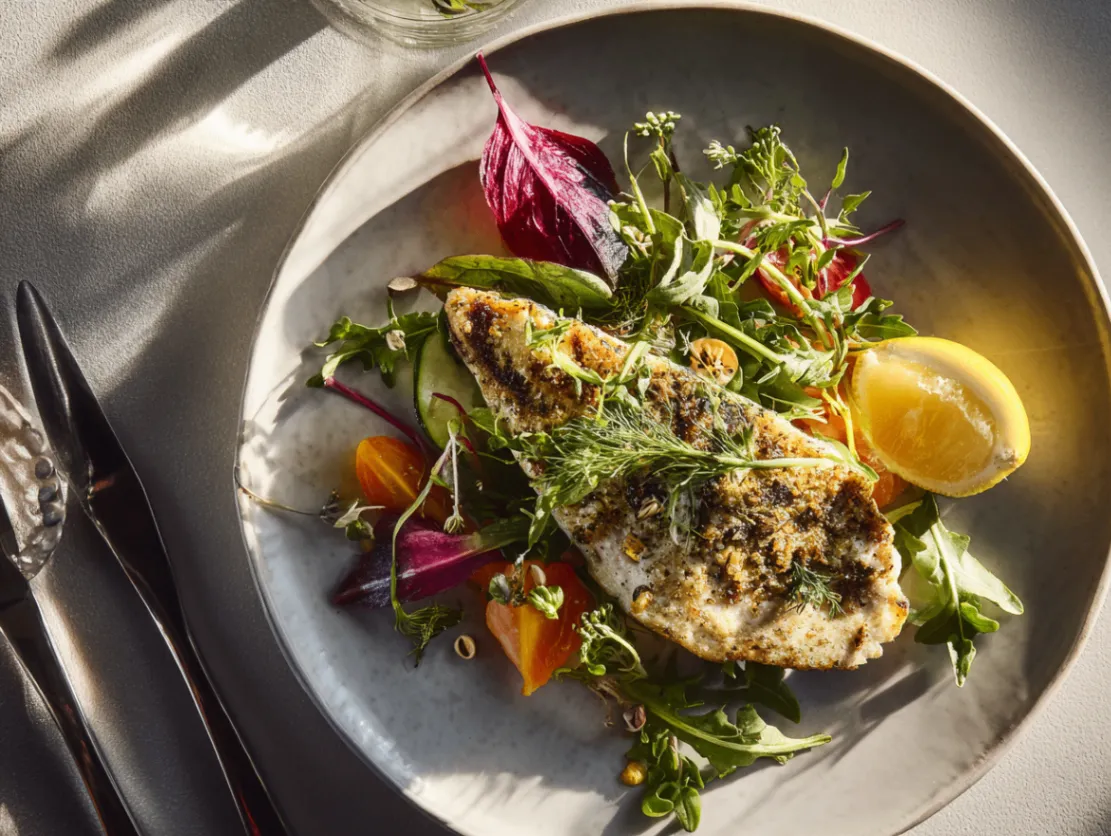
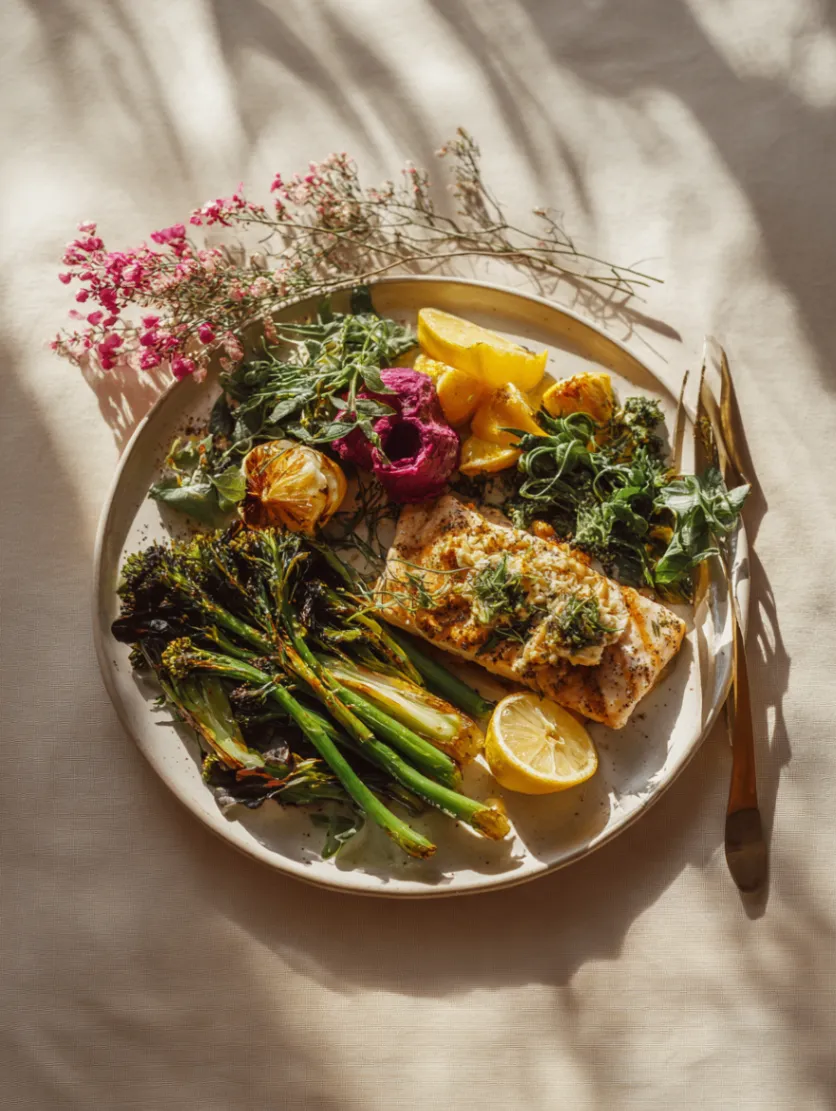
Even lazy dinners can look restaurant-worthy with a few simple presentation tricks. I’ve learned that the plate you choose matters – white plates make colorful ingredients pop, while dark plates create elegant contrast. Simply arranging ingredients thoughtfully rather than dumping them on the plate elevates the entire dining experience.
Garnishing lazy dinners doesn’t require complicated techniques. Fresh herbs, a drizzle of good olive oil, or a sprinkle of cheese can transform the visual appeal of any dish. I keep a few go-to garnishes on hand: chopped parsley, red pepper flakes, and grated Parmesan cheese work on almost any lazy dinner. These small touches make the meal feel intentional rather than thrown together.
Color contrast makes lazy dinners more appealing and often more nutritious. I try to include at least three different colors in every meal – it’s easier than you might think. Red tomatoes, green vegetables, and golden grains create beautiful plates that are as nourishing as they are attractive. This approach has made my family favorite recipes even more enjoyable to eat.
Complementary Side Dishes and Flavor Pairings
The right side dish can transform a simple lazy dinner into a complete, satisfying meal. I’ve found that simple sides often work best – they shouldn’t compete with the main dish for attention. A basic green salad, steamed vegetables, or crusty bread can round out most lazy dinners perfectly.
Textural contrast adds interest to lazy dinners without additional cooking time. Serving something creamy with something crunchy, or something soft with something crispy, creates a more satisfying eating experience. This might mean adding toasted nuts to a pasta dish or serving crispy vegetables alongside a smooth soup.
Wine pairings might seem too fancy for lazy dinners, but I’ve discovered that the right beverage can elevate even the simplest meal. Light, crisp white wines complement most chicken and seafood dishes, while medium-bodied red wines work well with pasta and meat-based lazy dinners. Even sparkling water with lemon can make a casual meal feel more special.
Storage Solutions and Reheating Mastery
Proper storage techniques ensure that lazy dinners taste great as leftovers too. I always let cooked food cool completely before refrigerating and store components separately when possible. Rice stays fluffy, vegetables maintain their texture, and proteins don’t dry out when stored properly.
Reheating lazy dinners requires different techniques depending on the original cooking method. Oven-roasted dishes often reheat best in the oven, while skillet meals can be refreshed in a pan with a splash of water or broth. I avoid microwaving when possible, as it often creates uneven heating and can make textures unappealingly soft.
Many lazy dinners actually improve overnight as flavors meld and develop. Pasta salads, grain bowls, and sauce-based dishes often taste better the next day. This characteristic makes lazy dinners perfect for meal prep – cook once, enjoy multiple times with minimal additional effort.
10 Quick and Delicious Lazy Dinner Recipes
Recipe 1: One-Pan Lemon Garlic Chicken with Vegetables
Tender chicken thighs roasted with seasonal vegetables in a bright lemon-garlic sauce. Everything cooks on one sheet pan in just 25 minutes.
Ingredients: Chicken thighs, baby potatoes, green beans, olive oil, garlic, lemon, herbs Time: 25 minutes Why it’s perfect: Minimal cleanup, balanced nutrition, and the lemon keeps everything bright and fresh.
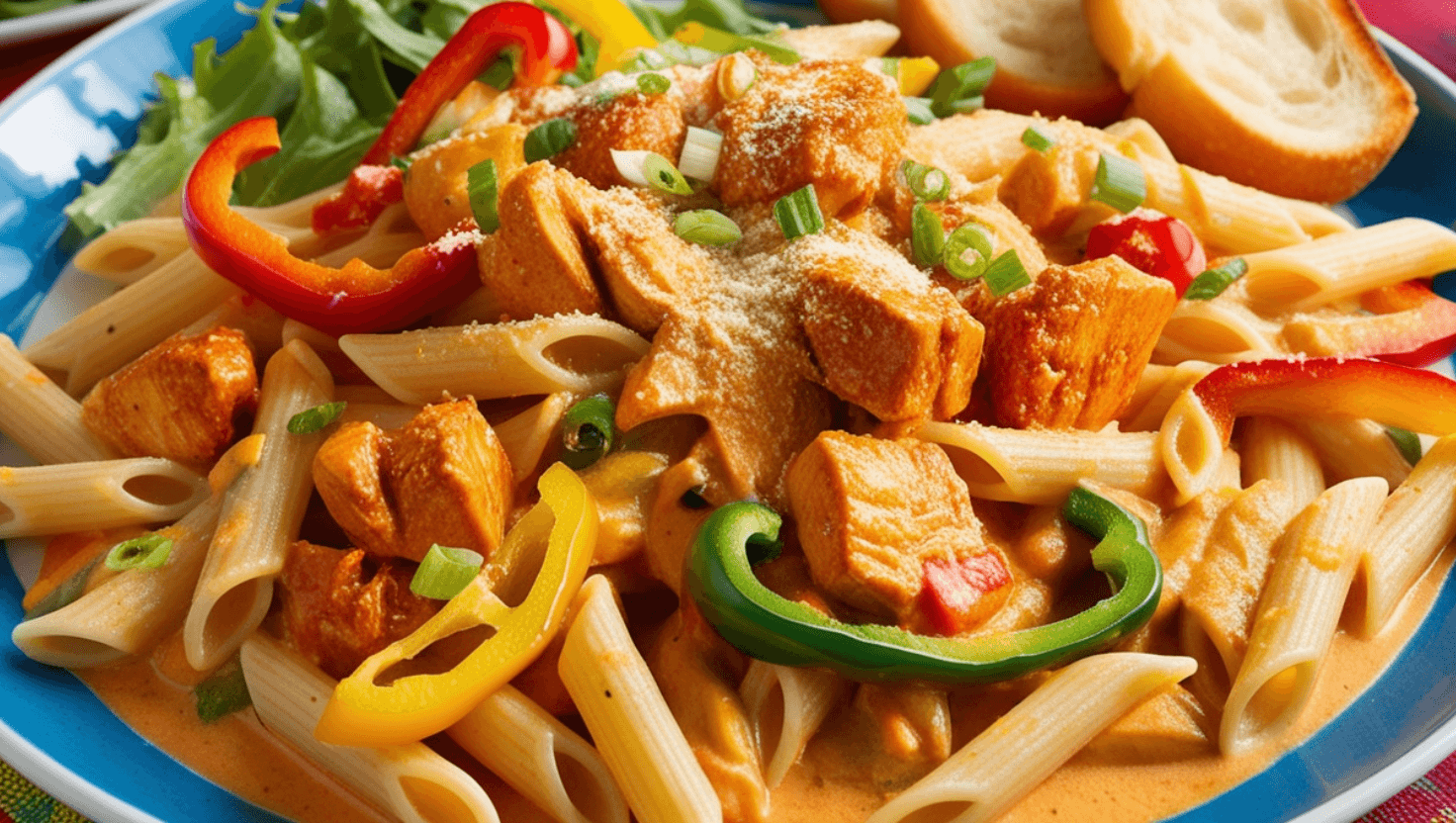
Recipe 2: Creamy Tuscan Pasta
Rich, restaurant-style pasta with sun-dried tomatoes, spinach, and a creamy sauce that comes together in one pot.
Ingredients: Pasta, heavy cream, sun-dried tomatoes, spinach, garlic, Parmesan cheese Time: 20 minutes Why it’s perfect: Feels indulgent but uses simple pantry ingredients.
Recipe 3: Asian-Inspired Rice Bowls
Customizable bowls with rice, quick-pickled vegetables, and your choice of protein with a savory-sweet sauce.
Ingredients: Cooked rice, vegetables, protein of choice, soy sauce, rice vinegar, sesame oil Time: 15 minutes (using leftover rice) Why it’s perfect: Infinitely adaptable and uses whatever you have on hand.
Recipe 4: Mediterranean Chickpea Skillet
Hearty one-pan meal with chickpeas, tomatoes, and Mediterranean flavors that’s both vegetarian and filling.
Ingredients: Chickpeas, canned tomatoes, olives, feta cheese, herbs, olive oil Time: 18 minutes Why it’s perfect: Plant-based protein that doesn’t feel like you’re missing anything.
Recipe 5: Breakfast for Dinner Scramble
Fluffy scrambled eggs with vegetables and cheese, served with toast or tortillas for a comforting dinner.
Ingredients: Eggs, vegetables, cheese, herbs, butter or oil Time: 12 minutes Why it’s perfect: Breakfast foods are naturally quick and comforting.
Recipe 6: Quick Fish Tacos
Flaky white fish with simple slaw and avocado in soft tortillas with a creamy lime sauce.
Ingredients: White fish fillets, cabbage, avocado, tortillas, lime, mayonnaise Time: 15 minutes Why it’s perfect: Light, fresh, and feels like a special treat.
Recipe 7: Loaded Sweet Potato
Baked sweet potatoes topped with black beans, vegetables, and a dollop of Greek yogurt for a complete meal.
Ingredients: Sweet potatoes, black beans, corn, peppers, Greek yogurt, spices Time: 30 minutes (including baking time) Why it’s perfect: Nutritious, filling, and naturally sweet.
Recipe 8: Pantry Pasta Puttanesca
Bold, flavorful pasta using pantry staples like olives, capers, and canned tomatoes for maximum impact.
Ingredients: Pasta, canned tomatoes, olives, capers, garlic, anchovy paste (optional) Time: 20 minutes Why it’s perfect: Intense flavors from shelf-stable ingredients.
Recipe 9: Quick Fried Rice
Transform leftover rice into a satisfying meal with vegetables, eggs, and savory seasonings.
Ingredients: Cooked rice, eggs, mixed vegetables, soy sauce, sesame oil, garlic Time: 10 minutes Why it’s perfect: Uses leftovers and comes together incredibly fast.
Recipe 10: Turkey and Vegetable Chili
Hearty, warming chili that simmers while you relax, using ground turkey and canned ingredients for simplicity.
Ingredients: Ground turkey, canned tomatoes, beans, vegetables, chili seasonings Time: 25 minutes Why it’s perfect: One-pot comfort food that’s both healthy and satisfying.
 DINNER
 LUNCH
LUNCH Desserts
 BREAKFAST
For more amazing recipes, be sure to check out our other sections to explore a variety of ideas that will enrich your cooking experience. Each section offers its own unique flavors to ensure a delightful culinary journey:
Easy and Quick Recipes: A collection of dishes that guarantee delicious meals with minimal effort and time.
Healthy Recipes: Discover healthy and delicious options that fit your lifestyle.
Desserts: A diverse selection of sweets that will add a special touch of sweetness to your table.
Lunch Recipes: Tasty lunch ideas that you can easily prepare to delight your family.
Dinner Recipes: Delicious and easy-to-make recipes that will make your dinner a memorable occasion.
Frequently Asked Questions About Lazy Dinners
Can I meal prep these lazy dinner recipes?
Absolutely! Most lazy dinners are perfect for meal prep because they’re designed to be simple and practical. I recommend preparing components separately when possible – cook grains, chop vegetables, and prepare proteins ahead of time. Store everything in the refrigerator and combine when you’re ready to eat. Some dishes like chili, pasta salads, and grain bowls actually improve in flavor when made ahead. The key is understanding which components store well together and which should be kept separate until serving.
What’s the best way to modify these recipes for dietary restrictions?
The beauty of lazy dinners is their adaptability to different dietary needs. For gluten-free versions, substitute pasta with rice noodles or zucchini noodles, and use tamari instead of soy sauce. Dairy-free modifications are usually as simple as using coconut milk instead of cream and nutritional yeast instead of cheese. For vegetarian or vegan versions, replace meat with beans, lentils, or tofu. The key is understanding the role each ingredient plays in the dish so you can make appropriate substitutions while maintaining the overall flavor profile.
How do I prevent these quick meals from becoming boring?
Variety is the spice of life, especially with lazy dinners! I rotate through different cuisines – Mediterranean one night, Asian-inspired the next, then maybe Mexican flavors. Changing up your seasoning blends, sauces, and vegetables keeps the same base recipes feeling fresh and exciting. I also encourage experimenting with different cooking methods: try roasting vegetables instead of sautéing them, or serving the same protein over different grains. Keep a list of successful combinations and variations so you can reference them when you’re feeling uninspired.
What kitchen tools make lazy dinners even easier?
While lazy dinners are designed to work with basic kitchen equipment, a few key tools can make the process even more efficient. A large, heavy-bottomed skillet is invaluable for one-pan meals and provides even heat distribution. Sheet pans are essential for roasted dishes and easy cleanup. A good knife and cutting board make prep work faster and safer. I also love my rice cooker for hands-off grain preparation and my immersion blender for quick sauces and soups. However, don’t feel like you need special equipment – these recipes work with whatever you have available.
How can I make sure my lazy dinners are nutritionally balanced?
Creating nutritionally balanced lazy dinners is easier than you might think. I follow a simple formula: include a protein source, a complex carbohydrate, and at least one vegetable in every meal. This ensures you’re getting a good balance of macronutrients and essential vitamins. Don’t overthink it – adding a handful of spinach to pasta, serving vegetables alongside your protein, or including beans in your rice dish all contribute to better nutrition. The key is making these additions feel natural and delicious rather than forced or medicinal.
Embrace the Art of Effortless Cooking
The journey to mastering lazy dinners isn’t about becoming a gourmet chef – it’s about developing the confidence and skills to create satisfying meals without stress or complexity. These easy homemade recipes prove that delicious dishes don’t require hours in the kitchen or complicated techniques. They’re about working smarter, not harder, and recognizing that sometimes the simplest approach yields the most satisfying results.
I encourage you to start with one or two of these lazy dinner concepts and make them your own. Don’t worry about following recipes exactly – use them as inspiration and adapt them based on your preferences, dietary needs, and whatever ingredients you have available. The goal is to develop a repertoire of go-to meals that you can prepare confidently and enjoyably, even on your most exhausted evenings.
Remember, the best lazy dinners are the ones that bring you joy without adding stress to your day. They should nourish your body, satisfy your taste buds, and leave you feeling accomplished rather than overwhelmed. Whether you’re cooking for one or feeding a family, these strategies and recipes will help you create memorable meals with minimal effort.
I’d love to hear about your own lazy dinner adventures! Share your favorite combinations, successful substitutions, and creative adaptations. After all, the best family favorite recipes are the ones that bring people together around the table, regardless of how simple they were to prepare.